CT Minimum Wage Tied for 10th Highest in USA
/Connecticut's state minimum wage rate is $10.10 per hour, greater than the federal minimum wage of $7.25 but not nearly the highest in the nation. The top five states are District of Columbia: $12.50 per hour; Washington: $11.50 per hour; California: $11.00 per hour; Massachusetts: $11.00 per hour and Oregon: $10.75 per hour, according to U.S. Department of Labor data analyzed by the website howmuch.com. Arizona and Vermont are just behind the leaders at $10.50, followed by New York at $10.40 and Colorado at $10.20. Maryland, Hawaii and Rhode Island join Connecticut at $10.10 in a four-way tie.
The Connecticut minimum wage was last changed in 2008, when it was raised $2.45 from $7.65 to $10.10. A proposal considered by the Connecticut legislature in 2018 – but not approved - would have raised the state minimum hourly wage from $10.10 to $12 on Jan. 1, 2019; from $12 to $13.50 on Jan. 1, 2020; and from $13.50 to $15 on Jan. 1, 2021. After reaching $15 in 2022, it would have indexed any future increases to annual increases in the consumer price index. A similar proposal is expected to be considered when the legislature next convenes in January.
The federal minimum wage is $7.25 an hour, a rate used by 20 states. That includes five states – Alabama, Louisiana, Mississippi, South Carolina and Tennessee – that have no state minimum wage laws and therefore the federal minimum wage is the default. And two states – Georgia and Wyoming – have minimum wages below the federal level, so the federal minimum is in effect. 
The Massachusetts minimum wage will rise to $15 an hour over five years under legislation approved earlier this year, becoming the third state – after California (effective 2022) and New York – to approve legislation putting the state on a path to a $15 minimum wage in the years ahead. In New York, the current rate of $10.40 will increase incrementally in the coming years, to $12.50 as of January 1, 2020. Thereafter, it will be adjusted annually for inflation until it reaches $15.00.
Delaware enacted a two-step increase in 2018. The rate rises from $8.25 to $8.75 effective January 1, 2019, and will increase again to $9.25 effective October 1, 2019.
Eighteen states began 2018 with higher minimum wages than the previous year, according to the National Conference of State Legislatures. Eight states (Alaska, Florida, Minnesota, Missouri, Montana, New Jersey, Ohio, and South Dakota) automatically increased their rates based on the cost of living, while eleven states (Arizona, California, Colorado, Hawaii, Maine, Michigan, New York, Rhode Island, Vermont and Washington) increased their rates due to previously approved legislation or ballot initiatives.
Seattle, Washington’s largest city and half of the state’s population, has moved toward a local minimum wage of $15 per hour, based on a city law passed in 2014 that incrementally increased the local minimum over several years.
 e the community a better place.”

 That shift of political influence has ramification across the electoral system, and was the impetus for a lawsuit filed this summer against the state of Connecticut by the NAACP to force an end to the practice. It is the first of its kind, and being widely watched.

 American Innovation $1 coins, to be issued at a rate of four new coins per year, will bear a reverse image or images emblematic of a significant innovation, an innovator, or a group of innovators from each of the 50 states, the District of Columbia, and the territories of the United States. Published reports indicate that the $1 coins would sell for more than face value — up to $1.32 — providing a healthy profit for the federal government since the coins cost less than 35 cents to make.

 Her work at C-CHANGE is designed to accelerate and strengthen public education on climate change and pollution issues, bringing the science down to the individual level, highlighting the impacts on people, rather than the planet.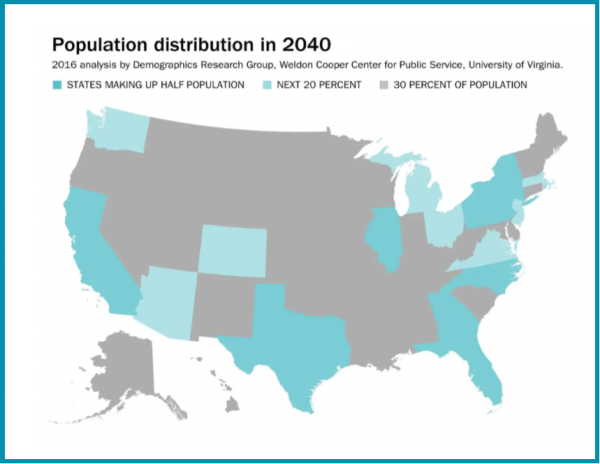

 Using a dataset on the compactness of U.S. House districts—with multiple measures generated by geographic information system (GIS) analyses over two redistricting cycles, UConn Associate Professor Jeffrey Ladewig estimated the effects of congressional district compactness on electoral turnout. The conclusion: compactness matters. The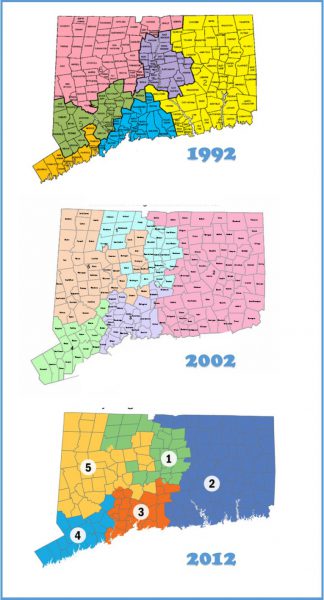
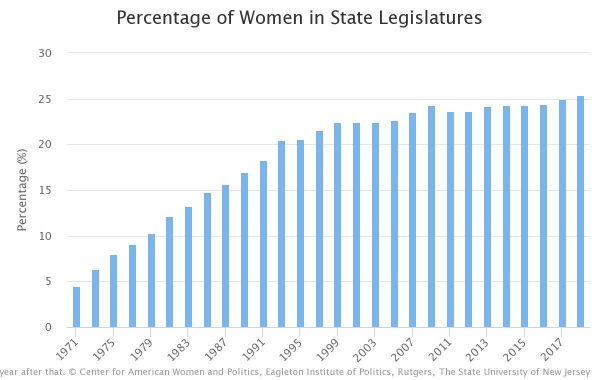
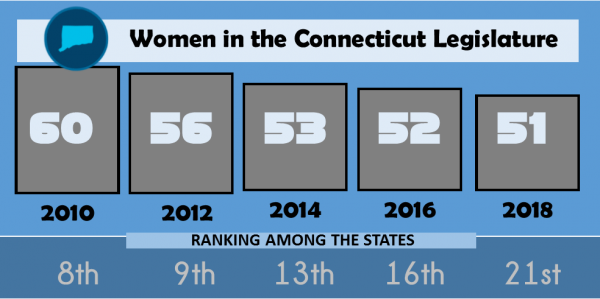 The 2018 election year has been widely declared the year of the woman in politics, a reaction to the MeToo movement and related issues that have risen to the top of many political agendas. It appears that Connecticut ballots may have a record number of women candidates in November, depending upon the outcome of the August 14 primaries in some legislative districts.
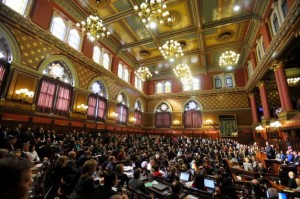 Leading the nation were Arizona (40%), Vermont (40%), Nevada (38.1%), Colorado (38%), Washington (37.4%), and Illinois (35.6%). Women make up 25.4 percent of all state legislators