New Area Codes Becoming More Prevalent in Connecticut; 475 and 959 Grow in Usage
/Do the numbers 475 and 959 sound familiar? If they don’t yet, they likely will in the relatively near future. There was a time, long ago but not far away, when residents in the entire state of Connecticut shared one Numbering Plan Area, better known as an area code. All across Connecticut, it was 203. Then, after about 50 years, it became more complicated.
First, with advances in technology and the exponential growth of communications devices, the state was split into two area codes in 1995, with Fairfield and New Haven counties retaining 203, and the other six counties shifting to the new 860. 
But that quickly proved to be insufficient. Within the past decade, two “overlay” area codes were added. Beginning in December 2009, residents or businesses in the 203 area code could be assigned a 475 area code. And telephone customers in the 860 area could be assigned the 959 area codes as of August, 2014.
Commonly known as an area code, an NPA is the first three digits of a 10-digit North American phone number. In areas that have run out of phone numbers and a new area code has been introduced, some – including Connecticut - have chosen to overlay the new area code over the same area as the old one, instead of splitting the area in half. This avoids anyone having to change area codes, but does require that everyone in that region dial all ten digits for each call.
According to the North American Numbering Plan Administration (NANPA), which has jurisdiction for assigning area codes (Numbering Plan Areas) in Connecticut and beyond, as of June 30, 2017 telephone carriers reported approximately 57,000 numbers have been assigned using the 959 area codes, and nearly ten times that number, 523,000, have been assigned the 475 area code in Fairfield and New Haven counties. The numbers are assigned to carriers, who then dole them out to customers. 
One of them is the Odyssey Early Learning and Enrichment Program in Norwalk, assigned a 475 number. The New Haven Public Schools Office of Choice & Enrollment also was provided a 475 number, in the midst of all the 203’s across the city. In Bridgeport, St. Vincent’s Medical Center Federal Credit Union has introduced customers to their 475 area code phone number. The Hartford Correction Center began using a 959 area codes in January, and the UConn School of Social Work received a 959 number when they relocated to Hartford this year.
So, don’t be surprised if a new neighbor or a local businesses shares a phone number with an unfamiliar prefix. It’s the wave of the future, and it’s here now.
It is still possible for the “old” 203 and 860 prefixes to be assigned to new customers by the carriers. NANPA reports that there remain 200 blocks of one thousand numbers that may still be provided to various carriers for them to assign to customers.
Of course as reliance on land lines continues to diminish and people tend to keep their cellular phone numbers as the relocate across the country, the connection between where a person lives and the telephone area code becomes less meaningful. But for land lines in Connecticut what was once one area code is now four. At least for the immediate future.

 Food and beverage companies often target marketing for nutrient-poor products such as candy, sugary drinks, snack foods, and fast-food restaurants to Hispanic audiences, including youth, the researchers state. They cite previous research that has documented disproportionate exposure to unhealthy food marketing by Hispanic youth in their communities and on TV, but theirs is the first examination of the phenomenon on the internet.
 g vulnerable populations,” according to the publication’s website, “with the goal of providing optimal outcomes and ultimately health equity for all.” The journal intends to provide coverage ranging from translational research to prevention, diagnosis, treatment, and management of disease and illness, in order to serve as a primary resource for organizations and individuals who serve these populations at the community, state, regional, tribal, and national levels.

 Memo of Understanding to get have 150,000 EVs on Connecticut roads by 2025.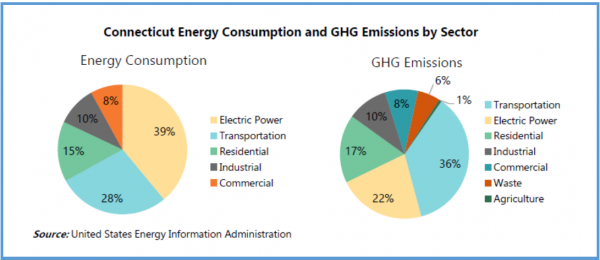
 The company - FreshBev LLC - produces two primary lines of beverages - RIPE Craft Juice and RIPE Craft Bar Juices, bringing real fresh juice to the market, and connecting local farmers to consumers by using only ingredients that could be traced back to the grower and region.
 The results are making local history, and spreading. RIPE Craft Juices are available nationally through Whole Foods and select regional grocery chains.
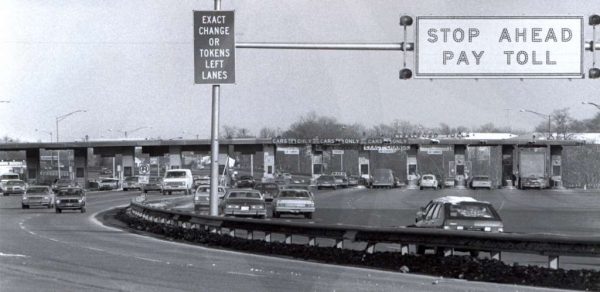
 “Despite growing private-sector demand, it appears that construction employment in some parts of the country is being brought down by declining public-sector investments,” said Ken Simonson, chief economist for the association. “Some of these declines will be offset thanks to recently enacted state infrastructure funding increases, but stagnant federal investments are not helping.”
 e of new construction jobs during the past year, followed by Nevada (12.8 percent, 9,700 jobs).
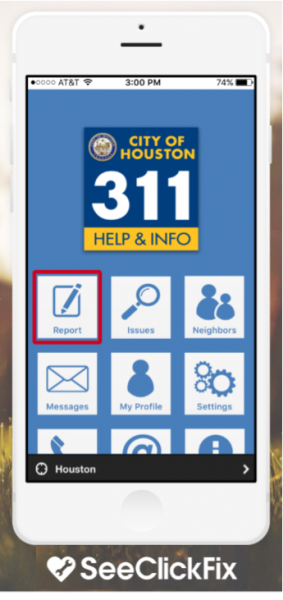 broken meters and streetlights, potholes, and even excessive noise from ice-cream trucks). Officials can track, manage and reply within the app. It has since expanded to some 300 municipalities across the country.”
 Hurricane Harvey, the efforts with Houston instantly intensified. Berkowitz said SeeClickFix has worked with the city of Houston and several of its neighboring suburbs since 2009, handling an estimated 30,000 residents. Those numbers will likely jump when the totals for 2017 are tallied. Berkowitz told CTNewsJunkie that will be especially true in the coming weeks as operations shift from emergency calls handled by police and other emergency personnel to calls that are SeeClickFix specialties, such as power outages, downed trees and other types of “more routine” assistance.
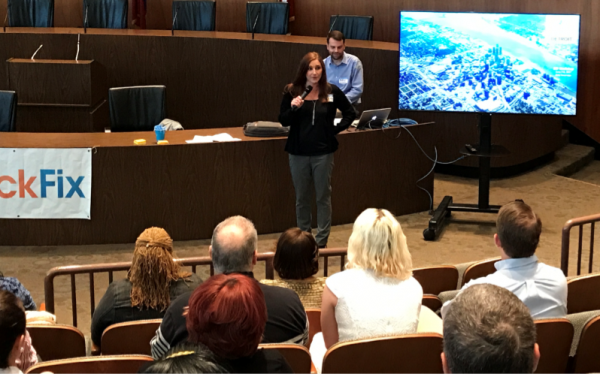 The company’s website continues to proudly boast “Made in New Haven” and Berkowitz’ company profile explains “The inspiration for SeeClickFix came from a desire to improve his own community with his neighbors and his government.”
 from the top down” as the publication highlights “some of the most promising projects, initiatives, and companies that are springing up in every state of the union. Together, they present a portrait of the country today—its concerns and responses, and its enduring capacity for progress.”


 Attracting hundreds of women in manufacturing from across the country, WiM's annual Summit is the only national conference of its kind. This networking and educational event features manufacturing plant tours, professional development tracks, industry roundtables, keynote presentations and social events to expand participants' networks.
 any, TRUMPF Inc., and Pratt & Whitney, all on the opening day of the conference on September 13.
 Engineers, and George Saiz, President & CEO of The Association for Manufacturing Excellence.
 Among the host committee members is the Connecticut Business and Industry Association. The New Haven Manufacturers Association and the Waterbury Regional Chamber’s Manufacturer’s Council are among the Supporting Partners for the Summit.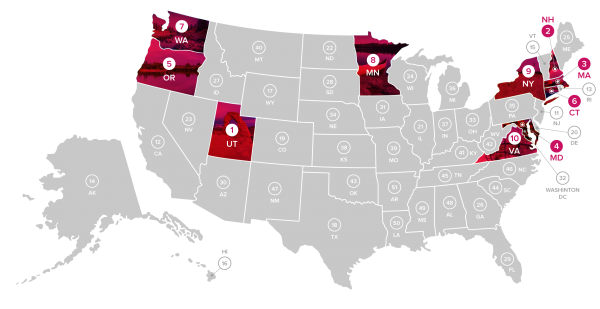
 The analysis points out that a main reason why people don’t have access to broadband internet is due to a lack of income. Cited is a Pew Research poll that found 23 percent of people making under $30,000 per year don’t use the internet, possibly because of the high price for something they don’t consider a basic need. Most rural schools across the country still lack access to fiber and pay more than twice as much for bandwidth.