Simsbury, New Haven, New Britain Top Bike- and Walk-Friendly Towns in State
/As part of a new "complete streets" initiative that began earlier this year, Bike Walk Connecticut has developed a first-of-its-kind ranking of the state's cities and towns on how bike- and walk-friendly they are. The results paint a varied picture of smaller communities and major cities taking effective steps to earn the designation bike- and walk- friendly.
Connecticut’s top ten include: Simsbury (1), New Haven (2), New Britain (3), Glastonbury (4), Middletown (5), Canton (6), Weston (7), Hamden (8), Plainville (9) and South Windsor (10). 
The scorecard and rankings of the most bike- and walk-friendly communities are based on an online, statewide public opinion survey that ran this spring and was open to anyone who lives or works in Connecticut.
The rankings are also based on municipal leadership and engagement efforts -- whether cities or towns have bicycle and pedestrian master plans; citizen task forces or advisory groups; complete streets policies; and whether they have conducted any public outreach efforts related to cycling, walking or complete streets.
Plans are for the surveys and scorecard to be conducted annually as part of Bike Walk Connecticut's new five-year initiative to make it safer and e asier to walk and bike by implementing "complete streets" in cities and towns across Connecticut. Complete streets make it easier and safer for people to get around on foot or by bike, in order to become more physically active.
"We want this project to encourage cities and towns to take a really robust approach to complete streets and being bike- and walk-friendly,” said Kelly Kennedy, Executive Director of Bike Walk Connecticut. “Being able to get around safely by bike or on foot isn't just a fad or a health issue or environmental issue. It's an economic development issue.”
Rounding o ut the top 25 towns in Connecticut in the survey were 11. Coventry, 12. Torrington, 13. Meriden, Milford, 15. Hartford, Manchester, 17. Stonington, 18. Old Saybrook, 19. Southbury, 20. Colchester, Somers.
Bike Walk Connecticut has also started to develop an online repository for complete streets resources. The entire project is made possible through the financial support of the Connecticut Department of Public Health through Cooperative Agreement 1305 from the Centers for Disease Control and Prevention (CDC), the purpose of which is to promote statewide implementation of policies and actions to promote health and prevent and control chronic diseases.
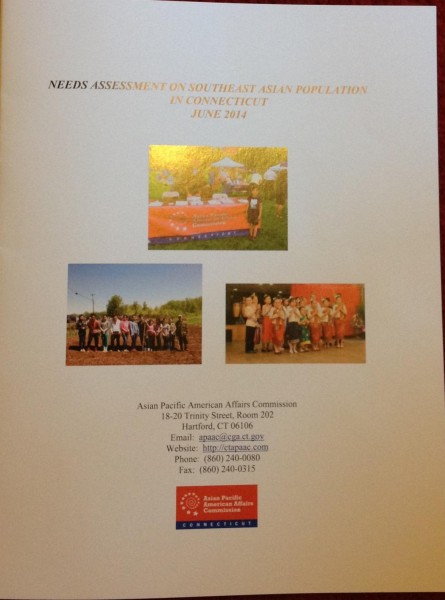
 nd Connecticut Coalition of Mutual Assistance Associations. The project was also supported by the Asian American Studies Institute at UConn, the UConn School of Pharmacy and the UConn School of Social Work. It focused on housing, education, language access, employment, access to public resources, and medical and mental health.
 Healthcare Concerns
 d education, promoting preventative care, actively recruiting APA members in various professional fields, creating diversity in the workforce, translating materials into the most common APA languages, and raising awareness among the APA population regarding their rights.
 ven are “overflowing with impossible ideas and the people who make them happen. We believe connecting to all three -- the place, the thinking, and the people -- can increase the probability of success for others who have impossible ideas.”



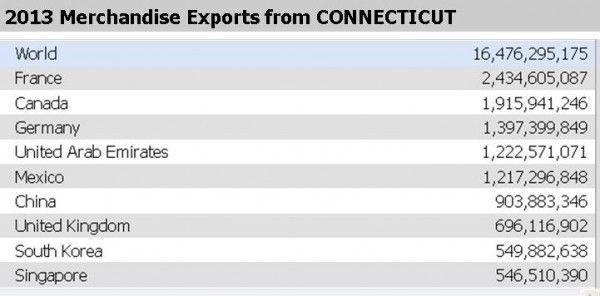
 Overall, the European Union was Connecticut’s largest export market, with average exports (2011-2013) totaling $6 billion annually, the agency’s report noted.
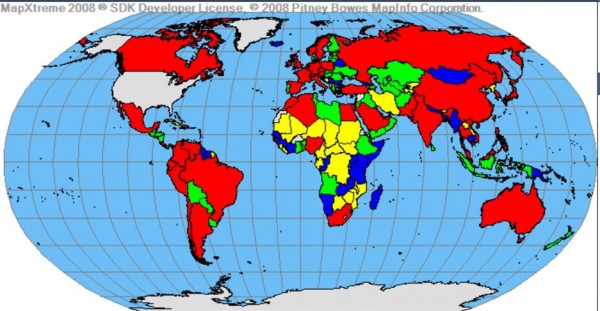 agreements in force with 20 countries, which account for $5.0 billion (30 percent) of Connecticut’s exports. During the past 10 years, exports from Connecticut to these markets grew by 69 percent, with NAFTA, Korea, Singapore, Colombia, and Israel showing the largest dollar growth during this period, the agency reported.

 y farther back, in 2009 the total was 5,334,322. The Bradley International Airport

 The proposal was also supported by the
  1, but still outdistanced all 50 states.
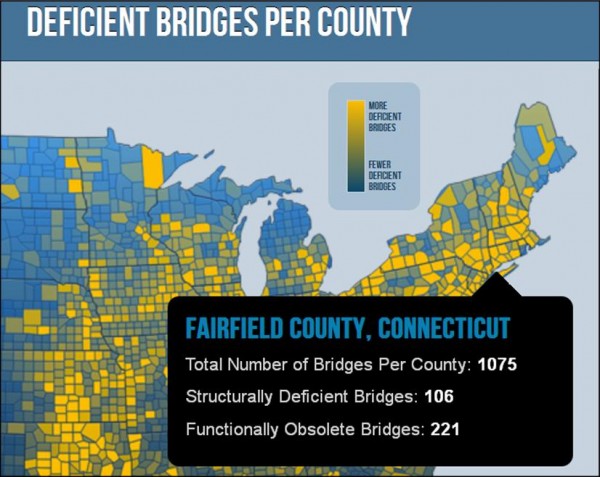
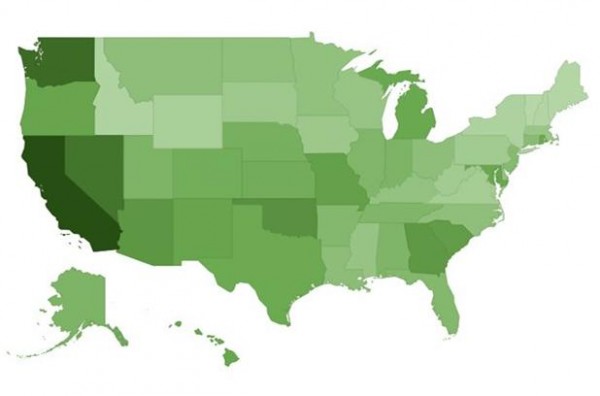
 , based on a nationwide map developed using county-by-county data, is to be believed.