Dangers of Distracted Driving Focus of New Documentary Produced in CT
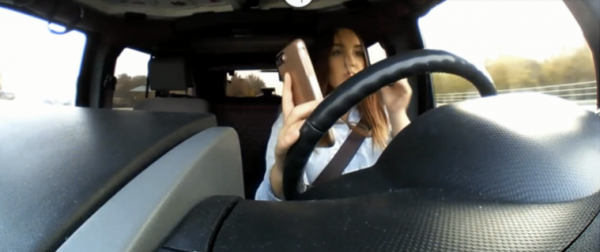
/A decade ago, local producer/director/writer Jennifer Boyd’s documentary Teens Behind the Wheel brought an EMMY Award and generated impactful airing on Connecticut Public Television and PBS, along with much discussion on news programs and increased awareness at driving schools across the country. Well, it’s a decade later, and technology has provided the foundation for a sequel that is, in many ways, more troubling than the original.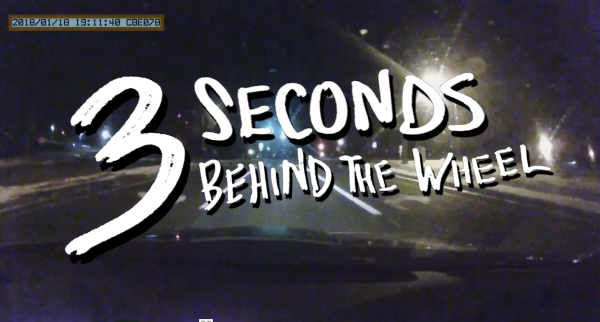 3 Seconds Behind the Wheel, which debuts on Connecticut Public on Thursday evening, is a new documentary and podcast series that follows the lives of eight drivers over six months using in-car cameras and tracking technology to expose the often-hidden behavior of distracted drivers.
The documentary is scheduled for national release in this fall. It has been described as a “window into our own lives,” by its realistic depiction of the pervasiveness – and dangers - of districted driving.
Why three seconds? That is the amount of time it takes to send a text message, choose a song, or engage in other activities that can impact safe driving behavior. That is also how long it takes to drive across a football field.
Producers gathered weekly data from subjects in Florida and Connecticut to get an honest picture of the many activities drawing drivers’ attention off the task of driving. Experts from MIT, Cambridge Mobile Telematics, Safety Track, and the University of Connecticut provided monitoring equipment, data storage, and expert analysis. The production took well over a year to complete.
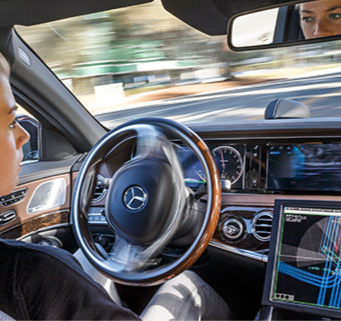
 The film also gives audiences a firsthand look at emerging technologies that could one day offer solutions to rising crash statistics. The documentary follows researchers at Google who are using driving simulators to develop next-generation in-car infotainment systems, and explores how one Swedish company is experimenting with technology that could one day allow cars to understand human feelings and make driving decisions based on individual needs.
“While many of these drivers’ habits will shock you, this is a very honest and intimate look at human nature,” said Jennifer Boyd, producer, director and writer of 3 Seconds Behind the Wheel. “And it provides a little insight into some truths about all of us.”
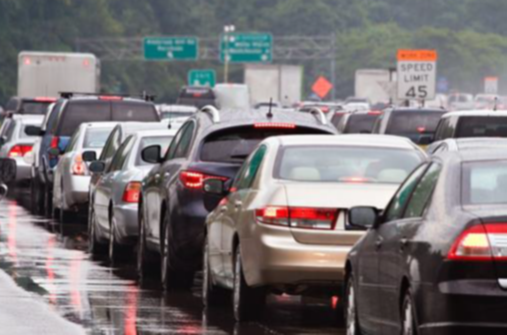
State DOT Commissioner James Redeker noted that distracted driving is a major contributor to crashes and deaths on highways. Officials also noted that “it only takes three seconds to take a life or to end your own.”
Over the past 20 years, Boyd has produced public television documentaries on topics ranging from climate change to gun control, and she's won 9 Emmy Awards for that work. Assisting her on the latest project were Catherine Sager, Senior Producer/Corporate Liaison; Cecilia Prestamo, Video Editor/Producer and Script Supervisor; Paul Smith, Director of Photography; and Tom Nelson, Editor. Nancy Bauer, Connecticut Public’s Vice President Sales/Corporate Support, is credited a being a driving force in the decision to research and produce the documentary.
3 Seconds Behind the Wheel premieres Thursday, June 21 at 8 p.m. on Connecticut Public Television and will rebroadcast Tuesday, July 17 at 10 p.m. and Saturday, September 15 at 7 p.m. More information about 3 Seconds Behind the Wheel can be found at 3seconds.org. Funding for 3 Seconds Behind the Wheel is made possible by Presenting Sponsor Travelers with additional support from General Motors and the Connecticut Department of Transportation.

 The U.S. DOT invests in the future of transportation through its University Transportation Centers (UTC) Program, which awards and administers grants to consortia of colleges and universities across the United States. In the Northeast, other consortia with the same policy focus include a 9-institution UTC led by Rutgers, the State University of New Jersey and a 6-institution group led by Pennsylvania State University.


 Satisfied Connecticut companies in 2016 include Windsor-based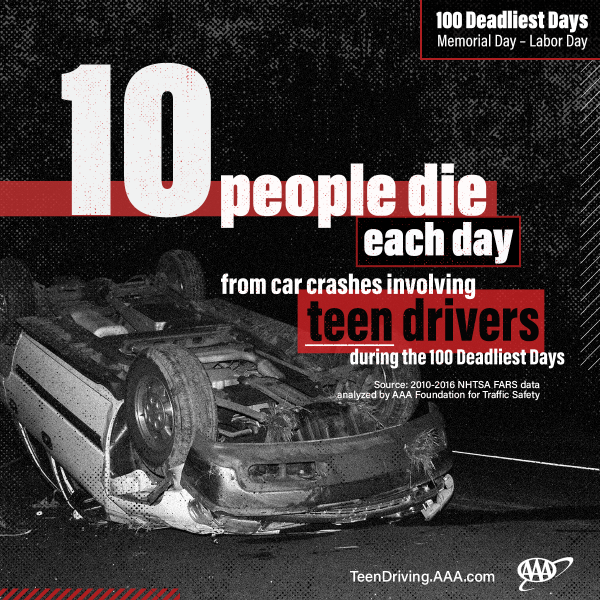

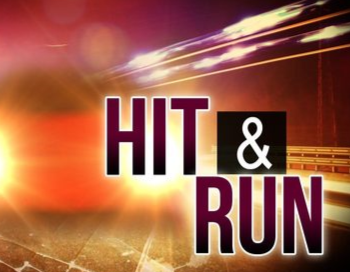 If you have a sense that reports of hit-and-run accidents have increased in frequency, you’re correct.
 In all states, it’s the drivers legal and moral responsibility to avoid hitting pedestrians, bicyclists, or another vehicle; and leaving a crash scene significantly increases the penalties, whether or not the driver caused the crash, AAA emphasized.
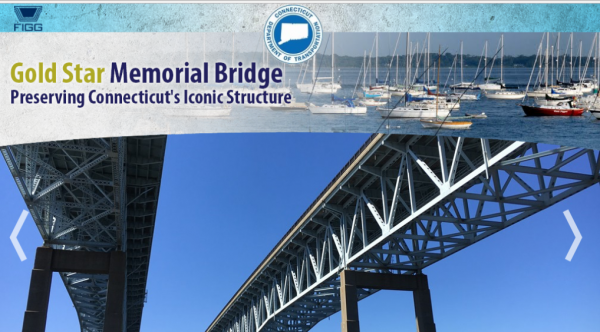 The Gold Star Memorial Bridge, described as “Connecticut’s most iconic structure,” is the largest bridge in the State of Connecticut. It is 6,000 feet long and over 150 feet tall at the center span. The bridge is actually a pair of steel truss bridges that span over the Thames River, between New London and Groton, according to the project website.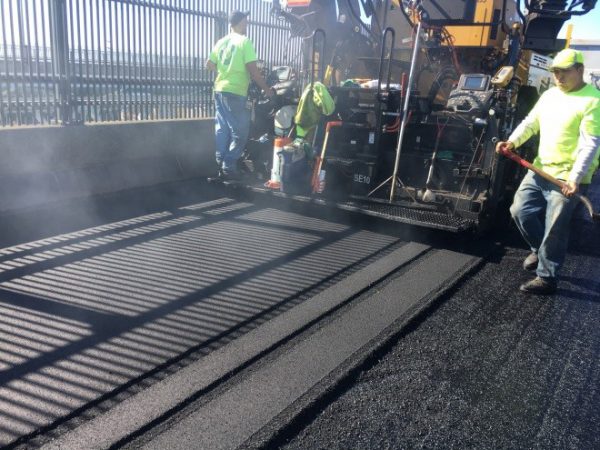
 “Repairs and maintenance of the bridge’s structural steel includes steel girder end repairs, bolt replacements, and bearing replacement and maintenance. Repairs to the substructure include concrete repairs and crack sealing,” the website explains.
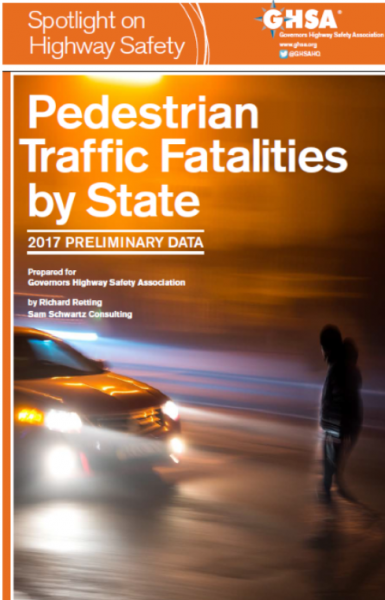
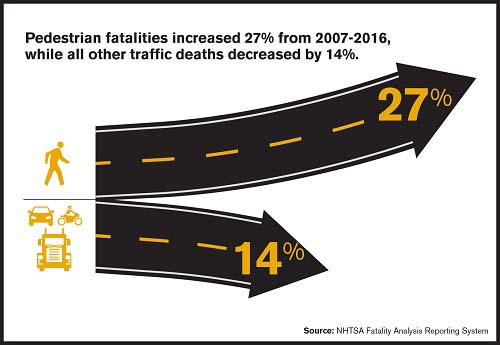 The total number of multimedia messages sent has more than tripled since 2010. The report also suggests a possible link with marijuana use. According to the report, the seven states (Alaska, Colorado, Maine, Massachusetts, Nevada, Oregon, Washington) and DC that legalized recreational use of marijuana between 2012 and 2016 reported a collective 16.4 percent increase in pedestrian fatalities for the first six months of 2017 versus the first six months of 2016, whereas all other states reported a collective 5.8 percent decrease in pedestrian fatalities.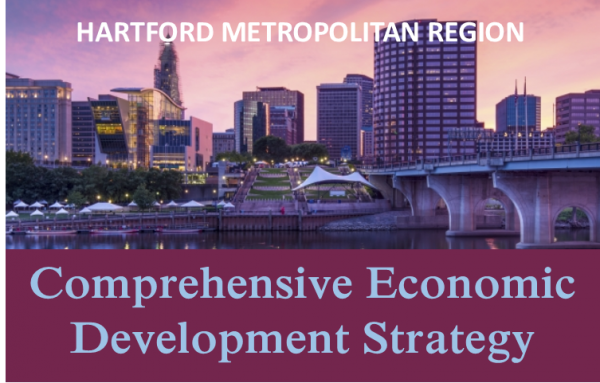
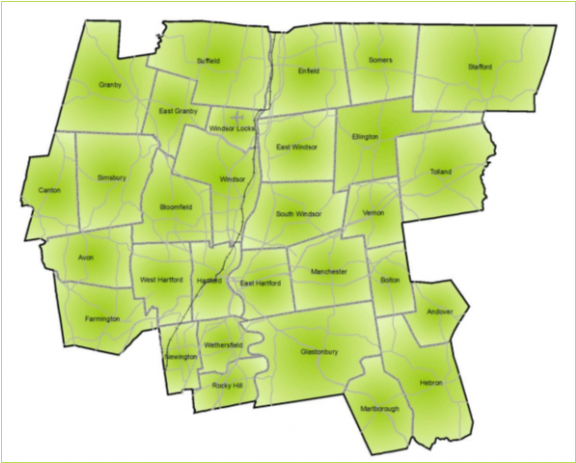 “There is only one way our region will achieve equitable and sustainable economic growth. We must eschew the past squabbles and divisions that have kept us mired in anemic progress,” said Jay Williams, president of the Hartford Foundation and co-chair of the CEDS Advisory Committee. “If we commit to a bold, collaborative, and pragmatic approach, we can develop a roadmap to capitalize on the enormous talent and multiple assets our region possesses. I’ve seen the success of this approach in other parts of the country and there is absolutely no reason it can’t occur here, unless we lack the collective will to make it happen.”