Individuals with Depression Not Seeking Help from Mental Health Professionals, Study Finds
/As the public conversation about mental health continues, new federal data released by the Centers for Disease Control and Prevention suggest that nearly two-thirds of individuals who have severe depression do not seek the assistance of mental health professionals. The report, by the National Center for Health Statistics within CDC, also found that people with mild depressive symptoms, as well as those with moderate or severe depressive symptoms, reported difficulties with work, home, and social activities related to their symptoms. For those with severe depression, nearly 90 percent reported such difficulties. Nearly 3 in 4 with moderate depression also reported having difficulty in those everyday situations.
Studies have shown that the most effective treatment for depression, especially for severe depression, is a combination of medication and therapy. Although medication can be prescribed by a primary care physician, therapy is generally provided by a mental health professional.
The study, which covered 2009-2012, found:
- 7.6% of Americans (aged 12 and over) had depression (defined as moderate or severe depressive symptoms in the past 2 weeks). Depression was more prevalent among females and individuals age 40–59.
- About 3% of Americans (aged 12 and over) had severe depressive symptoms, while almost 78% had no symptoms.
- People living below the poverty level were nearly 2½ times more likely to have depression than those at or above the poverty level.
- Almost 43% of persons with severe depressive symptoms reported serious difficulties in work, home, and social activities. Of those with severe symptoms, 35% reported having contact with a mental health professional in the past year.
According to the National Institutes of Health, more than 20 million people in the United States have depression. Its symptoms go beyond feeling sad for a few days, and interfere with people's daily lives, causing energy loss, feelings of worthlessness, problems with sleeping, or thoughts of death or suicide.
A report by the Connecticut Department of Public Health (DPH) issued earlier this year found that 1 in 6 Connecticut adults (16.7 percent) reported having been told they had a depressive disorder. Women were significantly more likely to have been told they had a depressive disorder (19.0 percent) compared to men (14.2 percent).The likelihood of having been diagnosed with a depressive disorder decreased significantly for each increase in income range, the study found. The DPH data is from 2012.
According to the CDC, depression is a serious medical illness with mood, cognitive, and physical symptoms. Depression is associated with higher rates of chronic disease, increased use of health care facilities, and impaired functioning. Its causes may be genetic, environmental, psychological or biochemical. Numerous studies have also shown that individuals with depression have more functional limitations than those without depression. The DPH study points out that “Depressive disorders may interfere with a person’s work and daily activities and prevent them from functioning normally. Some forms of depression develop under unique circumstances; others occur in episodes or may be longer-term.”
 cut

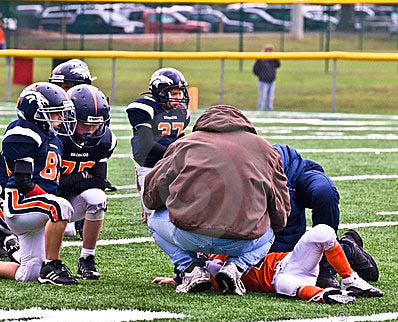
 e filled out by your physician when a concussion occurs, our procedures for concussion management, and our Return to Play protocol that will be followed by all athletes before returning to competition after sustaining a concussion.”
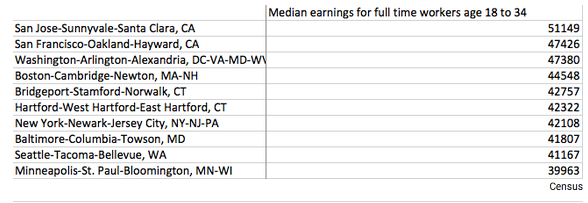
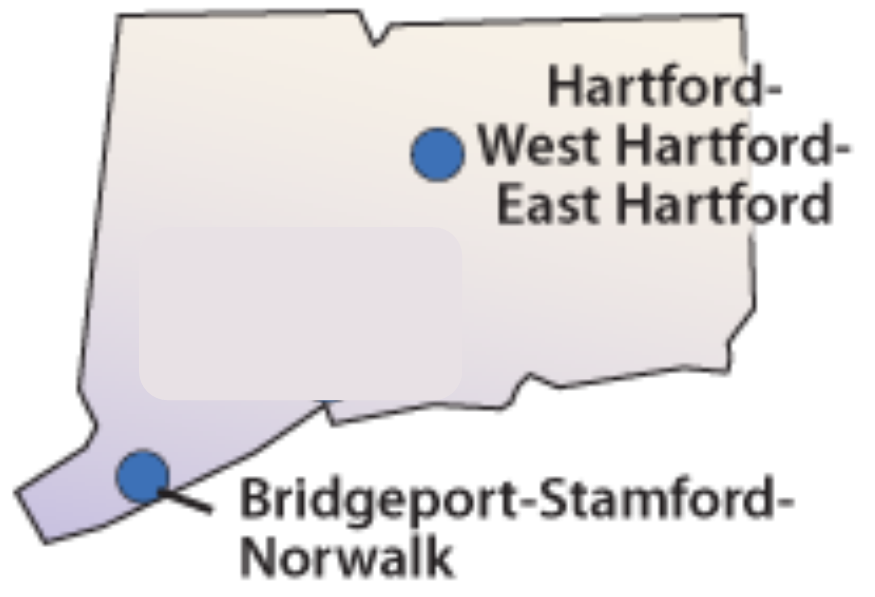 me in the Bridgeport-Stamford-Norwalk metropolitan area was $42,757, and the Hartford-West Hartford-East Hartford region was $42,322 for 18-34 year olds working full-time, according to the data, highlighted in an article posted to The Atlantic’s
 “looking remarkably attractive.”


 ent where people with autism or sensory needs, along with their families, can enjoy coming to the theatre together and will feel comfortable, supported and free to be themselves.”


 sness” category.


 the U.S. Championships, which will also be held in different cities. The men’s championships will be held in Hartford, June 3-5, 2016. The women will also be in town, competing in the Secret Classic – a major pre-Olympic event. The women will move on to their national championships three weeks later in St. Louis.



 Recognized programs and organizations include the Rowley Spring Adult Education Diploma and Certificate Program, Billings Forge Community Works, Northwest Connecticut Manufacturer's Coalition, the Southeastern Connecticut Cultural Coalition, Fiddleheads Natural Food Co-op and the Putnam Business Association's First Fridays event.


 rt this new chapter,” said co-founder and CEO Kate Pipa, who lives in Shelton. “And we are excited to bring kids a new box each month of hands-on fun that also doubles as a learning opportunity and is making social impact for the kids and for our partner organizations.”





 “Many preliminary competition events would need to take place outside of the main Olympic Park areas so events may occur as far away as Connecticut. This also is an opportunity for more people to get involved with the Olympic Spirit,” Garcia adds.

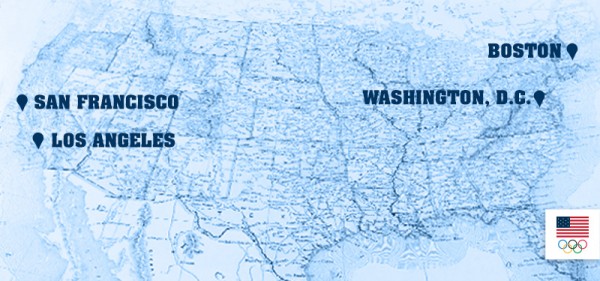

 An Olympic games in Boston would utilize existing sports venues of both professional teams and area colleges, which could reduce potential costs. Infrastructure improvements, such as in transportation, are already on the drawing board, and could accelerate with a Boston bid.