CT Residents Believe Economy, Business Conditions Have Improved, But Uncertain About Future
/Connecticut residents are somewhat more upbeat about the state of the state’s economy, but less than convinced that good economic news will keep coming, according to the results of the Connecticut Consumer Confidence Survey for the fourth quarter of 2015, released this week. The quarterly survey, by InformCT, a public-private partnership that provides independent, non-partisan research, analysis, and public outreach to help create fact-based dialogue and action in Connecticut, is designed to generate an ongoing measure of consumer confidence in the Connecticut economy. When asked to think about overall business conditions in Connecticut versus 6 months ago, respondents – for the first time in three quarters – said conditions are better now than 6 months ago. The margin was narrow - with 27 percent saying “better” and 25 percent saying “worse”, but that’s a reversal from the past two quarters, when more people were of the view that business conditions has worsened (22%-24% and 24%-28% in the two previous quarters).
The percentage of respondents who feel that the Connecticut economy is improving increased from 23 percent in the 3rd quarter to 27 percent in the most recent survey, and the percentage expressing concern that their job, or their spouses’ job, is in jeopardy, has declined in each of the four quarterly surveys, from 38 percent in the first quarter of 2015, to 36 percent, 35 percent and now 33 percent.
Administered for InformCT by the Connecticut Economic Resource Center, Inc. and Smith & Company, the analysis is based on the responses of residents across Connecticut and addresses key economic issues. The most recent consumer confidence survey also saw an uptick in key indicators, as the percentage who believe:
- there are “plenty of jobs for anyone who wants to work (as compared with 6 months ago)” increased from 10 percent to 13 percent
- the employment situation will be better still in 6 months increased from 15 percent in the 3rd quarter to 17 percent in the 4th quarter
- their personal financial situation is better now than 6 months ago increased from 63 percent in the third quarter to 65 percent in the 4th quarter survey.
Even though Connecticut residents feel conditions are improved, they are increasingly divided when asked if they expect that will continue.
When asked to look ahead six months, respondents have consistently believed business conditions will improve, but by a narrowing margin in each of the past four quarters. In the beginning of the year, 30 percent thought business conditions would improve, as compared with 19 percent who thought conditions would worsen – an 11 point differential. In the following three quarters, that differential narrowed to 9 points, then 5, and now 4.
There were other positive outcomes in the final quarterly survey of 2015, as the percentage who anticipate:
- making a major consumer expenditure for furniture or some other product in the next 6 months jumped from 26 percent to 34 percent, reversing a slide from 36 percent in the year’s first quarterly survey.
- buying a new car also increased, from 22 percent in Q3 to 25 percent in Q4, the highest percentage of any of the quarterly surveys on that question.
- taking a vacation outside Connecticut in the next 6 months also rebounded, from 51 percent to 56 percent, reversing a diminishing percentage in each of the past two quarters.
There remain some troubling signs amidst the generally upbeat news.
The percentage who agree that Connecticut is a good place to live and raise a family and dropped slightly, and is under 50 percent for the first time in the quarterly surveys, at 47 percent. The percentage of respondents who say they are likely to move out of the state in the next five years has increased in three consecutive quarters, from 32 percent to 34 percent to 37 percent, but remains lower than in the first quarterly survey, when it stood at 39 percent.
InformCT is a public-private partnership that currently includes staff from the Connecticut Economic Resource Center and the Connecticut Data Collaborative. More information about subscribing can be found at informct.org. Based in Rocky Hill, the Connecticut Economic Resource Center, Inc. is a nonprofit corporation and public-private partnership that provides economic development services consistent with state strategies, leveraging Connecticut’s unique advantages as a premier business location. Smith & Company LLC, is a Shelton, Connecticut-based market research firm.
 In a survey of states nationwide, Illinois was at the bottom of the list, with only one in four Illinois residents indicating confidence in their state government, the lowest among the 50 states by a significant margin. Rhode Island (33%) and Connecticut (39%) join Illinois as states with less than 40 percent government confidence, according to data compiled by Gallup. North Dakota residents are the most trusting; 81 percent say they are confident in their state government.
 ts are based on Gallup's 50-state poll, conducted March through December 2015. Gallup asked respondents whether they do or do not have confidence in their state's "government in general."
 "There are some things that state governments can do to make their states more attractive to research and development," including R&D tax credits, Nariman Behravesh, chief economist at IHS Inc. in Lexington, Massachusetts told Governing magazine. "State governments — if they carefully target areas where they think they have a bit of a competitive advantage — they could develop a cluster around their universities, as well."


 Perhaps it begins by recognizing that Main Streets of all sizes thrive with a mix of uses, a mix of businesses, a mix of incomes, a mix of cultures. Connecting people to housing, retail & dining, jobs, community resources, and transportation choices is critical if our Main Streets are to be vibrant and sustainable. Offering a range of housing options located near transit and within a walkable distance of life's necessities like grocery stores, pharmacies, doctor's offices and more can only help to attract anyone who desires to live in a vibrant neighborhood.
 Together with our partners, we were thrilled this week to bring to Hartford Christopher Zimmerman, Smart Growth America’s Vice President for Economic Development, and Director of the Governors’ Institute on Community Design. Much of his work focuses on the economic and fiscal impact of development policies on localities and regions.
 As the agency’s Enforcement Bureau considers “an alleged violation of FCC rules,” the agency’s Media Bureau cannot proceed with a decision on whether or not to renew the station’s broadcast license. The application was placed on “enforcement hold,” amidst speculation that the action was related to use of the station’s airwaves by former Governor and station talk show host John Rowland, who was previously and subsequently convicted of federal corruption and campaign-related charges.
 Hartford Attorney Ken Krayeske filed an informal objection on October 1, 2014 to WTIC’s broadcast license renewal, alleging that the station “demonstrated serious malfeasance” and “helped conceal violations of federal law.”
 ents currently working on the Hartford Hand initiative. Each week, Welch and colleagues Yonathan Moshayev, Jake Green, Amber Sayer, and Stephen Sousa, spend several hours improving the current design to make the unique Hartford Hand a reality for patients.

 with the addition of headrest and ceiling speakers.


 Just over the city line in West Hartford, ShopRite supermarket (corner of Kane and Prospect Streets) is offering a series of free courses with a registered dietician to help individuals know “where to start on your path to becoming healthier.” The “Eat Well Be Happy” Weight Management Series begins on February 24, and will be held every Wednesday from 6-7:30 p.m., for six weeks. Each class focuses on a different topic including: meal planning, portion control, importance of fiber, protein and hydration and controlling sugar cravings, among others. Individual consultation is also available, and all nutritional services are available to customers free of charge. (Interested individuals can contact shana.griffin@wakefern.com)
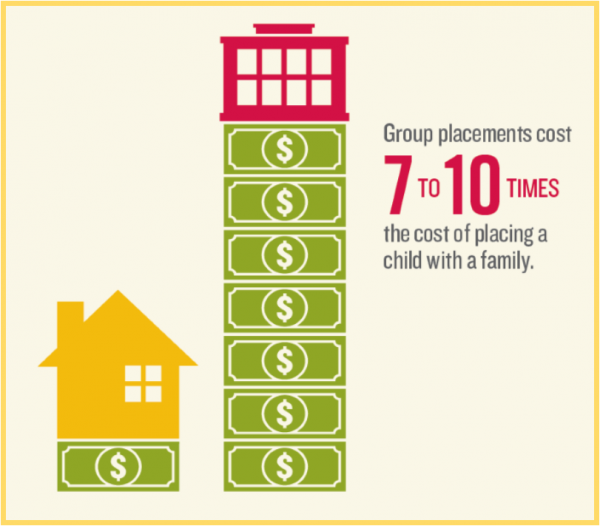
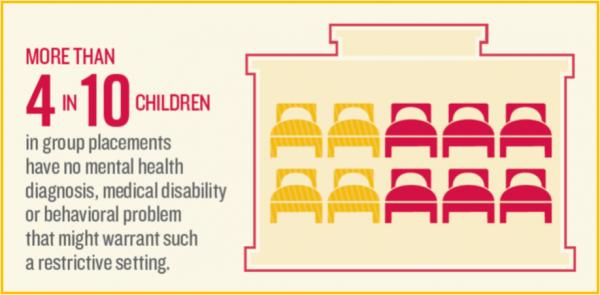
 y percent of the children in group placements have no documented behavioral or medical need that would warrant placement in such a restrictive setting.