

PERSPECTIVE: Move over Oprah - Giving to Women’s and Girls’ Causes is Growing (and is a Rising Force for Good)
/by Carol Buckheit What role do philanthropic funds supporting women’s and girls’ causes play in creating change in Connecticut communities? Increasingly, a big one.
According to the Connecticut Council for Philanthropy, the first women’s fund in Connecticut was established in 1993, formed to gather and distribute dollars to improve the lives of women and girls and inform women about the most pressing issues affecting them in their local communities. Connecticut Community Foundation’s Women’s Fund, serving the Greater Waterbury and Litchfield Hills region, is one of 12 such funds in the Nutmeg State. The Council reported that the combined assets of these women’s funds in Connecticut have grown dramatically, increasing more than six-fold from $2.9 million in 2002 to $18.7 million in 2011.
Nationally, the numbers are even more startling. Between 1990 and 2006, U.S. foundation giving to benefit women and girls (including international grants) grew from $412 million to $2.1 billion, an increase that surpassed the rate of growth for all foundation giving.
Connecticut funders (nearly all of them community foundations) have granted millions of dollars from women’s and girls’ funds to organizations tackling issues uniquely affecting women and girls, including prevention and treatment of eating disorders, dating violence, teenage pregnancy and domestic violence.
Our work, and focus, continues.
 In the 21-town Greater Waterbury and Litchfield Hills area served by Connecticut Community Foundation, recent Women’s Fund grantees have included the Susan B. Anthony Project and Waterbury Youth Services. Each endeavors to build girls’ self-esteem and resiliency through programs sensitively developed just for girls, whether through supportive group therapy for girls in residential care or ensuring girls are connected to strong female role models in fulfilling careers.
New research bodes well for the continued growth of women’s funds and, most importantly, their influence in improving the lives of women and girls.
Data from a new study—the first academic research examining who gives to women and girls causes and what motivates donors to give—was released in May 2016 by the Women’s Philanthropy Institute (WPI) at the Indiana University Lilly Family School of Philanthropy.
The encouraging news: Large percentages of female and male survey respondents (50% and 40%, respectively) reported donating to causes primarily affecting women and girls. Women reported investing in these causes based on their personal experiences, including experiencing discrimination and having children, and because they believe that supporting those causes leads to the greatest social return to all of society.
An in-depth analysis of giving to women’s funds by the Foundation Center and Women’s Funding Network suggests this belief is valid, pointing to real and significant systemic changes worldwide in areas such as education, health and economic growth.
But, there’s even better news from WPI’s research for the women’s funds in Connecticut, particularly those hosted by community foundations like ours: donors trust us and are looking to us to gain a deeper understanding of issues affecting women and girls in local communities.
The authors discussed, “Our research showed that existing donors were highly complimentary of the women’s funds they supported, seeing them as a locus of expertise in their communities with the ability to make both local and systemic changes.”(p. 35). Donors indicated that they were intentional about their giving, sought specific impacts, and trusted the women’s funds to deliver desired results.
“As more and more people make the connection between giving to women and societal change, we can see that giving to women and girls is not just a temporary trend but is here to stay,” said lead author of the study, Debra Mesch, Ph.D., director of the Women’s Philanthropy Institute. “Understanding the demographics and motivations of those who are giving to women’s and girls’ causes is increasingly important if we are to improve the lives of women and girls, and their families and communities.”
Indeed.
______________________________________
Carol Buckheit is Senior Communications Officer at the Connecticut Community Foundation. Established in 1923, Connecticut Community Foundation fosters creative partnerships that build rewarding lives and thriving communities in 21 towns in Greater Waterbury and the Litchfield Hills. The Foundation provides leadership in addressing the region’s critical issues, strengthens local nonprofit organizations through grants and technical assistance programs, and works with individuals, families and corporations to establish and steward scholarships and charitable funds.
PERSPECTIVE commentaries by contributing writers appear each Sunday on Connecticut by the Numbers.

 Members of the Department of Motor Vehicles (DMV) Teen Advisory Board said the week is important for a variety of reasons, and encourages teens to play an active role in promoting safety behind the wheel. The risk of motor vehicle crashes is higher among 16-19-year-olds than among any other age group, CDC data indicates. In fact, per mile driven, teen drivers ages 16 to 19 are nearly three times more likely than drivers aged 20 and older to be in a fatal crash.
 Connecticut's favorite Halloween candy is Almond Joy, with 2,619 pounds of it, on average, ordered each year, the website indicated. Milky Way is Connecticut's second favorite Halloween candy, with 1,366 pounds ordered. M&M's placed third, at 910 pounds on average.


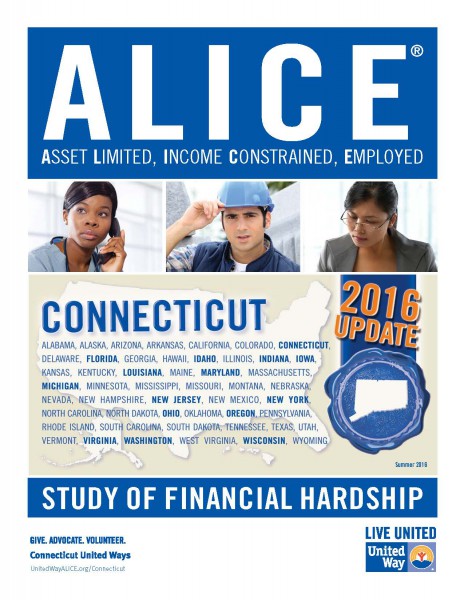
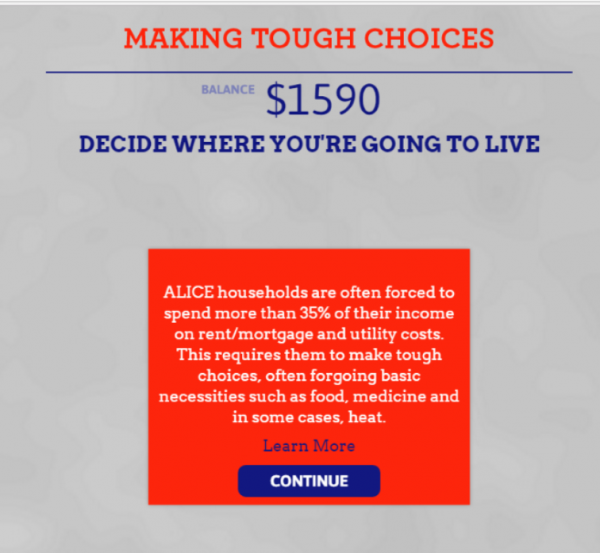
 As a result, from 2001 to 2015, the share of Connecticut’s private sector jobs in low-wage industries increased by 20 percent, while the share in high-wage industries decreased by 13 percent. This helps explain why a growing number of families, even after a full week of hard work, are forced to choose between groceries and rent, or between childcare and transportation costs.
 During the recession, industries across all wage categories experienced net losses with a total net loss of more than 85,000 jobs – nearly 6 percent of total private sector jobs. More than 97 percent of total losses were in mid- and high-wage industries. Manufacturing continued to experience disproportionate losses, accounting for almost 30 percent of all jobs lost during this period. The construction industry accounted for another 20 percent, with administrative and waste services industries (composed largely of janitors, laborers, office clerks) accounting for 13 percent of losses.


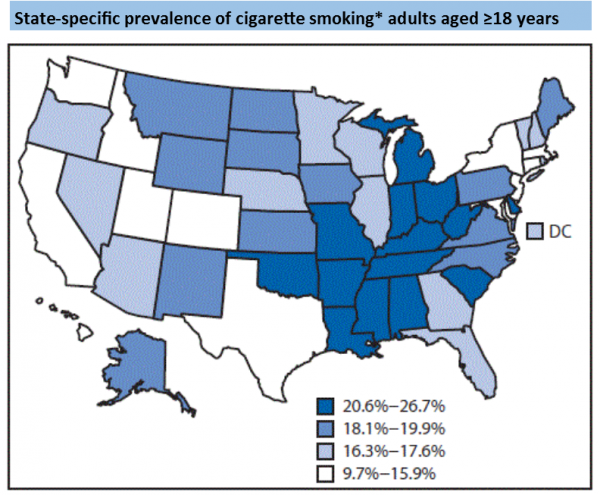
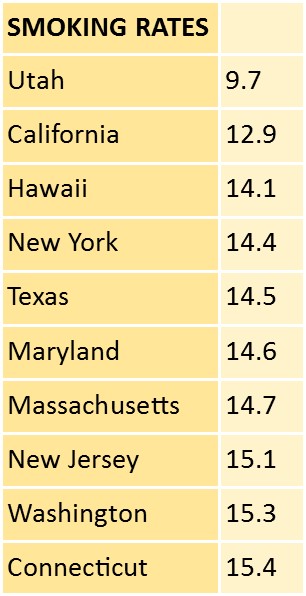 Prevalence of any cigarette and/or smokeless tobacco use ranged from 11.3% (Utah) to 32.2% (West Virginia). Connecticut was 15.3 percent.


 According to the most recent data, adult obesity rates now exceed 35 percent in four states, 30 percent in 25 states and are above 20 percent in all states. Louisiana has the highest adult obesity rate at 36.2 percent and Colorado has the lowest at 20.2 percent.

 “Every student deserves the opportunity to receive a math education that is rich and rigorous, and equips them with the skills needed to graduate from high school prepared to be successful in both college and career,” said Commissioner Wentzell. “These recommendations by the Council on Mathematics have created a clear path that will help the State Department of Education take the steps needed to ensure that every student in our state receives a high-quality mathematics education.”

 Council members included parents, teachers, curriculum specialists, principals, superintendents, board of education members, higher education professors, business leaders, and State Department of Education staff members with the purpose of closely examining the current state of mathematics education in Connecticut.

 Essentially, structural change relates to those factors within the domestic economy which are NOT related to, and operate independent of, the U.S. business cycle. Structural changes have to be understood in their scope and magnitude in impacting today’s economy because many of these same factors will also be affecting future levels of growth.





















