PERSPECTIVE: State Cuts will Mean Ballooning Costs; People with Traumatic Brain Injury Left Without Services
/by Julie Peters Numbers matter. Traumatic brain injury (TBI) is a major cause of death and disability in the United States. TBIs contribute to about 30 percent of all injury deaths. TBI was the diagnosis in more than 2.5 million ED visits. (www.cdc.gov). There were over 36,000 TBI ER visits in CT alone in 2014 (CT Dept. of Public Health). Every 21 seconds in the US, a person sustains a brain injury. 5.3 million Americans currently have a long-term need for assistance to perform activities of daily living as a result of TBI.
The Brain Injury Alliance of Connecticut (BIAC) has been Connecticut’s resource for those with brain injuries and their families for over 35 years, and is the only organization that offers support to survivors and their caregivers while providing prevention education completely free of charge. BIAC’s brain injury specialists field thousands of calls each year, requesting our help. Our 20 support groups provide peer support. We provide education and training to professionals who serve individuals with brain injury, assuring that they have the most up-to-date information possible.
Because Connecticut has no department of brain injury, and no mechanism to assist its residents with information regarding brain injury, they have contracted with BIAC for over 30 years to provide helpline, support, and community education on behalf of the Department of Social Services. Calls to 211 are referred to BIAC.
So when the State is considering a budget that would entirely eliminate BIAC’s funding, and a loss of up to 40 percent of our entire budget, the results could be catastrophic for those who need our help.
People like Linda, a 63 year old woman who contacted BIAC, is one such example. Linda’s electricity was scheduled to be turned off, and her medical benefits, food stamps and cash assistance had all been discontinued as she had not remembered to fill out the redetermination paperwork. She was out of her prescribed medication and was unable to see a doctor. She had no medical insurance nor any medical transportation. Additionally, Linda does not drive and has minimal family support.
All of the reported issues posed a significant health/safety risk for Linda within the community. Linda was not able to successfully complete the steps and activities necessary for her to pay bills or respond to mail which led to repeated discontinuation of benefits putting her housing and healthcare at risk. HelpLine staff were able to provide her with assistance in response to all of her concerns. Calls and emails were made on Linda’s behalf to facilitate her obtaining services. Together we were able to prevent the electricity from being turned off, an application was made for fuel assistance, medical insurance, food stamps, cash assistance were all reactivated.
Michael, a veteran injured during his second tour in the United States Army, contacted BIAC via his Veteran’s Affairs office. He was struggling with significant health issues, as well as cognitive challenges, behavioral and marital problems – decades after his initial injury from a fall. Navigating daily life became increasingly more challenging for him. His BIAC brain injury specialist connected him to community based resources, including a physician who has successfully assisted him with medication. Michael remains independent and has also learned how to proactively advocate for his needs to be met in and outside of the VA system. He credits his progress and significantly increased quality of life to his relationship with BIAC.
 State funding for BIAC is an investment that pays off substantially, ensuring that those in need have access to lives of wellness, dignity and fulfillment. In the short time it took you to read this article, at least 5 people in the U.S. sustained a brain injury. This could be your neighbor, your co-worker, your family member, or you.
Think about it – every number equates to a person, and every person has a name and a face – and a story to tell. Should funding for BIAC be severely reduced or eliminated, the State will experience ballooning costs as those who contact BIAC have nowhere to go for help. They will end up in hospitals, long-term nursing facilities, or on the street. And those numbers will matter to all of us.
____________________________
Julie Peters, CBIS, is Executive Director of the Brain Injury Alliance of Connecticut, which provides critical resources and support to brain injury survivors, their families and caregivers while educating individuals throughout Connecticut about brain injury awareness and prevention.


 Orders. Most historians agree the Fundamental Orders are significant, but the state of Connecticut decided in 1959 to call itself the Constitution State based on the premise that the Fundamental Orders were the first constitution in North America.





 “Despite growing private-sector demand, it appears that construction employment in some parts of the country is being brought down by declining public-sector investments,” said Ken Simonson, chief economist for the association. “Some of these declines will be offset thanks to recently enacted state infrastructure funding increases, but stagnant federal investments are not helping.”
 e of new construction jobs during the past year, followed by Nevada (12.8 percent, 9,700 jobs).

 his 12 year old son and a friend play a game in their backyard in Fairfield, using a perforated plastic golf ball and a broomstick handle. They had given up on baseball and softball – not enough players for two teams, not enough space for a field, and too many broken windows.
 The National Toy Hall of Fame receives thousands of nominations annually. Whiffle Ball was nominated, but not selected, in 2015. The final 2017 toy inductees, chosen on the advice of a national selection advisory committee, will be announced at The Strong museum on Thursday, November 9. Only two or three of these finalists will join other iconic toys in the hall and sit alongside past inductees such as Barbie, LEGO, Monopoly, Rubik’s Cube, and Star Wars action figures.
 The Strong’s National Toy Hall of Fame recognizes toys that have engaged and delighted multiple generations, inspiring them to learn, create, and discover through play. Criteria for induction include: Icon-status (the toy is widely recognized, respected, and remembered); Longevity (the toy is more than a passing fad and has enjoyed popularity over multiple generations); Discovery (the toy fosters learning, creativity, or discovery through play); and Innovation (the toy profoundly changed play or toy design).

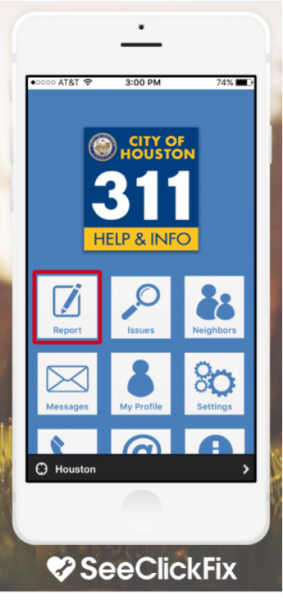 broken meters and streetlights, potholes, and even excessive noise from ice-cream trucks). Officials can track, manage and reply within the app. It has since expanded to some 300 municipalities across the country.”
 Hurricane Harvey, the efforts with Houston instantly intensified. Berkowitz said SeeClickFix has worked with the city of Houston and several of its neighboring suburbs since 2009, handling an estimated 30,000 residents. Those numbers will likely jump when the totals for 2017 are tallied. Berkowitz told CTNewsJunkie that will be especially true in the coming weeks as operations shift from emergency calls handled by police and other emergency personnel to calls that are SeeClickFix specialties, such as power outages, downed trees and other types of “more routine” assistance.
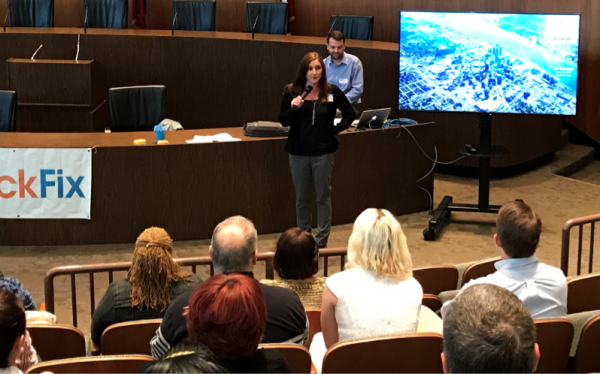 The company’s website continues to proudly boast “Made in New Haven” and Berkowitz’ company profile explains “The inspiration for SeeClickFix came from a desire to improve his own community with his neighbors and his government.”
 from the top down” as the publication highlights “some of the most promising projects, initiatives, and companies that are springing up in every state of the union. Together, they present a portrait of the country today—its concerns and responses, and its enduring capacity for progress.”