Local Museums, CRIS Radio, Collaborate to Bring Audio Narration to the Art
/CRIS Radio and the New Britain Museum of American Art (NBMAA) are working together to offer CRISAccess™ at the museum, which offers instant, on-demand audio descriptions of selected masterpieces on display by using a personal smartphone and QR Code reader. The new initiative launched earlier this month.
The goal of CRIS Radio and NBMAA’s collaboration is to provide its museum visitors with disabilities the same experience and access enjoyed by their friends, classmates and family, officials explained.
CRIS (Connecticut Radio Information System) is a 39-year-old nonprofit and is Connecticut’s only radio-reading service, providing audio access 24/7 to news and information for people who are blind or print-challenged, including those unable to read due to a medical condition/treatment, physical, learning, intellectual or emotional disabilities.
The New Britain Museum of American Art’s founding in 1903 entitles the institution to be designated the first museum of strictly American art in the country. The singular focus on American art and its panoramic view of American artistic achievement make the NBMAA a significant teaching resource available to the local, regional, and national public.
CRIS Radio is integrating QR Code technology to instantly “link and play” audio files of information posted on signs or other printed materials for people who are blind or print-handicapped. Visitors can access the audio files with any mobile device downloaded with a QR Code Reader application.
CRISAccess™ is part of CRIS Radio’s new Adaptive Audio Accessibility services initiative that promotes access to information at museums for people who have difficulty reading posted signs. The audio displays are triggered by QR code (Quick Response Codes) apps downloaded onto smartphones. A patron simply captures the QR code with the camera phone. The QR code apps are available for download on most online app stores, like Apple or Google.
 Michelle Hargrave, Deputy Director at the NBMAA, said, "The New Britain Museum of American Art is thrilled to partner with CRIS Radio in this endeavor to bring greater accessibility to the institution. The Museum is committed to being a welcoming, dynamic, distinguished, and educationally ambitious art museum, and we are very excited that this opportunity will open our galleries to a broader audience."
CRIS Radio’s state-of-the art broadcast center is headquartered in Windsor, where numerous audio recordings are produced. CRIS also operates regional studios located in Danbury, Norwalk, Norwich, Trumbull, and West Haven.
National studies report that only 11 percent of people with disabilities visit museums. The collaboration between the two nonprofits provide a low-cost and simple approach to enhance the visitor experience for people with visual or other print disabilities. CRIS Radio based its CRISAccess program on the recommendations of a focus group comprised of people with visual disabilities convened by the Smithsonian.
CRIS has already been working with leading museums in the state and region, with more to come. Plans are underway to add the Mark Twain House & Museum to the QR code portfolio. Those already up and running include:
- Connecticut Valley Agriculture Museum
- Jonathan’s Dream
- Mystic Aquarium
- New Britain Museum of American Art
- New England Air Museum
- Old Sturbridge Village
The recently re-opened Jonathon's Playground, in Bloomfield, is the first outdoor venue to use the technology. CRIS provided audio descriptions of the playground equipment.
The core of CRIS services is the daily recording of articles featured in more than 70 newspapers and magazines, including the most extensive line-up in the nation of award-winning children’s magazines featuring human narration, all available online and on demand.
CRIS also provides streaming CRIS programs directly to hospitals and other health care facilities through their in-house systems, or through Internet radios installed at assisted living facilities or nursing homes.
The Connecticut Valley Tobacco Museum also recently launched special digital audio guides for the sight impaired, or for patrons who have reading difficulties, as part of the CRIS museum initiative. The project was funded by the Windsor Lions Club, with the assistance from the Connecticut Radio Information System (CRIS).
Programs powered by CRIS Radio include: CRIS Radio; CRIS Listen Now (online streaming); CRIS Listen On Demand; CRISKids™ and CRISKids™ for Schools; CRISAccess™ (for museums); and CRIS En Español (featuring Spanish-language newspapers and magazines). CRISKids and CRISKids for Schools offer teachers a low-cost tool to help improve student literacy and reading ability.
CRIS employs a staff of four full-time and three part-time people. Operations rely on approximately 300 volunteers statewide to help with the production, programming and the day-to-day operations of CRIS.
PHOTO: At left, Michelle Hargrave, deputy director of the New Britain Museum of American Art, watches as Diane Weaver Dunne, executive director of CRIS Radio, demonstrates CRISAccess, which provides audible information about selected masterpieces on display at the New Britain Museum of American Art.

 A synthetic turf study was undertaken in 2016 by four United States agencies — EPA, Consumer Products Safety Commission, the Centers for Disease Control and Prevention/Agency for Toxic Substances and Disease Registry — which has yet to be finalized.
 Blumenthal first became concerned about the artificial surface when his children were playing on the crumb-rubber athletic fields. “I became concerned as a parent, as much as a public official, ten years ago, and at first was somewhat skeptical, but now very firmly believe that we need an authoritative, real study about what’s in these fields,” Blumenthal told ABC News two years ago.

 Henkel is #158 on Forbes magazine’s Global 2000 list of Top Multinational Performers, and #307 on the list of America’s Best Employers. Charter Communications is #38 on the Forbes list of Growth Champions and ranks #107 on the Global 2000.
 Most Connecticut residents may also be unfamiliar with Charter Communications. Connecticut has 24 cable franchise areas; Charter provides local cable service in only three of them, in the western and northeastern regions of the state for about 35 mostly rural communities. The larger franchise owners in Connecticut are Cablevision, Comcast and Cox. But the Connecticut map is deceiving – nationally Charter is the second largest cable provider in the nation.

 Once underway, the new daily service will mean that from New Haven to Hartford, trains will increase from six to 17 per day. Between Hartford and Springfield, trains will increase from six to 12 per day. A new station in North Haven station is currently being designed, and is not due to be built and open until 2020. Stations in Enfield, Newington, West Hartford, Windsor and Windsor Locks stations are also part of the Hartford Line plans. Trains will arrive at stations in New Haven, Wallingford, Meriden, Berlin and Hartford every 45 minutes during peak hours and every 60 to 90 minutes during off-peak periods.

 A new online resource for business owners exploring ways to control insurance costs and manage their risk, “CT Captive Solutions for Business,” has recently been launched by state Insurance Commissioner Katharine Wade. The toolkit includes instructions on licensing a captive in Connecticut, a list of recognized captive managers, FAQs and Insurance Department contacts. Click
 Connecticut also provides insurance brokers and producers, captive insurance managers, and tax professionals in insurance fields access to innovative solutions and resources to drive the industry forward, including a collaborative workforce and support from leadership at all levels of State government. The Connecticut Department of Insurance Captive Division has significant regulatory expertise and a collaborative consultative approach that can help support and grow innovative captive insurance companies.
 CPAN’s most recent contact expired in September, was extended through October, and was on a day-by-day basis this week. The 33-person staff worked with an annual operating budget that was unexpectedly reduced by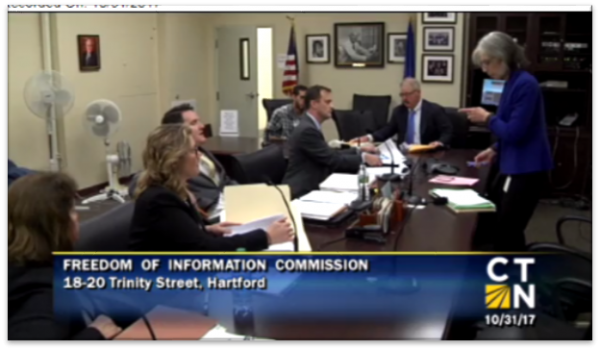


 The 21 honorees were selected by economic development officials in each of 10 regions across Connecticut for their contribution to the state’s economy – such as consistent or growing employment levels, playing a critical role in changing the character of its community or civic engagement, strong public/private collaboration to encourage new investment, or leadership resulting in growth or improvements.