

PERSPECTIVE: Legalizing Marijuana Would Jeopardize Safety on Connecticut Roads
/By Amy Parmenter A poll by AAA of almost a thousand drivers across Connecticut found earlier this year that 50 percent do not support the legalization of recreational marijuana. Of younger respondents (ages 18-24) opposed to legalization, 40 percent expressed ‘concern that marijuana is a national public health issue’.
As the advocacy organization for all motorists, AAA opposes the legalization of marijuana for recreational purposes because of a broad range of traffic safety concerns including, but not limited to, the following three factors detailed in the testimony below:
- A significant increase in drugged driving and marijuana-involved fatal crashes
- An inability to simply and accurately measure impairment
- The complexities and challenges legalization would present to law enforcement, our courts and state agencies
 Increase in Drugged Driving and Marijuana-involved Fatal Crashes
Recent research by the AAA Foundation for Traffic Safety found that in the year following the legalization of recreational marijuana in Washington State, the number of drivers in fatal crashes who had recently used Marijuana more than doubled.
We know drugged driving, and driving under the influence of marijuana in particular, is on the rise across the country.
According to a 2013-2014 survey by the National Highway Traffic Safety Administration (NHTSA), drug use among nighttime weekend drivers increased 25 percent since the previous study in 2007. The drug showing the greatest spike was marijuana, with an increase of almost 50 percent.
This trend is particularly disturbing among our younger drivers.
A AAA poll conducted in 2016 found that, of those between the ages of 18-29, almost 25 percent admitted that within the past year they ‘regularly’ or ‘fairly often’ drove after using marijuana – whereas only about 15 percent admitted to driving drunk during the same time frame.
Inability to Accurately Measure Impairment
While there is the understandable temptation to measure impairment by alcohol and marijuana in the same way, it cannot be done.
Unlike with alcohol, the amount of active THC (the psycho-active ingredient in marijuana) in the blood has NO scientific correlation with a driver’s level of impairment or propensity to crash. Active-THC, is fat soluble and is metabolized differently than alcohol, which is water soluble. To accurately predict driver impairment or crash risk as a function of how much active-THC a person has in their body would require us to measure how much of the drug is in the fatty tissue of the brain—not the blood.
While roadside drug tests may soon be available, even the most accurate of these tests will be of no use in determining impairment. They will only show the presence of THC in the blood.
Challenges to Law Enforcement and Courts
Because of the inability to accurately determine impairment at the roadside as described above, law enforcement and the court system face unique challenges and complexities when it comes to marijuana that do not exist for alcohol.
 One of the most common ways lawmakers in marijuana states have attempted to address traffic safety concerns is to establish an impairment threshold for marijuana, a ‘per se’ standard for it, (similar to the 0.08 BAC standards in every state for alcohol).
After analyzing data from nine states, the AAA Foundation published a report last year in which researchers concluded that ‘to establish a per se standard for marijuana is meaningless as a tool to address impaired driving’.
Additional considerations:
- This is not the marijuana of previous generations. The concentration of the impairing chemicals in most marijuana range from 25-30% in plant form – 10 TIMES as much as in the 70's and 80's.
- There have been two systematic reviews of multiple studies on the impact of marijuana on driving. Both determined that, conservatively, marijuana at least doubles the risk of causing a traffic crash.
It has taken many years to change attitudes about drinking and driving, and we must now begin the same process of educating the public about drugged driving.
Legalizing marijuana before we are prepared to manage the potential highway safety consequences, before we have prepared our law enforcement officers with all the training and resources they need to address this issue, endangers the Public Health of our state.
While some people are focused on revenue to be generated, AAA is focused on traffic safety and the unintended consequences of legalization, for which we believe Connecticut and other states are ill-prepared.
Legalization of marijuana will, without question, increase the number of people who use it and get behind the wheel and drive. That puts all of us at greater risk on the road.
______________________________
Amy Parmenter is Manager of Public and Government Affairs for the AAA Allied Group. This was provided as testimony to the state legislature’s General Law Committee during the 2018 session, when the legislature was considering a proposal to legalize marijuana in Connecticut. It is on behalf of both AAA clubs in Connecticut, the AAA Allied Group and AAA Northeast, which together represent more than a million members.
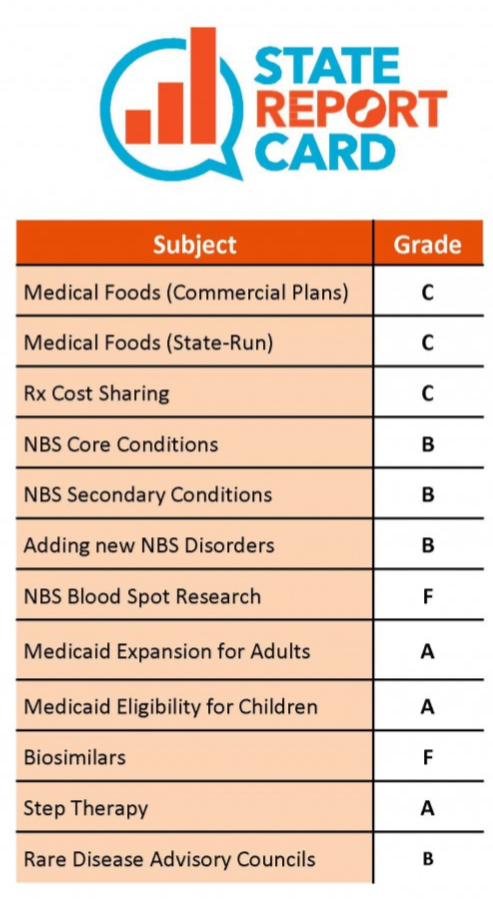
 To assist patients who find themselves in this difficult situation, several states have passed legislation mandating a limit on out-of-pocket costs for medications. These limits can be applied in different forms, such as a per-drug cap or by mandating a copay-only structure in certain health plans. Those are just some of the areas of particular interest to


 Marion Manufacturing Company, located in Cheshire, will offer visitors a “first-hand look at manufacturing in today’s high tech world.”

 More than 250 attendees are anticipated, to include consultants, coaches, funders, academics, and executives from across the country. The conference intends to “convene the diverse perspectives that shape and advance our field.”


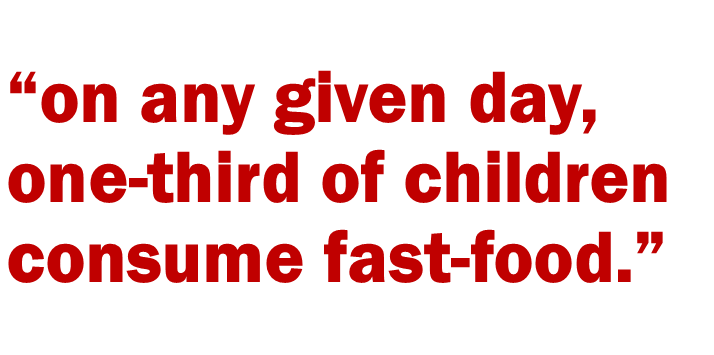
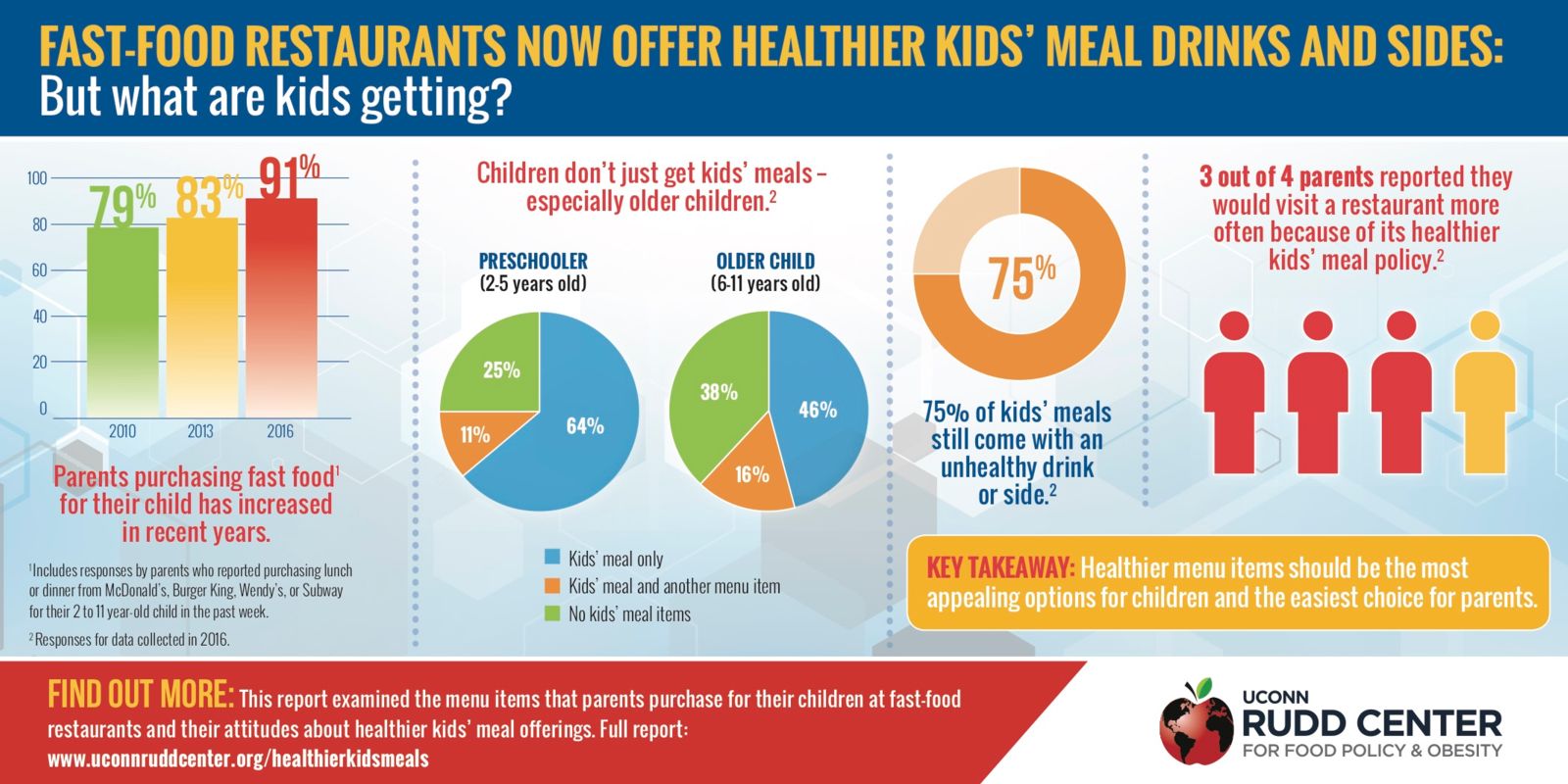
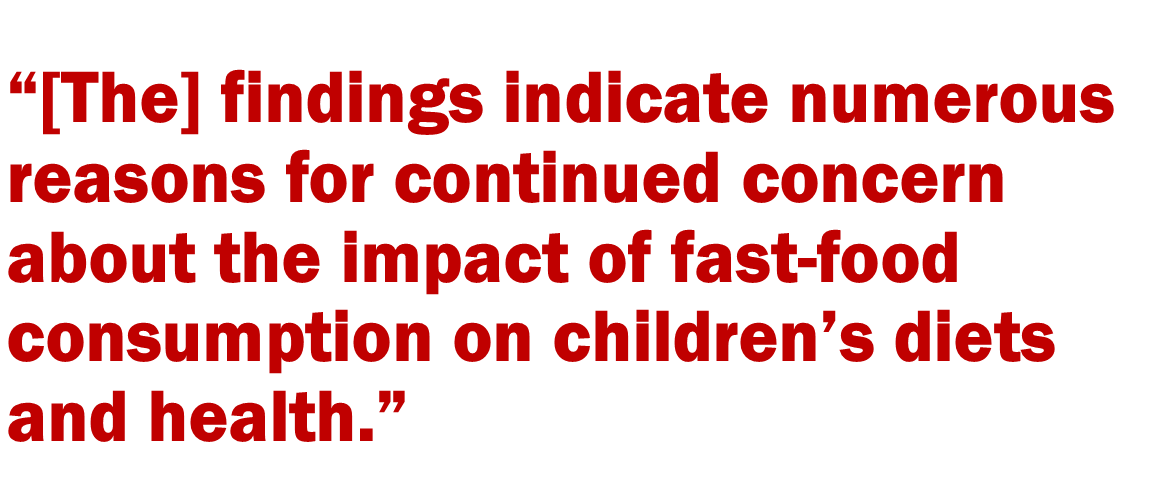 These numbers are high, but they correspond to previous research showing that on any given day, one-third of children consume fast-food… Furthermore, parents’ purchases of fast-food for their children increased significantly during the years examined, with parents reporting increased frequency of visits to most individual fast-food restaurants from 2013 to 2016…
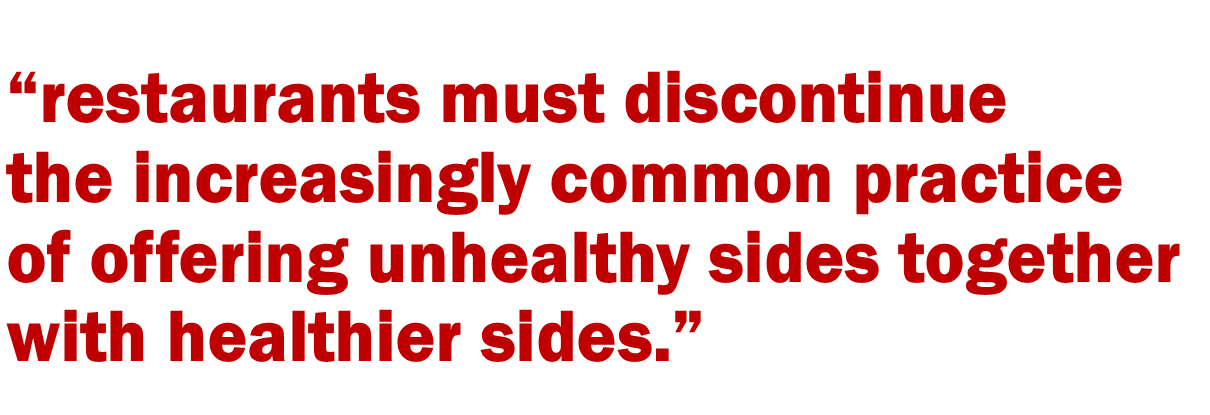 Unhealthy options, including main dishes, sides, and desserts, remain on kids’ meal menus at most restaurants, and purchases of a kids’ meal plus another menu item for their child have increased. Although future research is required to explain the reasons for these trends, they do indicate that restaurants’ voluntary pledges, as currently implemented, are unlikely to substantially reduce children’s fast-food consumption overall, or increase their selection of available healthier drink and side options.
 e the community a better place.”


 “This aging population has contributed to diminished economic growth, with Connecticut being one of only four states in the country with contracting output. This occurred while its population growth was nearly at the bottom for all states, along with having one of the largest contractions of prime working-age adults,” S&P noted in their analysis. “The outlook is equally dim. We expect the state's higher concentration of middle-aged and elderly residents compared with young adults and children to worsen.”
 It went on to explain that “upon further look, there is a profound distinction among the projected population shift when broken down by age. Between 2010 and 2040, Connecticut’s age 65 years and over population is on pace to increase by 57%. However, its population between the ages of 20-64 is projected to grow less than 2% and the population age 18 and under is projected to decline by 7%.”

 Just over a decade later, her business acumen and history of public service put her on a ticket for statewide office. In 1990, New Haven-area Congressman Bruce Morrison won a primary to be the Democrats choice for Governor, former U.S. Senator Lowell Weicker started his own political party to launch is comeback with a candidacy for Governor, and Republicans nominated another Congressman, John Rowland of Waterbury.
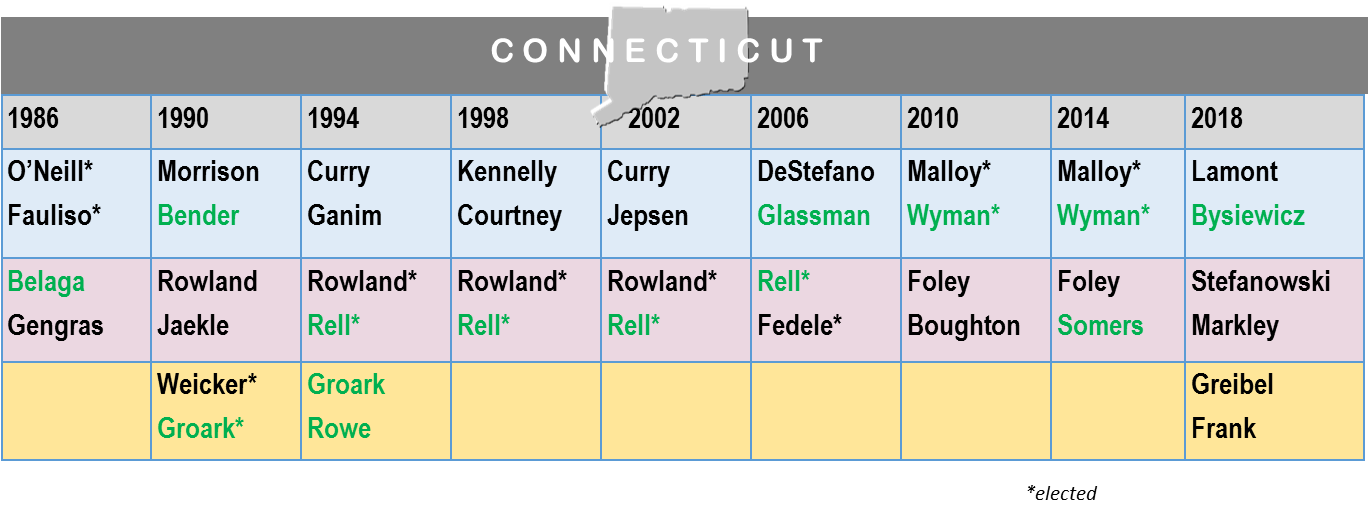
 She is also remembered as the Democratic candidate the first time two women were on the November ballot for Lieutenant Governor of Connecticut. That occurred again in 1994 and 2014. At least one woman has been a candidate for Lieutenant Governor or Governor - or both - in every election cycle since 1986, and Connecticut's voters elected Nancy Wyman to serve as Lieutenant Governor in 2010 and 2014, following one term of a man in that role, the only such term since 1990. This year, Susan Bysiewicz is on the ballot for that office. A woman has been elected either Governor or Lieutenant Governor in Connecticut in every election since 1990.
 While we are pleased to see that you share our concerns about the potential impact of Texas v. U.S. on people with pre-existing conditions, as evidenced by your recent introduction of the Ensuring Coverage for Patients with Pre-Existing Conditions Act (S.3388), the safeguards presented in this legislation fall far short of the patient protections encompassed in existing law. This bill as written is far from an adequate replacement for the protections for individuals with pre-existing conditions that are provided under current law.





















