UConn Analysis Has Role in Ensuring Integrity of State Elections
/Little known even by University of Connecticut advocates across the state, the flagship university’s Voting Technology Research Center (VoTeR) advises the state on the use of election technology, investigates voting solutions and voting equipment, and develops and recommends safe-use procedures for electronic systems used in the electoral process. VoTeR will be at it again as a follow-up to Election Day, analyzing the technology and tabulations, as they’ve done before.
The Center’s website notes that “starting in 2008 the Center has performed technological audits and assisted in the hand-counted audit procedures in all statewide elections in Connecticut.” Stated goals are “to ensure the integrity of the election outcomes conducted with electronic voting systems and to continuously assess the security and dependability of such systems.”
Alexader Russell, a Professor of Computer Science and Mathematics at the University of Connecticut, leads the Center. He holds a B.A. from Cornell University and both an M.S. and a Ph.D. from the Massachusetts Institute of Technology.
The mission of the VoTeR Center is to advise state agencies in the use of electronic election technologies, to investigate voting solutions and voting equipment, and to develop and recommend safe use procedures for electronic systems used in the electoral process.
“Of course, the most sensational attack against an electronic voting system is one which undetectably changes the reported outcome of an election,” Russell recently told UConn Today. “While the James Bond-appeal of these attacks elevates them to a common topic of conversation, the fact of the matter is that along the spectrum of various attacks those are comparatively difficult, expensive, and high-risk.”
A 2014 study published in the Journal of Election Technology and Systems concluded that “audits are a critical procedural component of the electoral process to guarantee the proper conduct of an election.” The study, by Laurent D. Michel, Alexander A. Shvartsman and Nikolaj Volgushev of the Center, noted audits “can be valuable in the forensic analysis of data collected from voting terminals” used during an election. The system referenced in the study “was rigorously tested against several thousand event logs collected in real elections in the State of Connecticut.”
The statistical analysis of the post-election audit data for the November 2016 presidential election undertaken by the Center was released earlier this year, in June. The analysis of 615 records “revealed no indication suggesting inaccuracy in the tabulator counts in the audited districts.” The analysis, of 10 percent of the districts randomly selected by the Office of the Secretary of the State, was performed at the request of that office which oversees Connecticut elections in conjunction with municipal officials.
The analysis indicated that “445 records (72.4%) show no discrepancy, 85 records (13.8%) show discrepancy of 1 vote. There are 58 records (9.4%) showing a discrepancy of 2 or 3 votes; 14 records (2.3%) showing a discrepancy of 4 to 6 votes; 6 records (1%) showing a discrepancy of 7 to 10 votes; 3 records (0.5%) showing a discrepancy of 11 to 20 votes and 4 records (0.6%) showing a discrepancy of more than 20 votes.”
“The main cause for discrepancies between the hand and machine counts,” the review concluded, “appears to be human error in counting as reported by the auditors.”
Steps like training voting staff in best practices, and teaching them what to look out for in terms of suspicious activity, are key to safeguarding the entire voting system, UConn Today reported, indicating that Russell believes Connecticut has done a good job in these areas.
“One present difficulty is that vendors are primarily focused on functionality and ease-of-use rather than security,” Russell added. “In fact, we even lack clear standards for exactly what ‘security’ means for voting equipment.”
Connecticut makes certain that optical scan tabulators are not connected to the internet, and that each town performs logic and accuracy testing before each election or primary, to ensure that the voting equipment and ballots accurately collect the votes and tabulate the results, he noted.
More than 20 states – including Connecticut - faced cybersecurity threats in the 2016 election.

 The biggest differentiator between an entrepreneur and a small-business owner is that the former wants to solve big problems, grow quickly and takes huge risks. Think Facebook, Google, and Tesla. Facebook has over two billion monthly users, and its mission is: “Give people the power to build community and bring the world closer together.” Google is the most visited website on the Internet. Its mission is: “To organize the world’s information and make it universally accessible and useful.” Founded in 2003, Tesla Motor’s mission is: “To accelerate the advent of sustainable transport by bringing compelling mass market electric cars to market as soon as possible.”


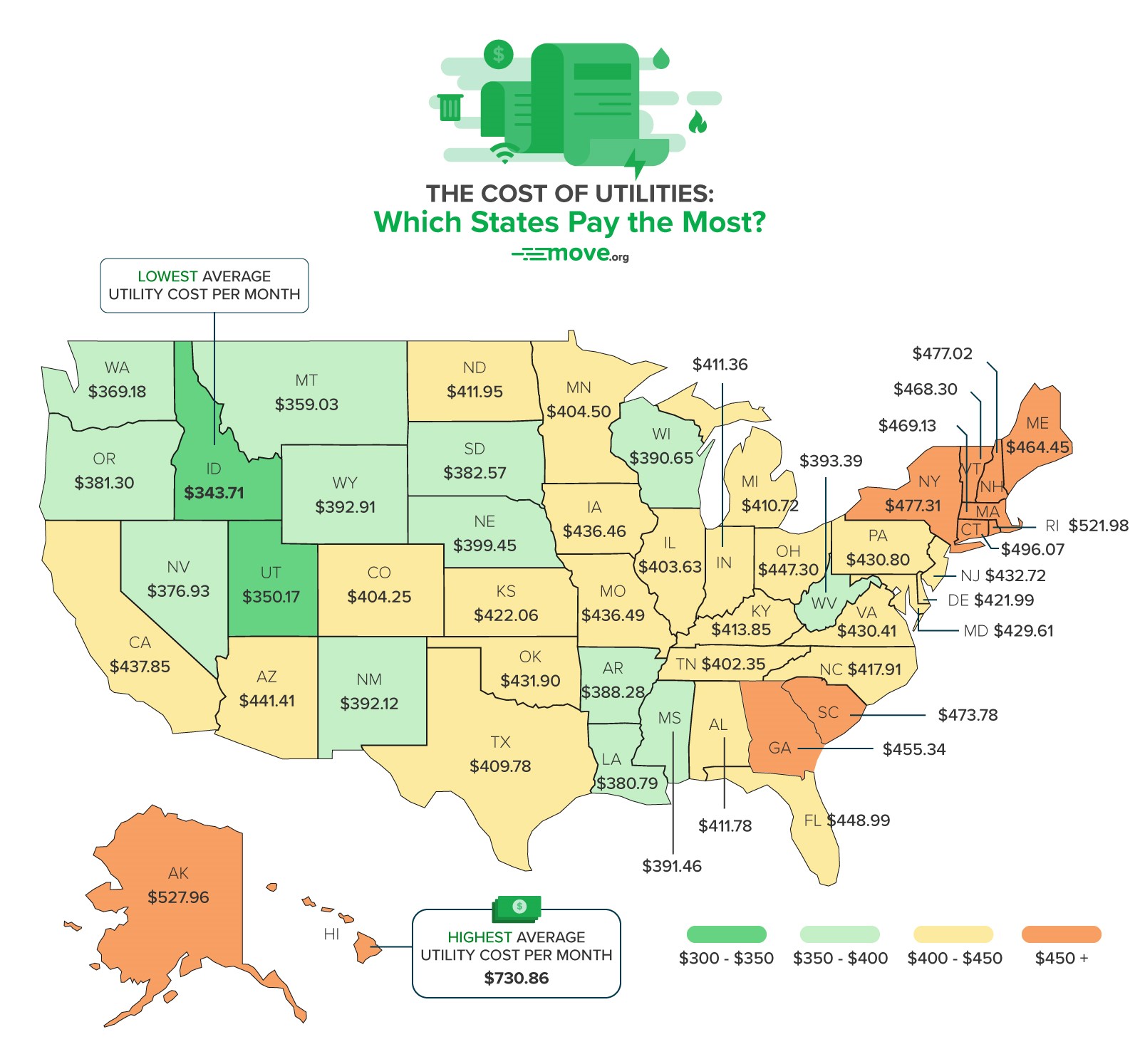
 Electricity costs are significantly higher on the East Coast, according to the study by move.org, released this week. Seven of the top ten states with the most expensive utilities are on the Atlantic Seaboard. In addition to Connecticut, those states are Rhode Island, ranking third at $521.98; New York ($477.31); New Hampshire ($477.02); Massachusetts ($469.13); Vermont ($468.30) and Maine ($464.45). The only other non-Atlantic coast state to land in the top 10 is South Carolina ($473.78).
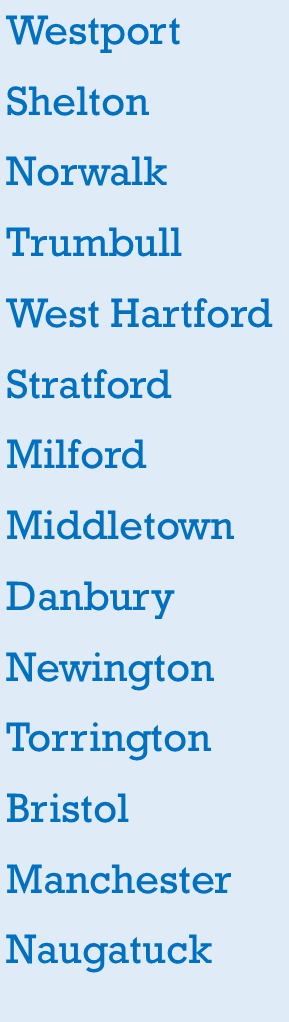 The analysis, by the financial services website WalletHub, was based on 40 key indicators of livability, ranging from housing costs to school-system quality to restaurants per capita. The indicators were grouped into five categories – affordability, economic health, education & health, safety, and quality of life.
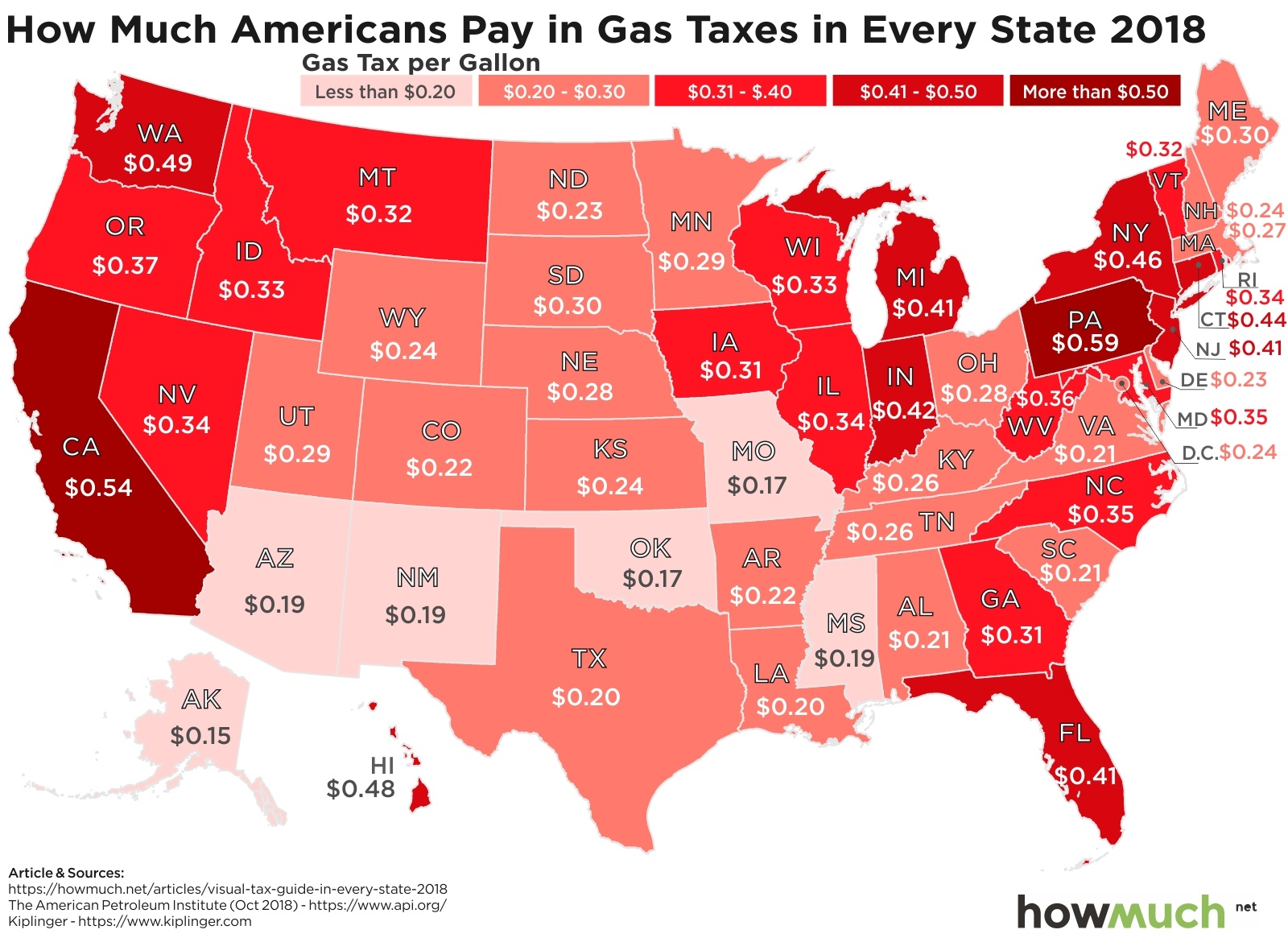
 In total, 27 states have raised or reformed their gas taxes since 2013. Indiana instituted a 10-cent increase in 2017; Oregon approved a 10-cent phase-in that began this year. The South Carolina legislature overrode a Governor’s veto to enact a 12-cent-per- gallon increase in the tax rate to be phased in over 6 years, according to data compiled by the Institute on Taxation and Economic Policy. Oklahoma’s legislature approved a 3 cent increase this year - that state’s first since 1987.
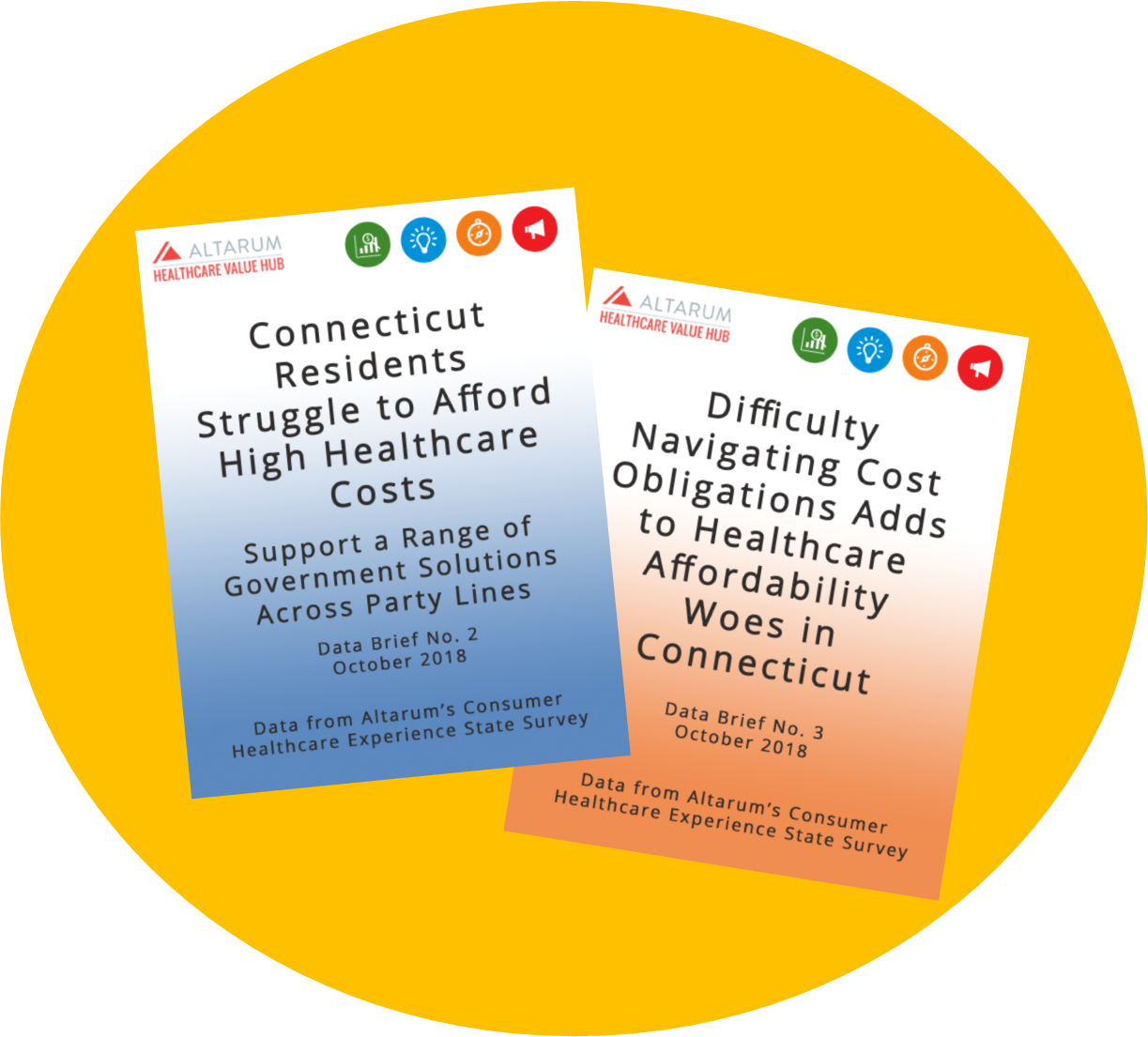 The survey revealed that residents are not satisfied with the current health care system: 80 percent agree or strongly agree that “the system needs to change.” When given more than 20 options, they focused on the high prices charged by industry players, citing most frequently as a “major reason” for high health care costs:
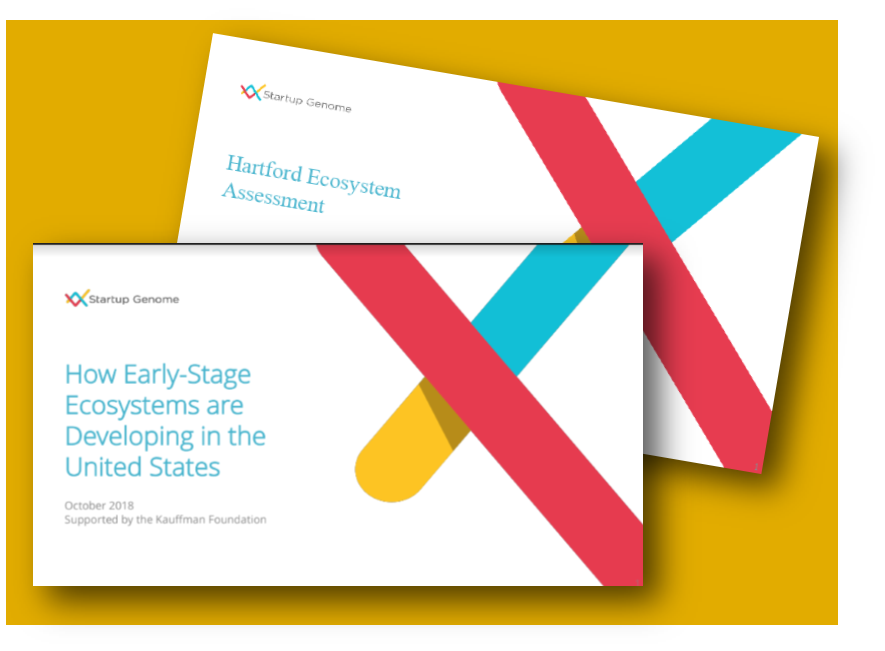

 The comprehensive assessment of Hartford’s ecosystem also noted that “Hartford’s [startup] founders claim to have the right ambition to go global,” concluding that “Hartford’s startups have more potential to strengthen Global Market Reach and Global Connectedness.” In a number of areas analyzed in the assessment, Hartford is seen as having potential to strengthen the local startup community, its reach beyond Hartford, and the demographic of startup teams.


 The VentureClash competition started with applications from 300 companies from more than 15 countries. After two rounds of judging, nine finalists were named, and they then went on to compete at the live pitch event. The judges included investors and subject-matter experts from Greycroft Partners, Oak HC/FT, Real Ventures, Stanley Ventures, Teamworthy Ventures, Travelers and the Royal Bank of Scotland.