

Bigelow Tea Takes On Flavor of Girl Scout Cookies
/Fairfield-based Bigelow Tea, celebrating its 70th year of operation as a family-owned company, has teamed with the Girls Scouts of the USA in a licensing agreement that has put the popular Thin Mints and Caramel & Coconut cookie flavors in teas on shelves across the country. The teas are marketed as gluten free, sugar free and Kosher-certified and will be available for a limited time only, according to company officials. Bigelow produces 1.7 billion tea bags annually in 130 flavors, the company reported. Bigelow, which is privately held, employs 350 people in Fairfield; Boise, Idaho; and Louisville, Kentucky; as well as its Charleston Tea Plantation in South Carolina.
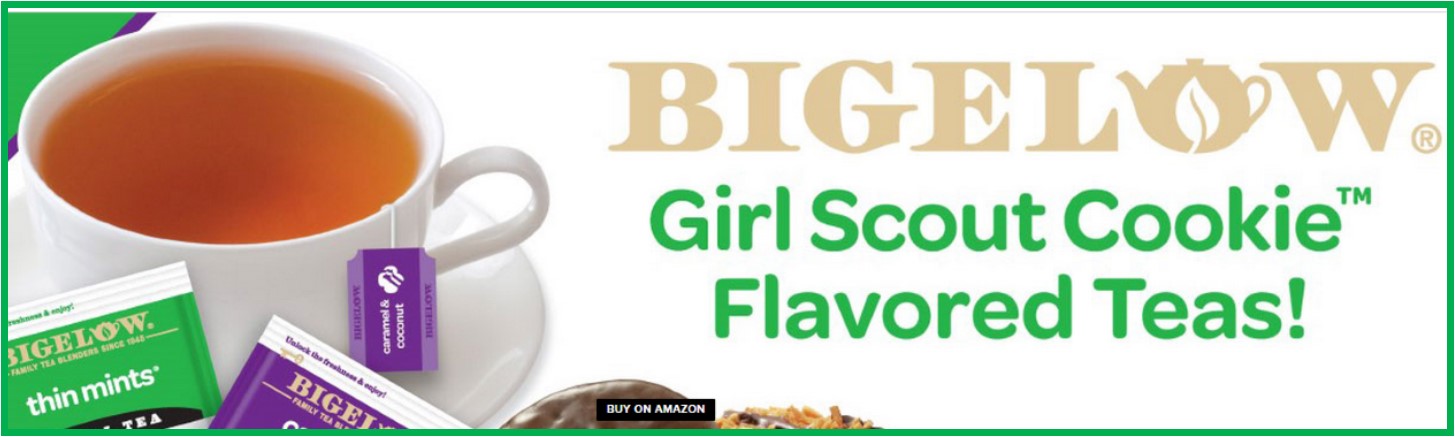 Bigelow President and CEO Cindi Bigelow is a former Girl Scout. “Once a Girl Scout, always a Girl Scout,” she said in a statement. “As a proud Girl Scout alumna, our two new tea temptations reflect the Bigelow Tea blenders’ never-ending quest to delight consumers with up-to-the-minute flavor innovations in a way that’s very special to me.”
Only about 5 percent of companies nationwide have female CEOs, including Cindy Bigelow, who has been involved with the family business in one way or another since she was a teenager. Bigelow, who represents the third generation in her family to run the business, said it's the personal touch that keeps the company successful. The company was founded in 1945 by Cindi Bigelow's grandmother, Ruth Campbell Bigelow.
“These delicious teas are made possible by a licensing arrangement with Girl Scouts of the USA and combine the renowned flavor blending expertise of the Bigelow Tea Co. with the time-honored exciting Girl Scout Cookie flavors we all know and love,” the company said. The company-suggested price is $3.99 per 20-bag box.
The Thin Mint tea “delivers the perfectly balanced mint and chocolate flavor of the Girl Scouts’ famous Thin Mints cookies” and the Caramel & Coconut tea is described as a “black tea blend offering a delectable taste combination of luscious caramel and coconut,” the company explained.
Tea has been increasing in popularity, and now ranks as the second most consumed beverage in the world, after water, according to the Tea Association of the U.S.A. The wholesale value of tea sold in the U.S. grew from less than $2 billion in 1990 to more than $10 billion today. Bigelow has about $150 million in annual sales, according to a company news release, but it claims 24 percent market share in the specialty teas category, making it the industry leader.
As CEO, Cindy Bigelow initiated the Annual Bigelow Tea Community Challenge that has donated over $1 million to local charities and participates in volunteer projects that include Habitat for Humanity’s Adopt-a-Home program. Under her leadership, the company was one of the first in Connecticut to install solar panels to offset energy usage, and she has implemented other innovations that have earned Bigelow Tea the distinction of being a Zero Waste to Landfill company. Over the past several years, the company reports it has reduced our energy consumption by over 2.5 million kWh in the Fairfield plant through energy efficiency measures, resulting in a savings of over 2.7 million pounds of carbon, or the equivalent of planting 41 million trees.
As a family owned company for three generations, Bigelow Tea’s company culture includes a commitment to sustainability and fair business practices, "not only here at home but around the world. That’s why we’re proud to be part of the Ethical Tea Partnership, an organization that works with tea growers to establish methods for responsible conservation of the world’s tea fields and improve the lives of the beautiful people who work the," the company website points out.
https://youtu.be/6xQVEtve_d4
Portions of this story originally appeared in the Fairfield County Business Journal
 is to bring together professionals from every aspect of Connecticut’s tourism industry — including hotels, restaurants, casinos, tourist attractions, entertainment venues, historic sites, and cultural and arts institutions — to share best practices and learn from national tourism and travel experts. The statewide conference is managed by the DECD Connecticut Office of Tourism in partnership with the Connecticut Convention & Sports Bureau.
 igher education resources, a focus on New York City meeting planners, experts on capturing a share of the international tourist market, ways to maximize use of social media, Tourism Awards for outstanding industry leaders, and an array of workshops on areas including mobile marketing and group bus tours, as well as an exhibition of the most innovative products and services in the tourism sector, according to state officials. Cost for the conference is $99, for industry professionals.
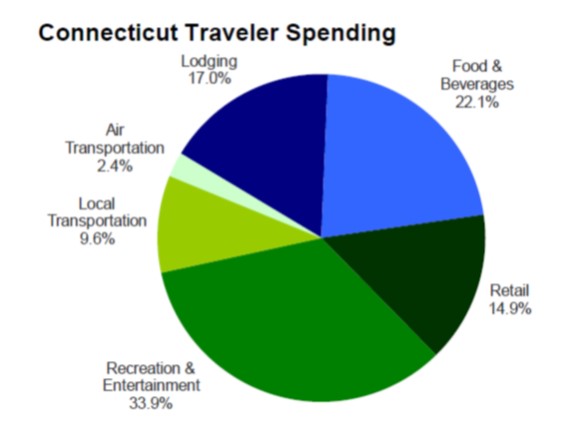 Traveler spending of $8.3 billion generated $14 billion in economic activity statewide in 2013, according to a study released recently by the office of Gov. Dannel P. Malloy. The study shows funds generated directly, through traveler spending, or indirectly, as employees, businesses and other beneficiaries turned around and paid for goods and services. Travelers to Connecticut destinations spent 3.0% more in 2013 than in 2012. Of all Connecticut travelers in 2013, nearly two-thirds were day travelers (66%). The tourism
sector supported more than 118,500 jobs in 2013, according to a recent state report.
 irectors, a Greenwich-based live action production company, is producing a series of six on-air commercials for the Connecticut Office of Tourism, working in conjunction with Avon ad agency


 Often referred to as a Tech Ethicist,


 Choose Hartford is a comprehensive initiative to scale up businesses that will create a sustainable regional economy with long-term growth prospects and jobs. The plan aims to increase access to innovative capital options along with an across-the-board effort to ensure collaboration of local, regional, state and federal partners to create the best entrepreneurial ecosystem in the country.


 The global Save the Children movement currently serves over 143 million children in the US and in more than 120 countries.




 Gary Shapiro, president and CEO of CEA, said “The future of growth and economic prosperity in this country is most vibrant in places where policies and political climates serve to unleash the entrepreneurial spirit and can-do attitude that is part of our American DNA. Our hope is that states will use our Scorecard as a measurable guidepost to improve their policies supporting innovation.”
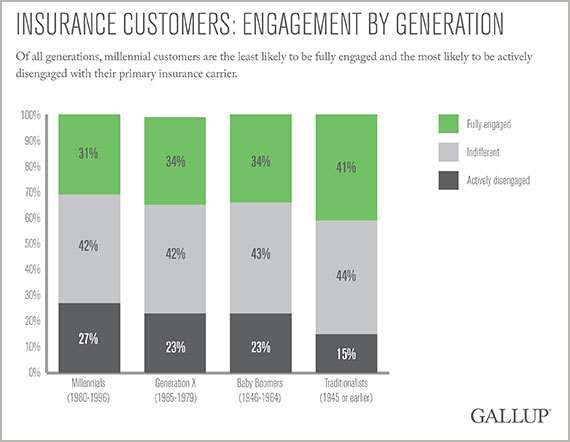

 According to a study by the U.S. Public Interest Research Group, Americans are driving fewer total miles today than eight years ago, and driving fewer miles per person than we did in 1996. It is a reversal after decades of steady growth.
 st over 80 percent, according to a University of Michigan study, the website noted. If you don’t own a car, you don’t need car insurance.




















