CT's Blockchain Working Group Strives to Drive State Policy in Emerging Field
/It was established in the final hours of the 2018 legislative session, and held its first meeting the following month, back in June. Special Act 18-8 created Connecticut’s Blockchain Working Group, with little fanfare and less notice. The objective: make recommendations to the incoming 2019 legislature that will “help promote innovation and economic growth by reducing barriers to and expediting the expansion of the state's blockchain industry.” While the Task Force was getting started, another blockchain initiative was grabbing headlines. Seven Stars Cloud announced in early July that it was planning to purchase the former University of Connecticut campus in West Hartford to develop a $283 million financial technology hub that would attract more than 50 companies, along with a research institute and training center, with blockchain technology being the centerpiece.
Local zoning approvals are pending, and the state has agreed to loan the company $10 million for renovations to the 58-acre property, and to forgive the loan if the company employs 330 people there over five years. In late August, the company changed its name to Ideanomics.
The legislation calls for the leaders of the legislature’s Commerce Committee – Republicans and Democrats – to jointly appoint and convene a working group to develop a master plan for fostering the expansion of the blockchain industry in the state and recommend policies and state investments to make Connecticut a leader in blockchain technology. It calls for the “master plan” to:
- Identify the economic growth and development opportunities presented by blockchain technology;
- assess the existing blockchain industry in the state;
- review workforce needs and academic programs required to build blockchain expertise across all relevant industries; and
- make legislative recommendations that will help promote innovation and economic growth by reducing barriers to and expediting the expansion of the state's blockchain industry.
A final report and recommendations is due on January 1, 2019.
The Working Group, which met initially on June 28 in Stamford, is chaired by Nick Kammerman of Westport-based Chateaux. Members include David Noble (UConn Business School), Don Tirea (Checkmate Inc.), Jamil Hasan (Blockchain Consultant), Kevin Hart (Green Check Verified), Emily Goodman Binick (Blockchain Consultant), Margaret Feeney (Nat West Markets), Bryant Eisenbach (DappDevs), Spencer Curry (Trifecta Ecosystems), Philip Bradford (UConn Engineering School) and Stephen Ehrlich (Crypto Trading Technologies). Legislators participating in the Working Group are Senators Joan Hartley and L. Scott Frantz and Representatives Caroline Simmons and Dave Yaccarino. State Economic and Community Development Commissioner Catherine Smith serves as an ex-officio member.
Among the tax treatments the Working Group discussed preliminarily at the meeting, according to the official Minutes, were creating “tax incentives for companies that create blockchain products or use them who are currently in the state or coming to the state,” “changing laws to give blockchain industries access to banks in order to pay taxes,” and “figuring out how the state of Connecticut can implement a system to help blockchain/cryptocurrency companies and individuals pay taxes and fees.”
Testifying in support of the legislature this spring, Spencer Curry, CEO and co-founder of Trifecta Ecosystems, explained that “blockchain stands to revolutionize global industries by creating new revenue models and driving costs down on existing revenue models, automating processes with smart contracts, increasing traceability/visibility, and hardening security to malicious attackers.”
Supriyo B. Chatterjee of West Hartford noted that “blockchain has arrived in the Connecticut industries andwith it brings high-vbalue jobs that will contribute significantly to the Connecticut economy.” He pointed out that blockchain will have a “profound effect on the health sciences industry,” as well as the insurance industry and STEM jobs, and will “fundamentally change the distribution of goods and services worldwide.”
Curry went on to suggest that “supporting this technology will benefit Connecticut’s workforce through an infusion of excellent talent from around the world. If the State does not embrace blockchain technology, it … will only hasten the corporate flight from our state.” He said that “if the State chooses to empower companies exploring blockchain technologies, then a new wave of prosperity and success awaits these tried and true Connecticut industries,” such as insurance, advanced manufacturing, healthcare, financial, agriculture and military supply chain.
Commissioner Smith, one of the seven people to submit testimony on the bill, told the Commerce Committee at the March public hearing that the department lacks “the in-house expertise to conduct an informed analysis” of “all facets of blockchain technology.” The original version of the bill included $200,000 allocation for the Department of Economic and Community Development to conduct the study. The Senate amendment eliminated the funding allocation.
Don Tirea of DappDevs indicated that a blockchain initiative that “incentivizes research and development for enterprises and startups, coupled with a highly skilled tech talent pipeline is a recipe for economic revitalization across Connecticut’s historic industries. He added that embracing blockchain technology would create a “shift in our nation’s perspective of Connecticut’s ability to innovate”
Co-sponsors of the original legislation (Senate Bill 443), which was later amended in the Senate, included Senators Michael McLachlan, Heather Somers, Scott Frantz, and George Logan. House co-sponsors included Caroline Simons, Michael Winkler, Livvy Floren, Laura Devlin and Linda Orange.
 “I am delighted the city has joined Sustainable CT in our latest efforts to develop and implement sustainability and renewable energy initiatives in Norwalk,” said Mayor Harry Rilling. “Being energy conscience is the right thing to do as we all have a moral obligation to lessen our environmental impact. I am glad the city has taken a leadership role and joined this important sustainability initiative.” Norwalk’s Council approved the resolution to join Sustainable CT in mid-August and designated the Common Council Planning Committee as the “Sustainability Team” for the program. Norwalk was officially registered with Sustainable CT on August 24.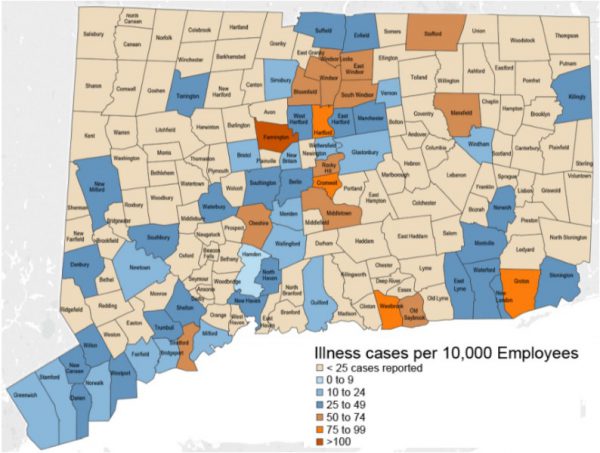
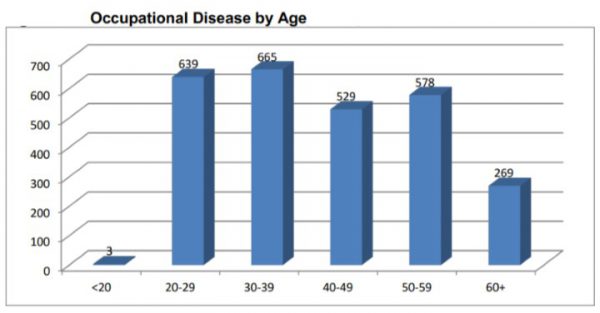 These higher town rates often reflect the locations of large employers in higher hazard industries, and may also reflect better reporting of cases, since cases of occupational illness are often not reported, the study points out.

 Trumbull First Selectman Vicki Tesoro has expressed reservations, encouraged public comment, and kept an open mind. In a public
 The Fix Connecticut campaign centers on a five-point plan that outlines key policy steps designed to remove barriers to economic growth and leverage the state's many strengths, according to CBIA:
 Timex
Timex
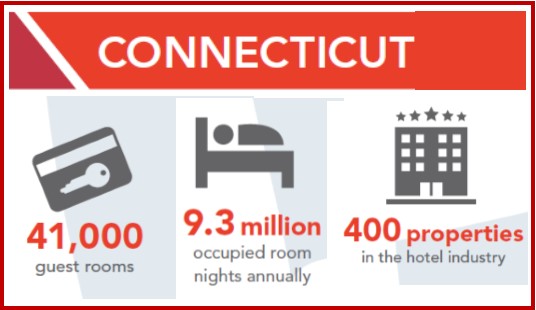 Overall, data for Connecticut compiled by the American Hotel & Lodging Association indicate that the state’s 400 properties in the hotel industry generate 55,000 hospitality jobs and 27,00 hotel hobs, which result in $4.4 billion guest spending at hotels, local businesses and on transportation. The industry contributes $5.1 billion to GDP.


 American Innovation $1 coins, to be issued at a rate of four new coins per year, will bear a reverse image or images emblematic of a significant innovation, an innovator, or a group of innovators from each of the 50 states, the District of Columbia, and the territories of the United States. Published reports indicate that the $1 coins would sell for more than face value — up to $1.32 — providing a healthy profit for the federal government since the coins cost less than 35 cents to make.