UConn Adds Major in Arabic and Islamic Civilizations; Southern Expands Drone Applications to Academic Minor
/If you’re wondering about the degree to which Connecticut universities are keeping up with world trends, the University of Connecticut and Southern Connecticut State University seem to indicate the answer is yes. UConn has approved a new major in Arabic and Islamic civilizations, developed to equip students with a working knowledge of the Arabic language, and allow them to explore classical Islamic civilizations, as well as the literature, culture, heritage, and intellectual life of the modern Arab world.
The program, housed in the Department of Literatures, Cultures, and Languages in the College of Liberal Arts and Sciences, stresses the many different aspects of the Arab world, and the different linguistic, cultural, and religious traditions that shaped it.
At Southern, a new interdisciplinary minor in Drone Applications has a decidedly journalistic flavor, but extends to provide a basis for careers utilizing the rapidly unfolding drone technology.
Approved by the UConn Board of Trustees this summer, the Arabic and Islamic civilizations major appeals to students who are studying in many other areas, including the sciences. Some students are native speakers of Arabic or have a Muslim background; others are not sure what it means to be “Arab” or to be “Muslim,” and so come to learn, according to program director and assistant professor of literatures, cultures, and languages Nicola Carpentieri, who spoke recently with UConn Today.
UConn is unusual in offering such a robust program in the language. “The program is unique in the U.S. in that we delve so much into Arabic literature, poetics, and other cultural aspects such as music, science, art, and architecture,” Carpentieri noted. “That’s what sets it apart.”
“Students in our classes come from all majors, but they are curious and motivated students,” Carpentieri said. “They may have seen bad press about the Arab world. But they’re open-minded, and aware that simplistic divisions are fabrications. We want to shatter the binaries of East and West.”
Students in the program take courses in both classical Arabic, or the formal version of the language used in education and literature, and other dialects, like Media Arabic and Levantine Arabic. It’s especially useful to learn these types of “street language,” Carpentieri points out.
Unlike most other languages, Arabic gives its speakers access to many different nations and cultures, including Egypt, Lebanon, Morocco, Saudi Arabia, Tunisia, and others. In addition, students in the major will learn about the many influences that Muslim conquests had on the Europe we know today.
The Journalism Department at Southern now offers an interdisciplinary minor with the Geography Department in Drone Applications. Students study how drones (small unmanned aerial systems) are employed for geography, environmental sciences, journalism and other industries. This interdisciplinary minor prepares students with the fundamental knowledge, skills and experience in the technological, legal and ethical considerations and applications of drones in various fields.
The minor is aimed at students who are interested in learning about emerging drone technologies and how they can be applied to professional settings. It complements environmental sciences, geography, journalism and communication programs.
The 18-credit minor requires courses such as Basic Drone Technology, Drone Journalism, Introduction to GIS and Remote Sensing or Advanced Drone Journalism.
The coursework focuses on flying drones for the purposes of news gathering in both image and data applications and includes the legal, ethical, and safety requirements for flying drones and reviewing necessary requirements for getting licensed by the FAA.
The drone courses are taught by Assistant Professor of Journalism Vern Williams, who has more than two decades in news photography and served as photo director of the New Haven Register for 15 years, where he supervised the photographic and video coverage of the news. His teaching experience includes work at Southeastern Associated Press Managing Editors Association, University of South Carolina, and Cornell University.

 Marion Manufacturing Company, located in Cheshire, will offer visitors a “first-hand look at manufacturing in today’s high tech world.”
 e the community a better place.”


 Just over a decade later, her business acumen and history of public service put her on a ticket for statewide office. In 1990, New Haven-area Congressman Bruce Morrison won a primary to be the Democrats choice for Governor, former U.S. Senator Lowell Weicker started his own political party to launch is comeback with a candidacy for Governor, and Republicans nominated another Congressman, John Rowland of Waterbury.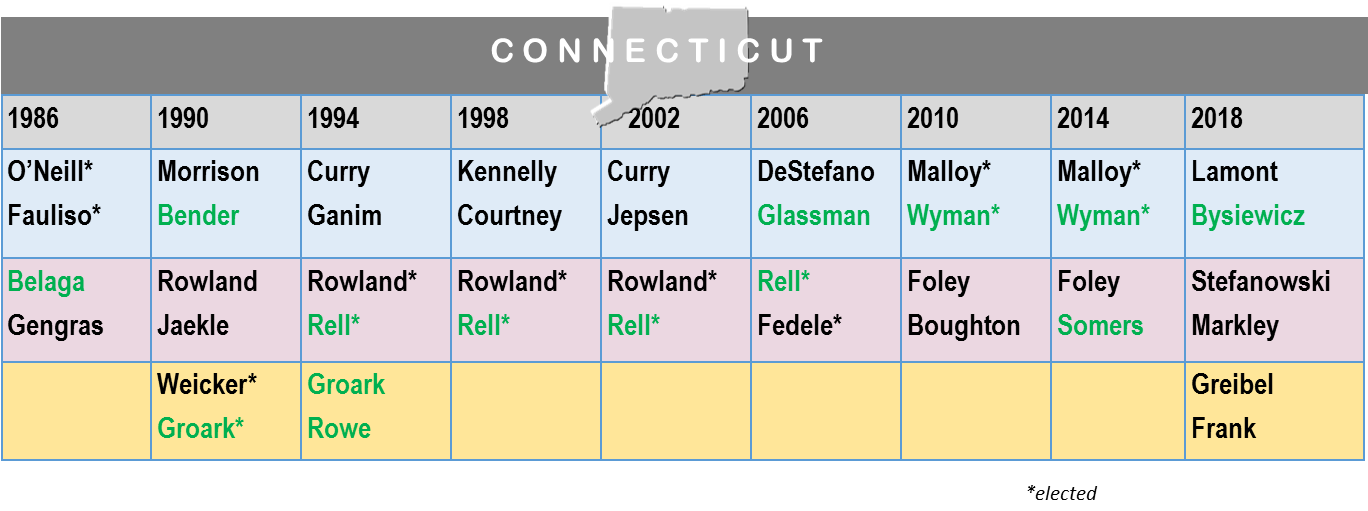
 She is also remembered as the Democratic candidate the first time two women were on the November ballot for Lieutenant Governor of Connecticut. That occurred again in 1994 and 2014. At least one woman has been a candidate for Lieutenant Governor or Governor - or both - in every election cycle since 1986, and Connecticut's voters elected Nancy Wyman to serve as Lieutenant Governor in 2010 and 2014, following one term of a man in that role, the only such term since 1990. This year, Susan Bysiewicz is on the ballot for that office. A woman has been elected either Governor or Lieutenant Governor in Connecticut in every election since 1990.
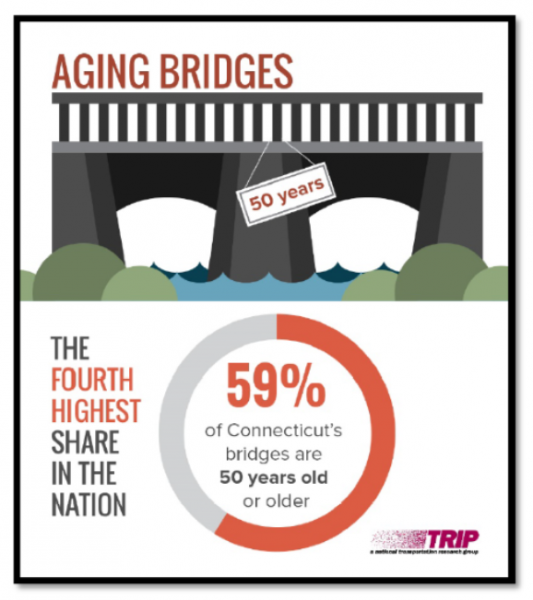 Yesterday, it was announced that 59 percent of Connecticut’s more than 4,000 bridges are 50 years or older, the fourth highest rate in the nation. The average age of all Connecticut’s bridges is 53 years, while the average age of the state’s 308 structurally deficient bridges – seven percent of the total - is 69 years. Structurally deficient bridges in Connecticut are crossed daily by 4.3 million vehicles.
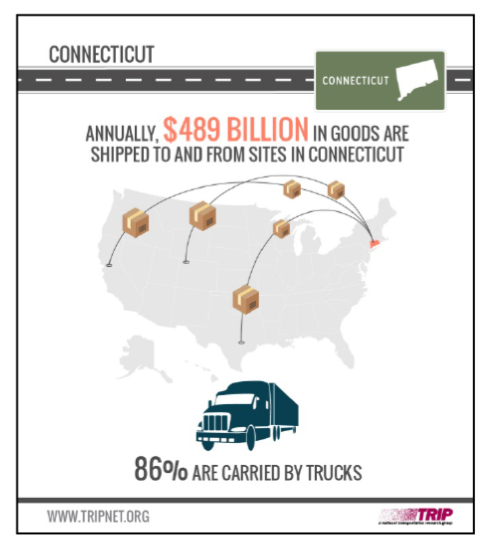 The report also noted that “annually, $489 billion in goods are shipped to and from sites in Connecticut, largely by truck,” adding that “approximately 731,000 full-time jobs in Connecticut in key industries like tourism, retail sales, agriculture and manufacturing are completely dependent on the state’s transportation network.”
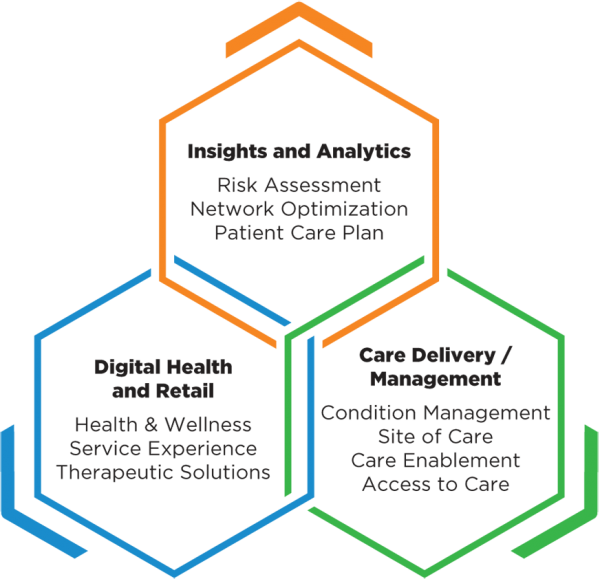 Companies in the portfolio, according to published reports, include Omada Health, a digital therapeutics company treating chronic diseases; Prognos, a predictive analytics company for healthcare; Contessa Health, a home-patient care service; Mdlive, which provides remote health consultations; and Cricket Health, a special kidney care provider.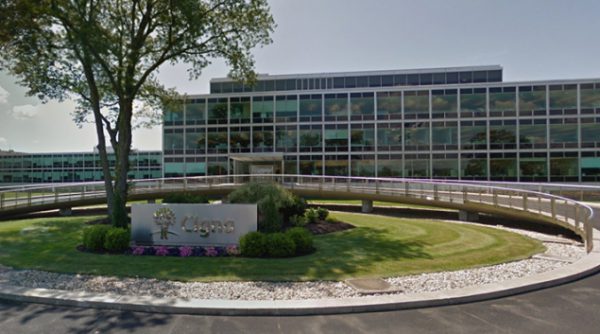


 “I am delighted the city has joined Sustainable CT in our latest efforts to develop and implement sustainability and renewable energy initiatives in Norwalk,” said Mayor Harry Rilling. “Being energy conscience is the right thing to do as we all have a moral obligation to lessen our environmental impact. I am glad the city has taken a leadership role and joined this important sustainability initiative.” Norwalk’s Council approved the resolution to join Sustainable CT in mid-August and designated the Common Council Planning Committee as the “Sustainability Team” for the program. Norwalk was officially registered with Sustainable CT on August 24.