Marijuana Sales Begin Tuesday in MA; CT Expected to Consider Legalization in 2019
/Massachusetts begins the sale of recreational marijuana on Tuesday, in Northampton and Leicester, as Connecticut looks ahead to a new Governor and new legislature, taking office in six weeks, with the addition of recreational sales on the agenda to complement a thriving medical marijuana program.
Thirty-three states and the District of Columbia currently have passed laws broadly legalizing marijuana in some form. The District of Columbia and 10 states -- Alaska, California, Colorado, Maine, Massachusetts, Michigan, Nevada, Oregon, Vermont and Washington -- have adopted the most expansive laws legalizing marijuana for recreational use, according to Governing magazine. The Massachusetts law was approved two years ago, but retail sales have not begun - until this week.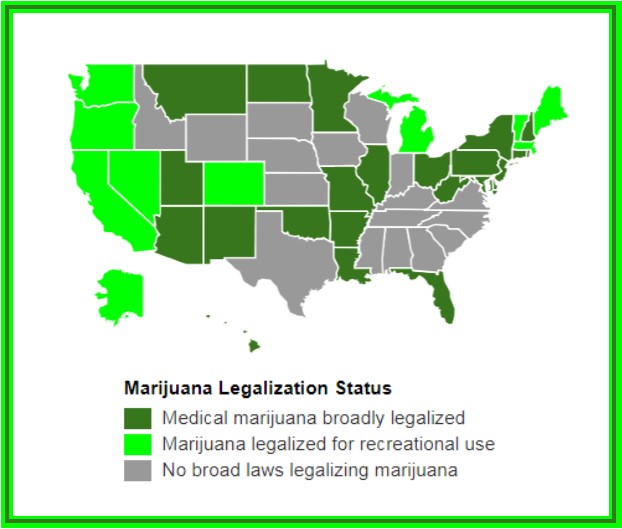
Governor-elect Ned Lamont told Connecticut Public Radio listeners, just a few days prior to his election, that “I think legalizing marijuana is an idea whose time has come…and I’m gonna push it in the first year” of the new administration. He added that “maybe we should tax this, regulate it in a serious way, put some of that money toward opioid treatment.”
Most recently, Michigan voters approved a ballot measure permitting adults age 21 and over to purchase and possess recreational-use marijuana. Vermont became the first state earlier this year to legalize marijuana for recreational use through the legislative process, rather than via a ballot measure. Vermont's law allows for adults age 21 and over to grow and possess small amounts of cannabis. However, it does not permit the sale of nonmedical cannabis. Some other state laws similarly decriminalized marijuana, but did not initially legalize retail sales.
The Connecticut General Assembly's Regulations Review Committee agreed last week that chronic neuropathic pain associated with degenerative spinal disorders is eligible for treatment with the drug, adding that to the list of approved conditions. There are now 31 conditions that have been approved for adults and eight for patients under 18 that can be treated with medical marijuana. Minors can be treated for eight conditions.
There are currently 29,543 patients in Connecticut's medical marijuana program and 1,000 certifying physicians, according to published reports. In recent months, DCP has launched a database listing medical marijuana brands registered with the state and added eight new conditions to the program. The eight new conditions for adults added this summer include: Spasticity, or neuropathic pain associated with fibromyalgia; Severe rheumatoid arthritis; Postherpetic neuralgia; Hydrocephalus with intractable headache; Intractable headache syndromes; Neuropathic facial pain; Muscular dystrophy; and Osteogenesis imperfecta.
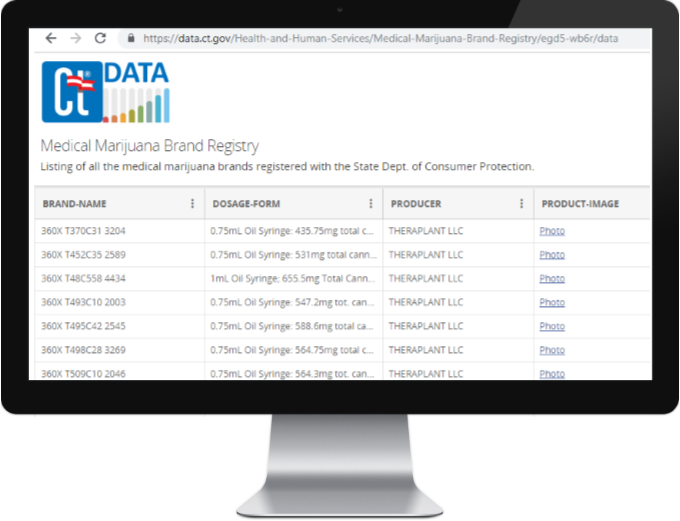 Connecticut’s nine dispensaries and four growers are reportedly discussing adding more storefronts and growers in light of an increasing patient count.
Last month, Rhode Island’s Department of Health this week approved medical marijuana use for people who suffer from some severe manifestations of autism, most of whom are children. But before doctors can recommend marijuana, the health department has implemented several safeguards "to ensure that patients are being treated safely." Seven other states have made autism a qualifying condition for medical marijuana, according to advocacy group #cannabis4autism: Delaware, Georgia, Louisiana, Michigan, Oregon, Minnesota and Pennsylvania.
At the University of Connecticut, Professor Gerald Berkowitz will teach students about marijuana growing, a burgeoning industry as more states legalize cannabis use for medical and/or recreational purposes. The UConn class — called "Horticulture of Cannabis: from seed to harvest" — is a lecture course, and it's attracted about 270 students who will begin studies in January, Hartford Business Journal reported this month.
In Colorado, the adult-use marijuana market continues to surge nearly five years after the launch of recreational sales in the state, according to a recent news report. Through August 2018 – the most recent data available from the Colorado Department of Revenue – recreational marijuana sales topped $800 million and the state is on pace to surpass $1.2 billion by the end of the year. That would represent a 12 percent increase over total sales in 2017. As of August 2017, 498 recreational stores were licensed throughout the state; that number grew to 541 by September 1, 2018 – a 9 percent increase

 “Girl Scouts is one of our nation’s most powerful leadership training grounds for young women,” said Openshaw. “We’re thrilled to support Girl Scouts as it seeks to modernize and remain relevant for young women in the new global economy.”
 t have increased as much in comparison to other states, but isn’t the real question, ‘Why is it increasing at all?’” Luis Perez, president and CEO of
 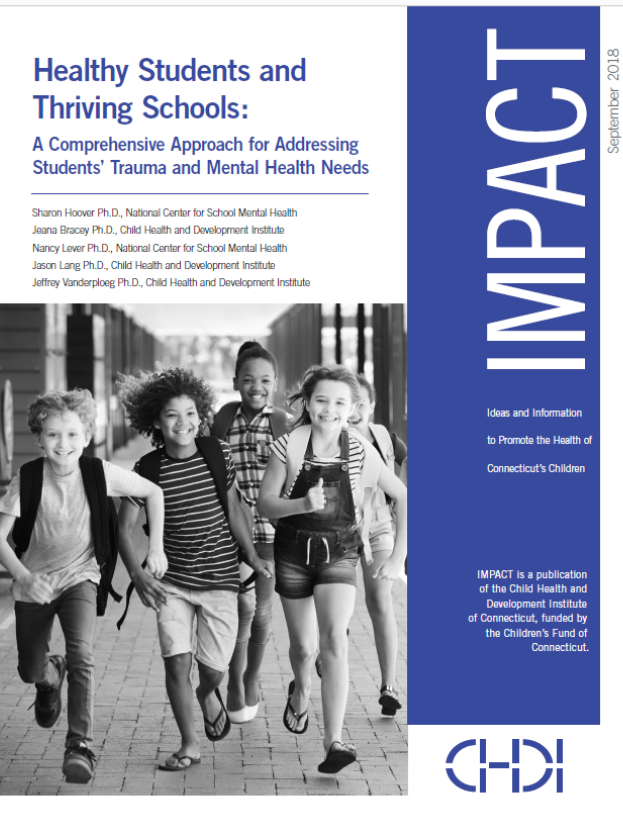 The 40-page report, developed by The Child Health and Development Institute of Connecticut (CHDI), a subsidiary of the Children’s Fund of Connecticut, in partnership with the national Center for School Mental Health at the University of Maryland, provides a framework for policymakers and school districts interested in improving outcomes by addressing the mental health and trauma needs of students. The report indicates that “in a typical classroom of 25 students, approximately five will meet criteria for a mental health disorder but most of them are not receiving appropriate mental health treatment or support. Among those who do access care, approximately 70 percent receive services through their schools.”
 “Approaching student mental health with a comprehensive lens that integrates health promotion, prevention, early intervention, and more intensive treatments leads to better school, student and community outcomes," said Dr. Sharon Hoover, Co-Director of the Center for School Mental Health at the University of Maryland and lead author of the report.
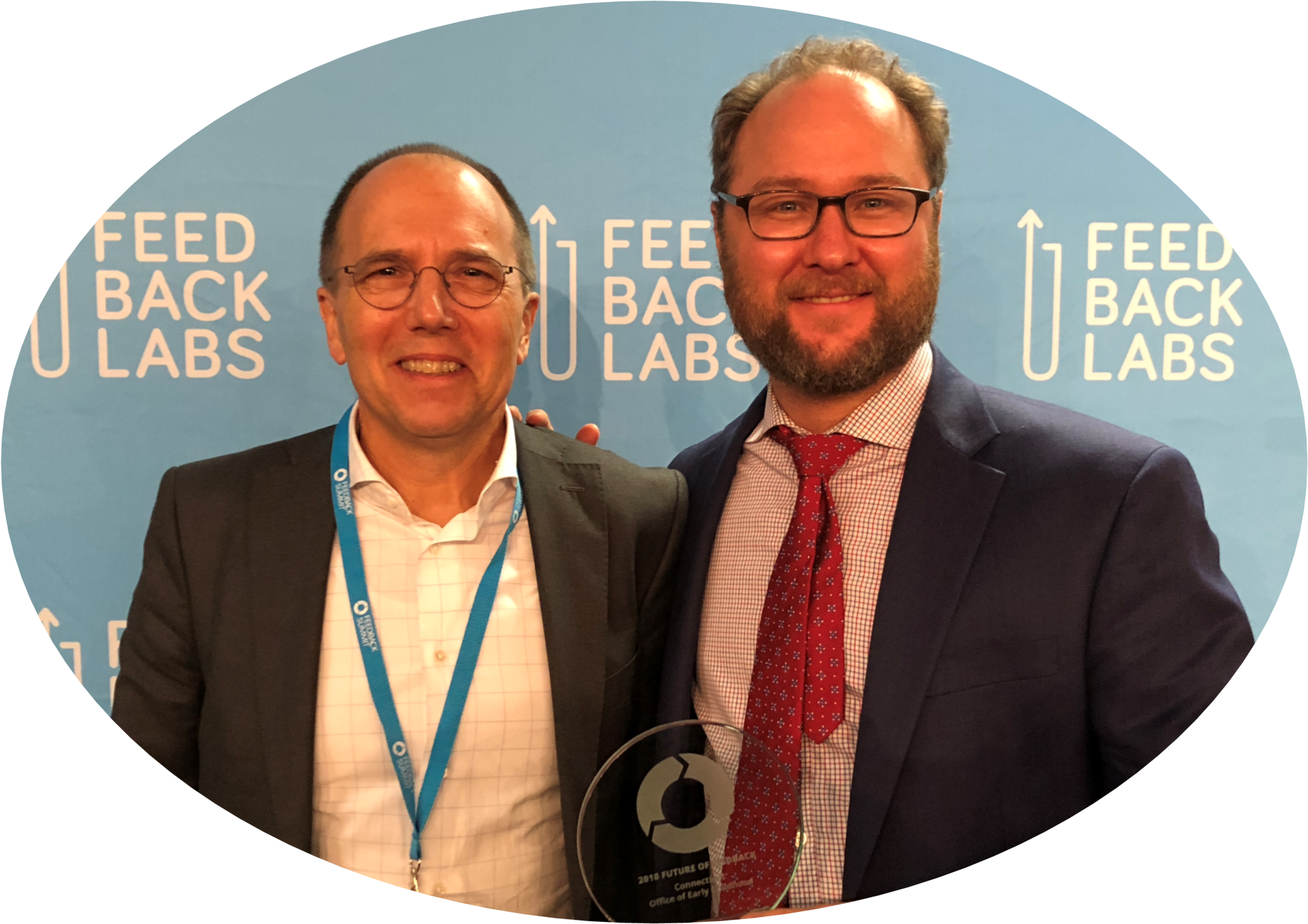 Among the 10 largest state agencies in Connecticut, OEC’s goal is to keep the state’s children safe, healthy, learning and thriving. Through its innovative feedback efforts, the agency is acting on evidence that engaging providers and parents in policymaking yields better results. Officials said that the agency combined data from 1,700 family surveys, another survey shared with all providers in the state, and 400 community and provider meetings in order to build a draft plan to transform the ECE system in the state, which serves 200,000 children.


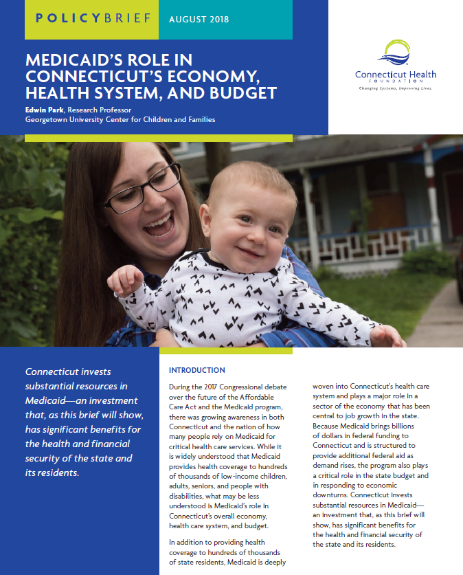
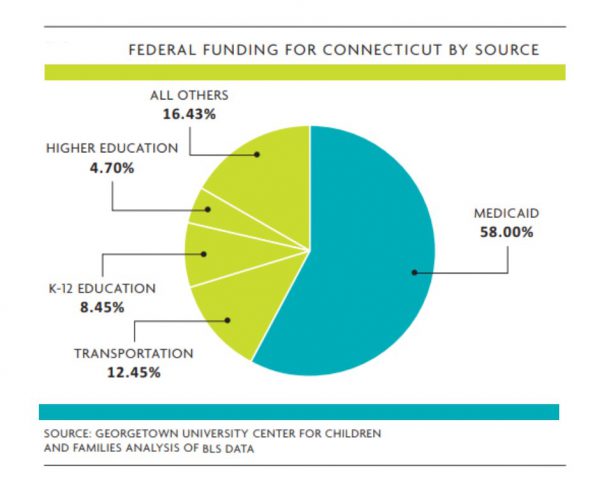 Among the report’s other key findings:

 Atop the rankings in the pediatric specialty were Children’s National Medical Center (Washington, DC), Children’s Hospital of Philadelphia, Boston Children’s Hospital, Children’s Hospital Colorado, Cincinnati Children’s Hospital Medical Center, Rainbow Babies and Children’s Hospital (Cleveland), UCSF Benioff Children’s Hospital of San Francisco and Oakland, New York-Presbyterian Morgan Stanley-Komansky Children’s Hospital, St. Louis Children’s Hospital-Washington University, and C.S. Mott Children’s Hospital – Michigan Medicine (Ann Arbor).
 e, infection rates in the NICU and other data collected from a detailed U.S. News clinical survey of children's hospitals, produced 85 percent of each hospital's score. The other 15 percent reflects nominations from pediatric specialists and subspecialists who responded to surveys in 2016, 2017 and 2018 and recommended the hospital for serious cases in their specialty.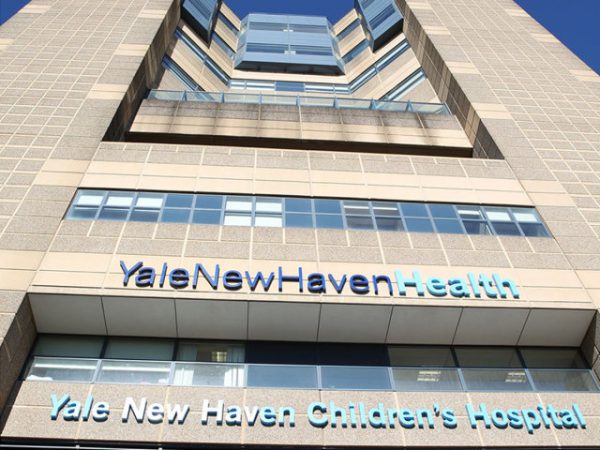


 The review of the research, conducted by Connecticut-based Rodriguez Data Solutions, points out that policymakers often promote K-12 regionalization as a way to achieve cost savings, but often fail to consider the consequences for student educational achievement. The report reviewed initiatives to promote K-12 regionalization in several states including Connecticut, Maine, New York and Vermont. Among the findings: