Link Literacy and Social-Emotional Skills to Improve Children’s Success in School, Report Urges
/Experts agree that there is a deep connection between social-emotional development and literacy in children’s early school success including achieving reading proficiency in the early grades – and it turns out that the benefits of effectively making those connections sooner rather than later are significant, and can endure for a lifetime.
A new report from the Child Health and Development Institute of Connecticut (CHDI), “Connecting Social and Emotional Health and Literacy: Critical for Early School Success,” explores the interplay between young children's social-emotional development and early literacy and language skills, and “elevates awareness of the connections between these essential competencies,” according to CHDI and the report’s researchers.
The detailed 36-page report provides examples of linking strategies and outlines recommendations with the goal of accelerating actions by states and communities to advance children's readiness for school and successful educational achievement.
“Early cognitive and social-emotional skills are interactive and woven together - like strands of a rope,” notes Ann Rosewater, lead author of the report and co-leader of the Connecticut Peer Learning Pilot on Social-Emotional Development and Early Literacy. “The strategies and tools in this report will help communities implement approaches to align children’s literacy and social emotional health.”
The report urges a series of coordinated state actions to advance the linkage and integration of supports for children’s social-emotional health and learning:
- Align systems that address social-emotional development and literacy
- Increase support and education for parents
- Invest in professional development for those working with young children
- Institute universal and routine screening for social-emotional development and
- appropriate follow-up
- Expand the reach of evidence-based practices and programs
- Focus attention on special populations
 The recommendations are drawn from the experiences of nine communities in Connecticut that explored researched-based strategies over the past year, to link supports for social-emotional and literacy skills. The effort was part of the Connecticut Peer Learning Pilot on Social-Emotional Development and Early Literacy, developed and led by the Campaign for Grade-Level Reading, in partnership with the National Center for Children in Poverty and with support from the Irving Harris Foundation and others.
Participating community teams represented Campaign for Grade-Level Reading and William Caspar Graustein Memorial Fund Discovery Initiative coalitions from Bridgeport, Colchester, Danbury, Enfield, Norwalk, Torrington, Vernon, West Hartford, and Winchester. Their involvement, according to the report, “catalyzed notable progress in most participating communities, building on significant efforts their collaboratives had undertaken before engaging in the initiative.” The communities “found reinforcement, inspiration and impetus to pursue as vigorously as their circumstances allowed strategies that recognized and promoted the relationship between children’s social-emotional health and literacy and language skills,” the report concluded.
In addition to urging state action, based on these experiences the report highlighted steps that can be taken at the community level to promote school success by reflecting the understanding that literacy and social-emotional development build on and reinforce each other.
Promising strategies used by communities include the following:
- Raise community awareness and reinforce community efforts to integrate social emotional and literacy skills fundamental to success in school and life
- Promote nurturing parent-child relationships, which are essential to children’s social-emotional development and can simultaneously stimulate literacy learning
- Screen for social-emotional competencies, with appropriate follow up and intervention
- Enhance home visiting and book distribution programs
- Incorporate professional development related to the connections between social-emotional development and literacy for those working with young children
- Promote attendance in early education programs and the early grades
- Support special populations, particularly children living in poverty, dual language learners or those faced with potentially unstable environments (foster care or homelessness)
 The report indicates that “Far too many children are at a disadvantage in their development because they lack the language and literacy competencies they need to enter kindergarten, significantly hobbling their success in reading proficiently by the end of third grade. Disparities begin as early as infancy and become more pronounced in the toddler years, with children from families below 200 percent of poverty scoring lower than children from higher income families on measures of cognitive development.”
The report goes on to state that “At kindergarten entry age, only 48 percent of poor children are ready for school, compared to 75 percent of children from families with moderate or high income.”
The Child Health and Development Institute of Connecticut (CHDI), a subsidiary of the Children’s Fund of Connecticut, is a not-for-profit organization established to promote and maximize the healthy physical, behavioral, emotional, cognitive and social development of children throughout Connecticut. CHDI works to ensure that children in Connecticut, particularly those who are disadvantaged, will have access to and make use of a comprehensive, effective, community-based health and mental health care system.


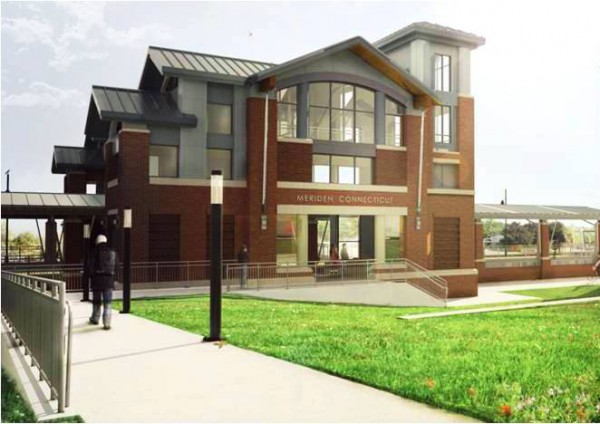
 for a proposed mixed use development project at 161-177 State Street, which is phase one of a multi-phase project that includes demolition of the Mills public housing project and implementation of the Harbor Brook Flood Control project north of the Hub site. The new building will be within walking distance of Meriden`s new Transit center.
 In February, the Connecticut Small Business Development Center (CTSBDC), the City of Meriden and The Midstate Chamber of Commerce announced the opening of the newest CTSBDC office, to be located at Meriden City Hall.
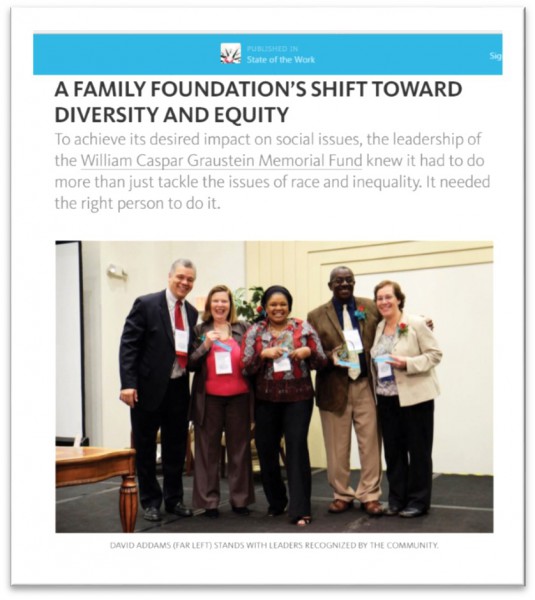 The D5 final report features stories about leaders in foundations and other philanthropic organizations taking meaningful action to advance DEI. “Storytelling is one of the most powerful ways to inspire action and change. We hope people working within foundations—whether they are a CEO, an HR manager or a program officer—draw on the important lessons from these stories, and apply them to their own unique situations,” said Kelly Brown, D5 Director. Kelly also cited statistics indicating that “when companies commit themselves to diverse leadership, they are more successful. Foundations and nonprofits,” she said, “have the opportunity to take a page from successful business playbooks.”
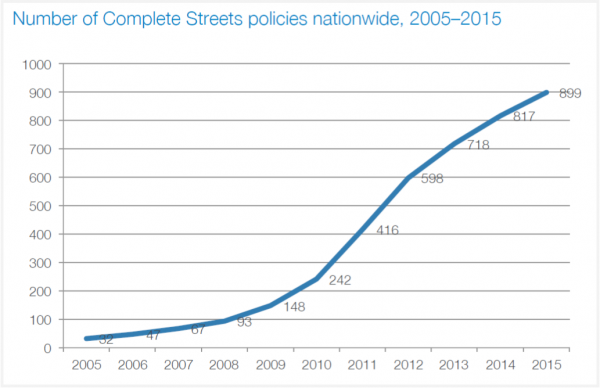
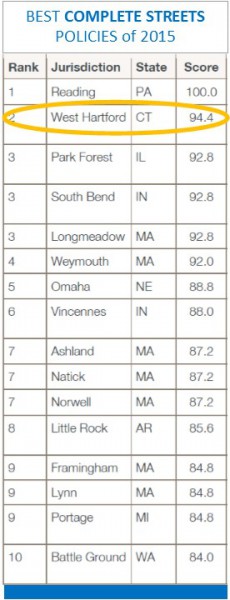 The U.S. Surgeon General and Secretary of Transportation both spoke out for more Complete Streets last year and Congress passed a transportation bill that included Complete Streets language for the first time ever.

 arlier this year, the University of Connecticut released
 The large majority is also present across the ideological spectrum, with 94 percent of registered Democrats, 79 percent of independents and 68 percent of Republicans indicating their support for state paid family medical leave to support Connecticut workers and family caregivers.
 One-thousand state voters age 25-plus were asked two questions about the paid family medical initiative, whether they supported such a plan, and whether they would support political candidates who did.

 “Any member of the public interested in the proposed acquisition of control may attend the hearing,” indicates a public notice of the hearing. In addition, “Any policyholder of Cigna HealthCare of Indiana, Inc., or other person whose interests may be affected by the proposed acquisition of control shall have the right to appear and become party to the proceeding.”




 Stamford has a public park named in his honor, recalling that Robinson represented tolerance, educational opportunity, and the confidence that inspires personal achievement and success. A life-size bronze statue of Jackie Robinson with an engraved base bearing the words “COURAGE,” “CONFIDENCE,” AND “PERSEVERANCE” stands in the park located on West Main Street, the gateway to downtown Stamford.
 “It brought back very personal memories of my father talking about his trip to Cuba in 1947, when the Brooklyn Dodgers trained in Havana. At the time, dad was a member of the Dodgers' farm team, the Montreal Royals. Branch Rickey arranged for him to fly to Cuba for an exhibition game, just a couple of months before he broke down baseball's color barrier in the United States. To me, this connection to my father almost brought me to tears. I was watching a baseball game in the same stadium nearly 70 years later.”