Progress Cited on Integrating Pedestrian, Bicyclist Safety Into State Transportation Projects
/What comes next at the Department of Transportation was on the minds of more than 150 advocates and enthusiasts gathered for the Annual Meeting of Bike-Walk Connecticut at Central Connecticut State University in New Britain this past weekend. The fast-approaching close of the Malloy administration may also mean the end of the tenure of DOT Commissioner James Redeker, who has not only walked the walked, but rode the ride in “building and delivering a comprehensive pedestrian and bicycle program.”
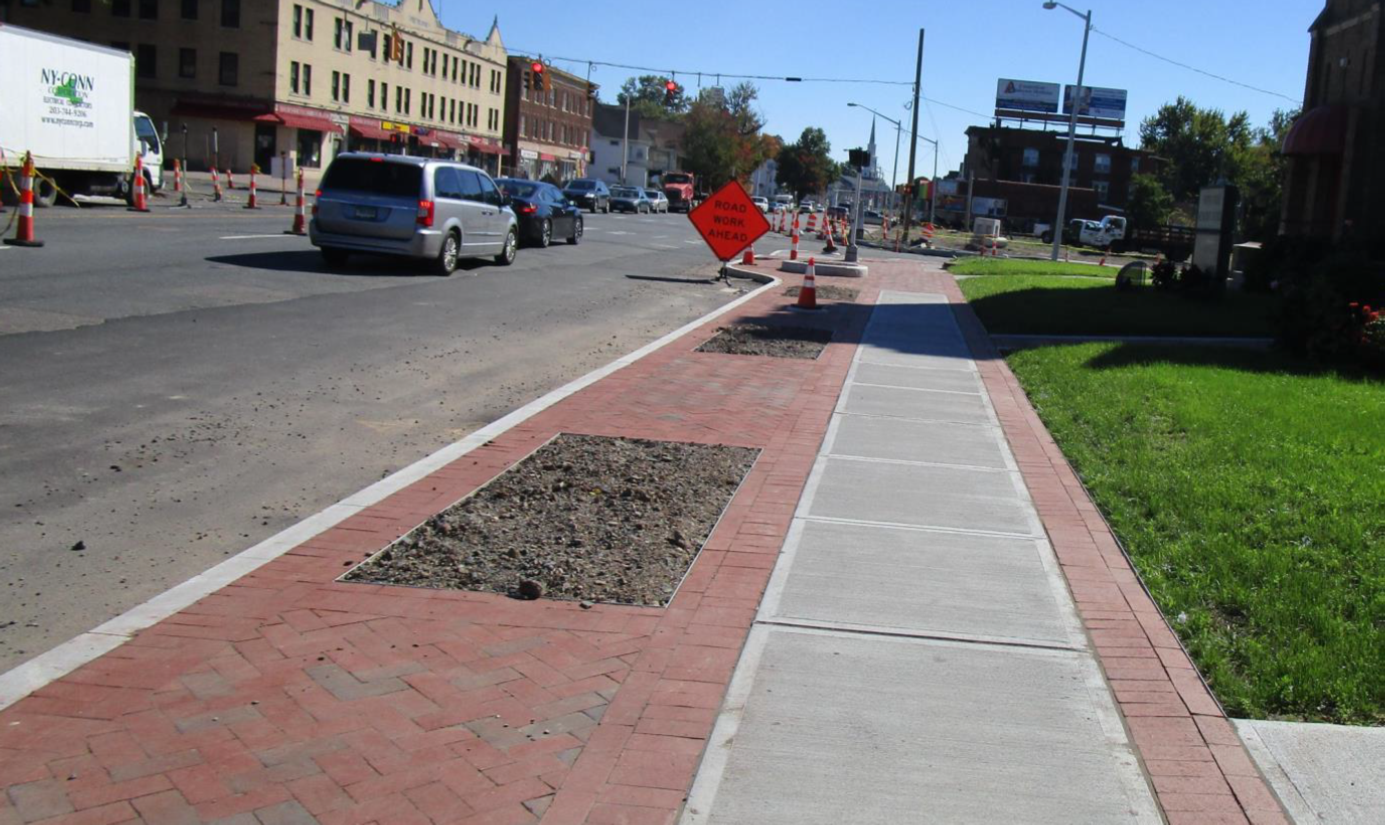 The accelerated change in attitude at DOT since Redeker took the helm in 2011 was evident in his being warmly introduced as a friend prior to his keynote address – not the adversary that previous vehicle-centric commissioners may have been. He went on to highlight the department’s work on state projects, and in concert with municipalities, that is steadily transforming Connecticut into a more pedestrian and bike-friendly state.
Redeker’s presentation demonstrated why. Among the highlights:
- Connecticut has or will be constructing 97 miles of multi-use trails along side road construction or reconstruction through 2021, and 35 miles of sidewalks accompanying road construction.
- A vendor-in-place resurfacing program has meant that 94 percent of roadways reconstructed have been restriped with wider shoulders, and roadway safety audits have been conducted on 145 miles of roadway and at 917 intersections.
- Enhanced pedestrian signage and pavement markets at uncontrolled crosswalks have been included in 1200 locations on state roads, with an additional 1500 locations planned for local roads in 2019. In addition 133 locations are planned for upgraded pedestrian controls at signalized intersections by 2020.
- 125 projects have been reviewed for Complete Streets design in 2017, with an additional 97 projects reviewed thus far in 2018. More than 80 Road Safety Audits have been conducted.
Driving the “absolutely amazing statistics” is a changed policy, Redeker said. Now, supporting “safe access for all users by providing a comprehensive, integrated, connected multi-modal network of transportation options” is ingrained at DOT. He noted that integrating trails is occurring regularly on major projects, with the goal of building a statewide trail system.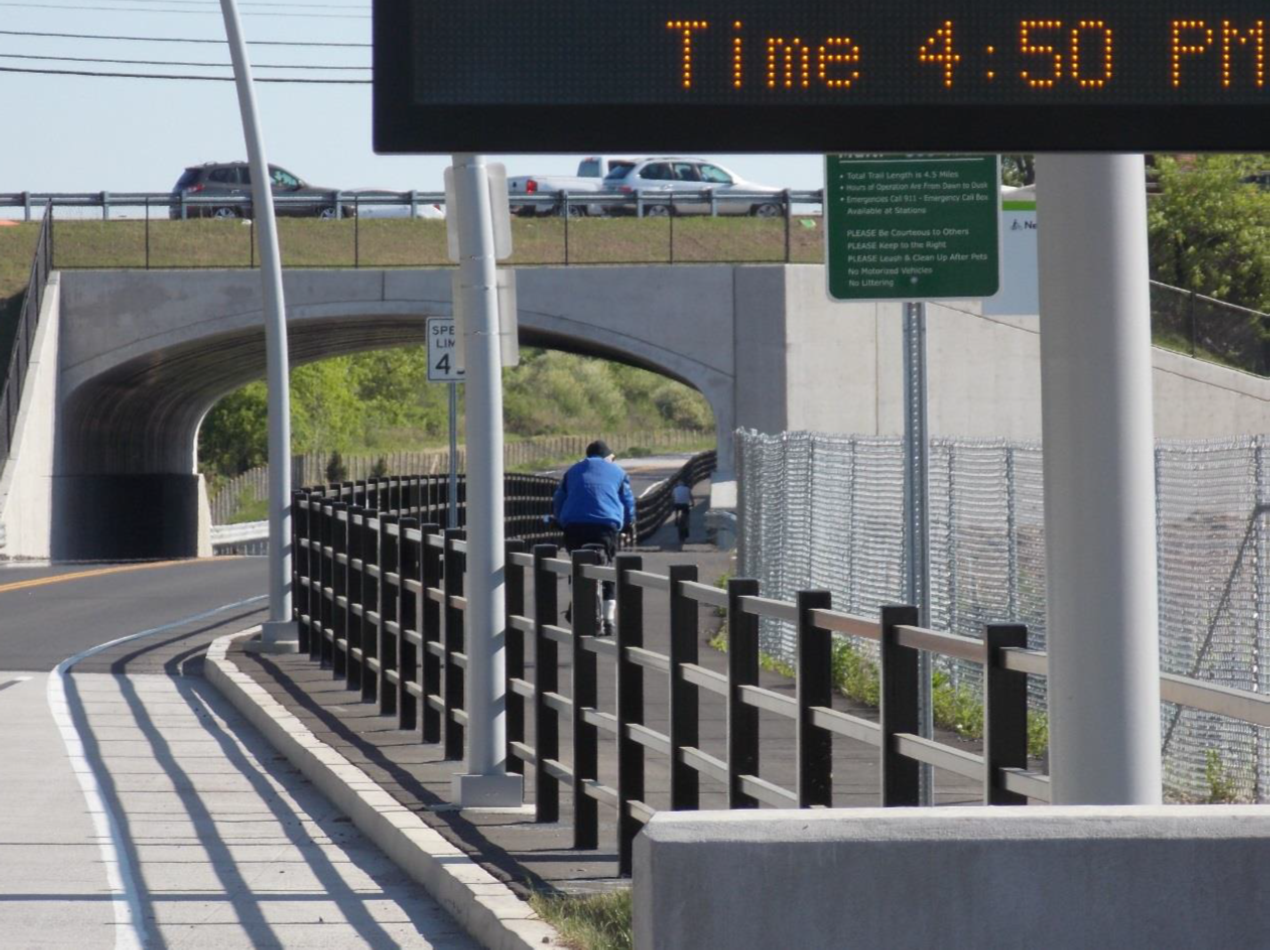
“Complete streets is now part of the DOT DNA,” Redeker explained. Responding to some who question the lack of such plans as part of the agency’s manual, Redeker cited the statistics, adding, “look at us for outcomes, not manuals.” The numbers – and the accomplishments - drew solid reviews in the room.
The agency’s Complete Streets program, established in 2014, established a new unit to review every project specifically for bicyclist and pedestrian needs, and requires project designers to evaluate and prepare a written assessment of pedestrian needs on every project. A standing committee was also formed to guide and implement policy and practices, Redeker pointed out.
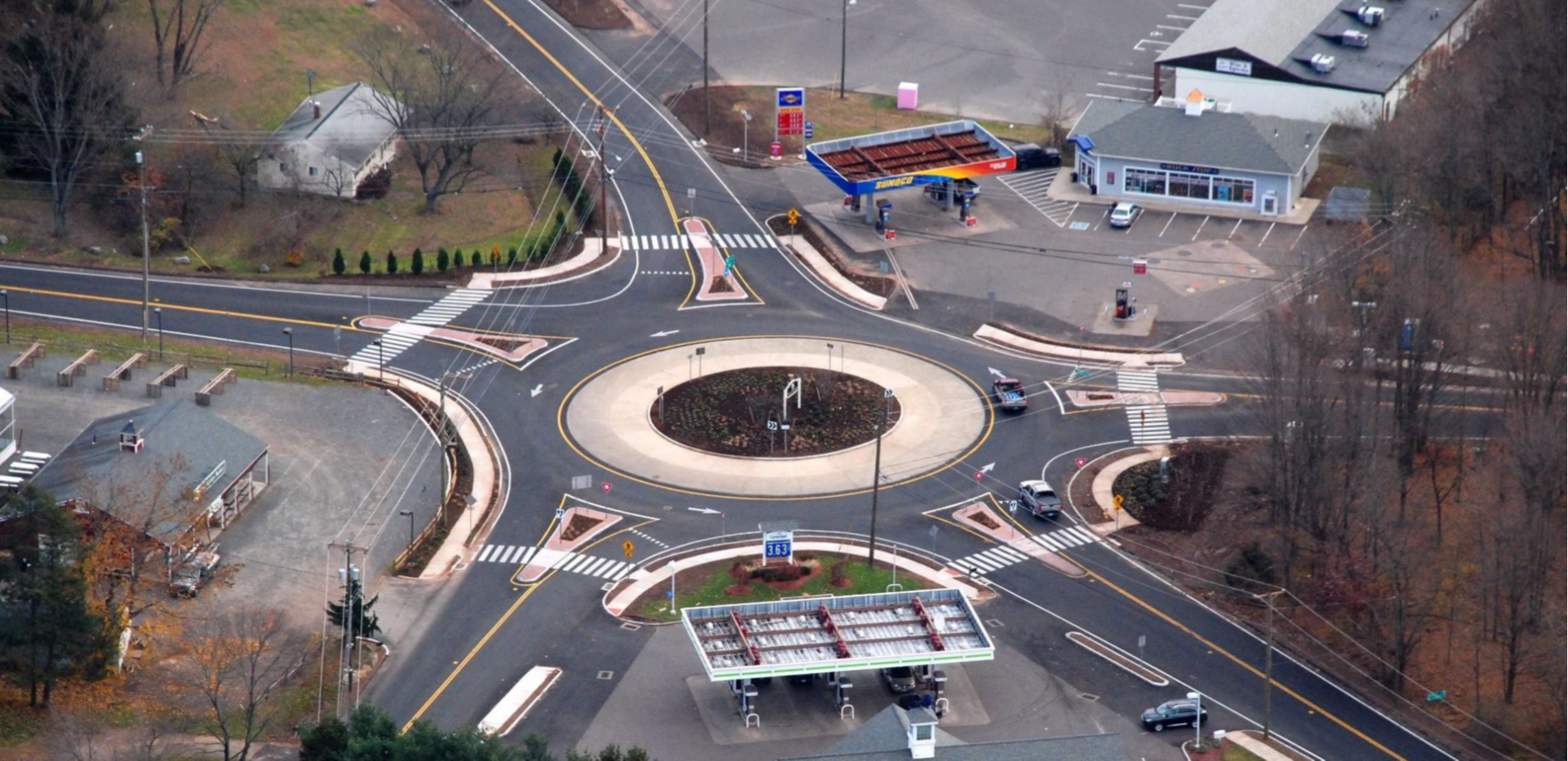
He noted that the changes are evident in large cities and small towns in Connecticut, from Hartford New Haven to Waterford and Washington. He also highlighted the introduction of roundabouts in Connecticut communities, including Monroe, Seymour and Ellington, and Community Connectivity Grants that have funded 40 small-scale local projects totaling $12 million, with another 40 to be requested for upcoming State Bond Commission agendas, with an estimated cost of $13.4 million.
Upgrades in school warning signs include the replacement of traditional yellow signage with fluorescent yellow-green to enhance visibility was completed in 2015. Pedestrian warning signs were replaced on state routes in 2017, and are on schedule to be upgraded on local routes in 2019 and include greater use of yield bars on pavement.
Upgrades in school wanting signs include the replacement of traditional yellow signage with fluorescent yellow-green to enhance visibility, and greater use of yield bars on pavement. Signs were replaced on state routes in 2017, and are on schedule to be upgraded on local routes in 2019. 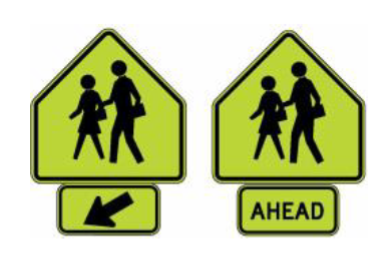
Traffic signals are also being replaced along state roadways, with “pedestrian safety our number one concern,” Redeker stressed. It is an extensive task. Connecticut has more traffic signals that exceed 30 years old, more than any other New England state and the 10th highest volume in the U.S.
Mention of the state’s “Watch For Me” campaign drew extended applause – the comprehensive initiative seeks to alert the public to the presence of pedestrians and bicyclists, to underscore the importance of assuring safety and police enforcement.

 Leading the way in the five-year analysis, released this month, are Barnstable in Massachusetts, at 13.7 percent employment growth; in New Hampshire it is Portsmouth at 10.1 percent, in Rhode Island, Providence/Warwick at 7.7 percent; Maine the greatest job growth has been in Portland/South Portland at 7.1 percent. Vermont is the only New England state with a leading city growing jobs at lower rate than Connecticut’s – Burlington/South Burlington at .8 percent. Only Alaska and Wyoming are lower, rounding out the 50 states.
 t have increased as much in comparison to other states, but isn’t the real question, ‘Why is it increasing at all?’” Luis Perez, president and CEO of

 The analysis, by the financial services website WalletHub, was based on 40 key indicators of livability, ranging from housing costs to school-system quality to restaurants per capita. The indicators were grouped into five categories – affordability, economic health, education & health, safety, and quality of life.


 The comprehensive assessment of Hartford’s ecosystem also noted that “Hartford’s [startup] founders claim to have the right ambition to go global,” concluding that “Hartford’s startups have more potential to strengthen Global Market Reach and Global Connectedness.” In a number of areas analyzed in the assessment, Hartford is seen as having potential to strengthen the local startup community, its reach beyond Hartford, and the demographic of startup teams.
 The 40-page report, developed by The Child Health and Development Institute of Connecticut (CHDI), a subsidiary of the Children’s Fund of Connecticut, in partnership with the national Center for School Mental Health at the University of Maryland, provides a framework for policymakers and school districts interested in improving outcomes by addressing the mental health and trauma needs of students. The report indicates that “in a typical classroom of 25 students, approximately five will meet criteria for a mental health disorder but most of them are not receiving appropriate mental health treatment or support. Among those who do access care, approximately 70 percent receive services through their schools.”
 “Approaching student mental health with a comprehensive lens that integrates health promotion, prevention, early intervention, and more intensive treatments leads to better school, student and community outcomes," said Dr. Sharon Hoover, Co-Director of the Center for School Mental Health at the University of Maryland and lead author of the report.

 The personal-finance website WalletHub compared the largest U.S. cities – including at least two from each state - across 31 key indicators of disability-friendliness. The data set ranges from wheelchair-accessible facilities per capita to rate of workers with disabilities to quality of public hospital system. The 31 indicators were grouped into three categories: Economy, Quality of Life and Health Care.
 “Bridgeport has one of the lowest number of wheelchair accessible art, entertainment and recreational establishments per capita, and a large number of older buildings with little to no access for disabled residents," Gonzalez said.