Tolland Is CT's Youngest County as State, National Population Grow Older, Millenials Outpace Boomers
/The latest estimates from the U.S. Census Bureau indicate that the nation is getting older, even as the millennials are outpacing the baby boomers. The U.S. median age ticked up from 37.6 on July 1, 2013, to 37.7 on July 1, 2014, and each of Connecticut’s eight countries got just slightly older as well.
The youngest counties in Connecticut — those with the lowest median age — were Tolland, at 38, Fairfield and New Haven, both at 39.8 and Hartford, at 40.1. The countie s in Connecticut with the highest median age on July 1, 2014, were Litchfield at 46.3, Middlesex at 44.6 and New London at 40.9. (Median age means that half the population was older than this age and half younger.)
The Census Bureau also announced that millennials, or America’s youth born between 1982 and 2000, now number 83.1 million and represent more than one quarter of the nation’s population. Their size exceeds that of the 75.4 million baby boomers, according to newly released estimates.
Overall, millennials are more diverse than the generations that preceded them, with 44.2 percent being part of a minority race or ethnic group (that is, a group other than non-Hispanic, single-race white). The U.S. Census examined population changes among groups by age, sex, race and Hispanic origin nationally, as well as in all states and counties, between April 1, 2010, and July 1, 2014.
Even mo re diverse than millennials are the youngest Americans. The Census Bureau indicates that those younger than 5 years old became majority-minority for the first time, with 50.2 percent being part of a minority race or ethnic group, as of 2014 data. Reflecting these younger age groups, the population as a whole has become more racially and ethnically diverse in just the last decade, with the percentage minority climbing from 32.9 percent in 2004 to 37.9 percent in 2014.
Nationally, non-Hispanic, single-race whites was the largest group in 2014, at 197.9 million. Hispanics were next, with a population of 55.4 million, followed by blacks, at 45.7 million, Asians (20.3 million), American Indians and Alaska Natives (6.5 million) and Native Hawaiians and Other Pacific Islanders (1.5 million).
In Connecticut, the populations of each group were as follows:
Non-Hispanic single-race
- whites 2,475,371
Race alone or in combination groups
- Hispanics - 541,152
- Blacks - 461,437
- Asians - 184,332
- American Indians and Alaska Natives - 40,267
- Native Hawaiians and Other Pacific Islanders - 7,779
Five states or equivalents were majority-minority: Hawaii (77.0 percent), the District of Columbia (64.2 percent), California (61.5 percent), New Mexico (61.1 percent) and Texas (56.5 percent). Among the remaining states, Nevada is the closest to crossing this threshold, with a population 48.5 percent minority. More than 11 percent (364) of the nation’s 3,142 counties were majority-minority in 2014.
The nation’s 65-and-older population grew from 44.7 million in 2013 to 46.2 million in 2014. This group, which now contains the oldest four years of the baby boom generation (born between 1946 and 1964), is 21.7 percent minority, less diverse than younger age groups.
In contrast to most states, including Connecticut, where the population got older, five states experienced a decline in median age between July 1, 2013, and July 1, 2014: North Dakota, Hawaii, Montana, Wyoming and Iowa. Maine experienced the largest increase in median age among states, rising from 43.9 to 44.2 over the period.
There were only 10 states where males made up a majority of the population in 2014. Alaska had the highest male percentage (52.6 percent), followed by North Dakota (51.3 percent).
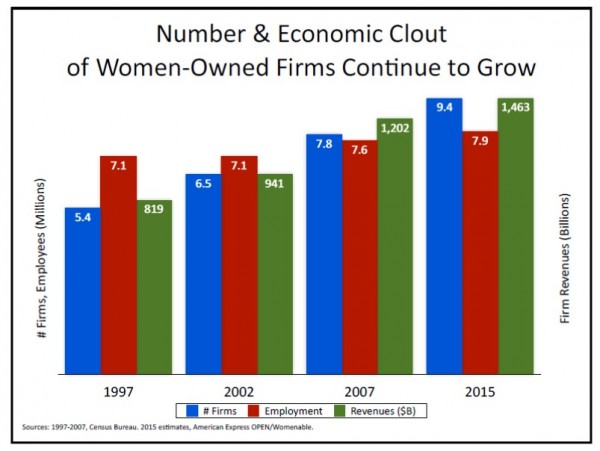
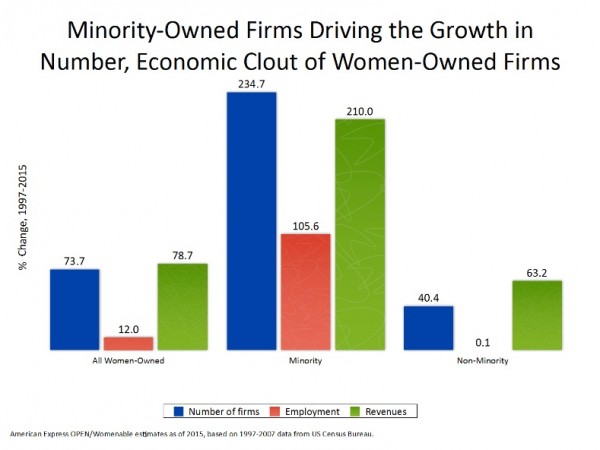
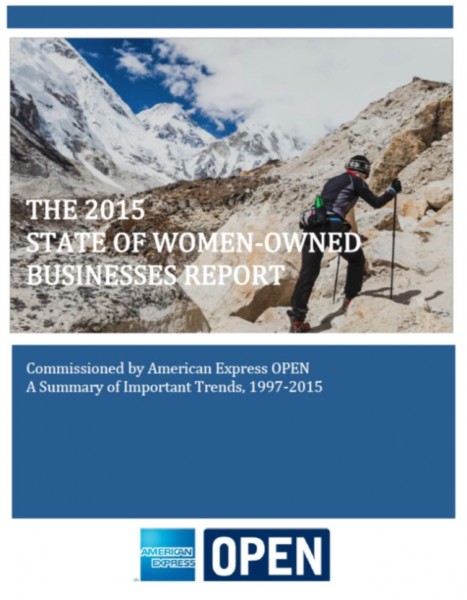 The newly released report, looking back at the past two decades, found that women-owned firms are found in every state and in every industry: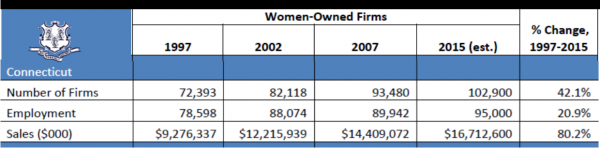


 uth Dakota, Wisconsin, and Minnesota, where it ranks 2nd. Anderson also ranks high in Massachusetts and Rhode Island, at #6.
 The #10 surname in the U.S. is Wilson, which is described as having “a checkerboard-like popularity across the United States.” In Connecticut, Wilson ranks as the 13th most popular last name.








 Fixed route transportation operates along a prescribed route and on a fixed schedule, and includes buses and light rail. In 2014 in Connecticut, buses provided over 43 million passenger trips and rail provided over 39 million passenger trips. Demand-responsive transportation provides routes and scheduling more individually tailored to the needs of the user. The Americans with Disabilities Act (ADA) requires transit agencies to provide paratransit service, subject to certain parameters, to people with disabilities who cannot use the fixed route services. Paratransit ridership in Connecticut in fiscal year 2014 under the ADA totaled over one million rides, and dial-a-ride ridership neared 100,000 rides.
 ommunities are located within a reasonable distance of quality, dependable public transportation.” In addition, policy makers were urged to “identify funding streams to sustain, coordinate, grow and make more convenient both fixed route and demand-responsive transportation options (including providing door-to-door service), and provide technical assistance to support regionalization efforts.”
 “Studies show that kids who are physically active have higher test scores, are more likely to go to college, and smoke and drink less,” he added. ”Sports can also help build life skills, including enhancing self-esteem, unifying teams and driving social inclusion. By driving support to entities enhancing access to sports, we can help.”
 er on the Kansas state assessments than non-athletes, in all subject areas. They are clearly learning something in their classes.”
 will also receive professional guidance and mentorship from TFI staff and select media professionals. Along with the monetary grant, the three filmmaking teams will participate in a two-day workshop in the fall with activities tailored to their needs and culminating with an industry showcase to both celebrate their work and introduce them to the filmmaking community at large.
 The July event is part of a year-long effort to listen, learn, and share with older adults, their families, their caregivers, community leaders, and experts in the aging field on how to best address the changing landscape of aging in the coming decade, officials said. Since the 1960’s the
 ment; how to remain healthy as we age; what types of services and supports can help older Americans remain independent in the community as we age; and how to support this care and the caregivers who provided it; and how to protect older Americans from financial exploitation, abuse and neglect.

 For the first time in the history of the awards program, a state agency was also selected to receive an award. The CT Department of Transportation received a special award for Starting a Revolution: Integration of Land Use and Transit in recognition of the progressive nature of CTfastrak, the bus rapid transit system opened earlier this year. The awards jury that selected the winners gave the award because they felt the new busway represents a cultural shift in how Connecticut views transit, and wanted to acknowledge the future promise of transit oriented development that will hopefully result around the station locations.


 mework, or take an elderly parent to a doctor’s appointment.” In half of all families with children, women are the primary or co-breadwinner, the report indicates, and low-income families are particularly likely to have all parents in the labor force.
 The analysis pointed out that nationally “many workers lack access to even the most basic supports such as earned sick days and job-protected paid parental leave. Quality child care is also out of reach for many families because it is not affordable. Women are the large majority of family caregivers, and in the absence of reliable family supports, too many women are forced to make difficult decisions between keeping their jobs and caring for their family members.”
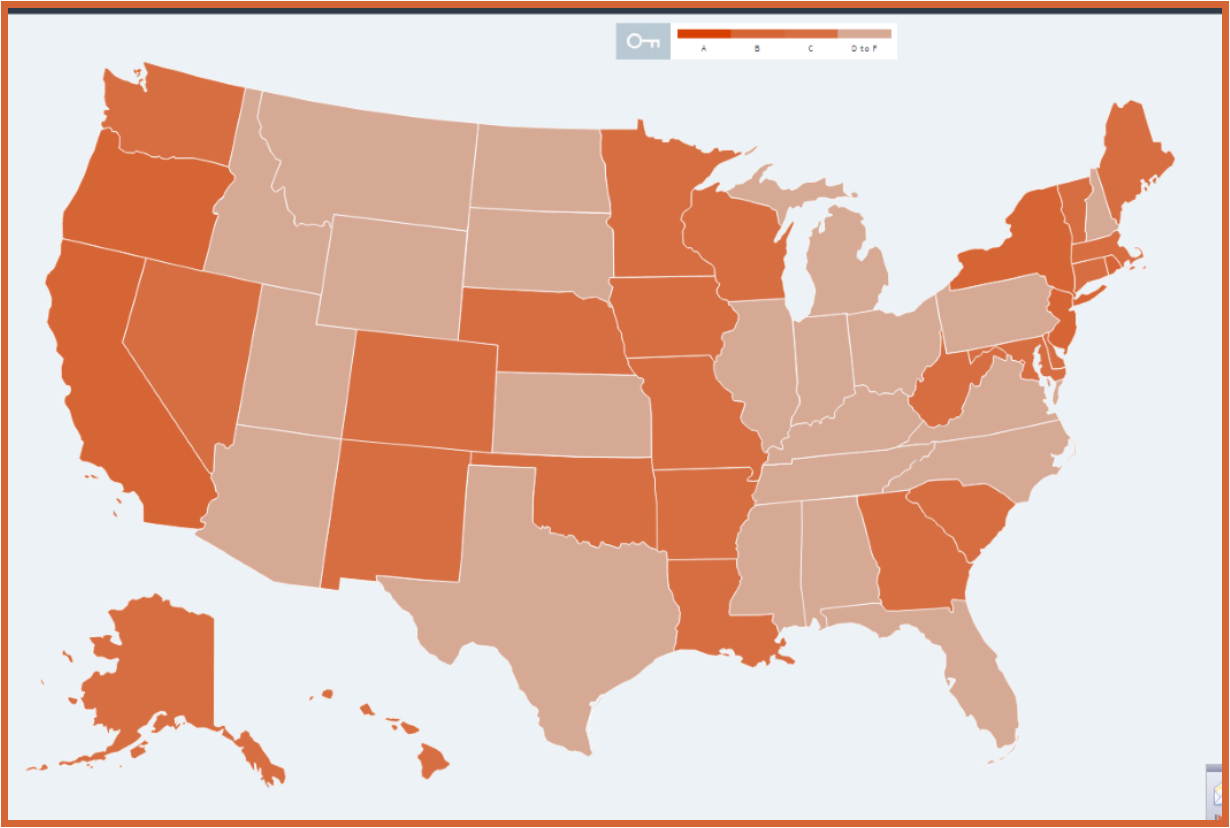 (U.S. Department of Labor Women’s Bureau 2015). The report indicates that Connecticut has 392,974 “breadwinner mothers in households with children under 18,” using 2013 data, ranking the state 25th in the nation at 29 percent.