Building Character in Children Can Improve Voter Participation As Adults, Study Finds
/As primary voters head to the polls in nearly two dozen Connecticut communities, with relatively low turnout anticipated, a newly released academic study on connections between childhood character-building and adult voting participation is gaining some notice.
A researcher at Duke University has found that data from years of national surveys of youth reveal “a strong relationship” between measures of character in youth and the subsequent likelihood of voting, even controlling for test scores and demographics.
The study appears to have identified a causal relationship: Disadvantaged elementary-school children around the country who were randomly assigned to receive character-building education two decades ago were more likely to vote as adults by 11 to 14 percentage points.
The research paper, by John B. Holbein of Duke University, is entitled “Childhood Non-Cognitive Skill Development and Adult Political Participation.” Matching participants to voter files, Holbein found that childhood intervention had a large long-run impact on political participation.” Non-cognitive factors were seen as at least as critical as cognitive factors – and perhaps more influential on voting behavior later in life.
The results of the study “suggest a refocusing of civics education.” The study, published on the Social Science Research Network, concludes that “specific programs that schools implement—including those targeting psychosocial skills—appear to have a large impact on civic participation later on. This finding has important policy implications.”
In the last midterm election, in 2014, only 36.4 percent of eligible voters cast a ballot nationwide, the lowest turnout since 1942. To understand the causes of low turnout, the Census Bureau regularly asks citizens why they chose not to exercise their constitutional right, Jonah Lehrer points out on his website, summarizing that “the number one reason is always the same: ‘too busy.’ (That was the reason given by 28 percent of non-voters in 2014.) The second most popular excuse is ‘not interested,’ followed by a series of other obstacles, such as forgetting about the election or not liking any of the candidates.”
The Holbein study suggests there is more behind the lack of voting behavior than those oft-cited reasons would suggest.
Critical factors in character building are self-regulation and those involving social skills. Components of self-regulation include, but are not limited to, grit or perseverance, emotion recognition and emotion regulation—the ability to understand and control individual affect; and inhibition, or the ability to avoid negative behavior and exhibit positive behavior. Social skills involve the ability to work with others productively; components include the ability to communicate, build friendships, and solve group-based problems.
“Rather than focusing exclusively on the number of years a citizen spends in school, it is important to consider what context they were exposed to while in school… In a landscape of stagnant macro-level trends in participation and small estimates for many adult mobilization efforts, this finding should give scholars and policymakers renewed hope,” according to the study.
The research indicated that “interventions in early life can have large and long-lasting impacts on stubbornly low rates of political participation in adulthood. This finding suggests a reorientation of political socialization studies towards early childhood; a previously neglected critical period in the development of participatory predispositions.” Similar research into the impact of non-cognitive learning has come away with consistent findings.
Looking ahead, the study suggests that “expanding our view in this way will help expand our understanding of why some people vote, while others do not, and how to design reforms to increase turnout, particularly among individuals with a low propensity to vote.”
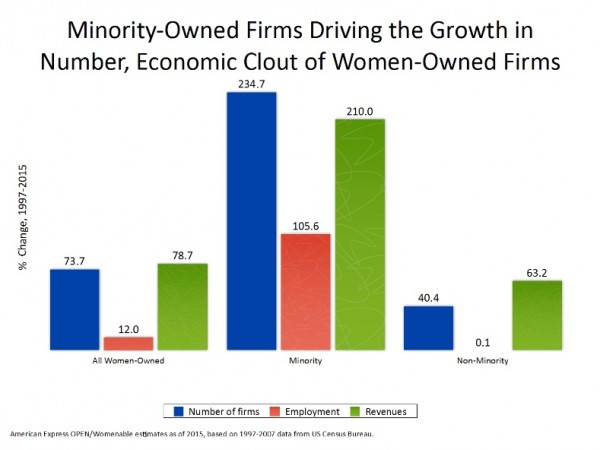
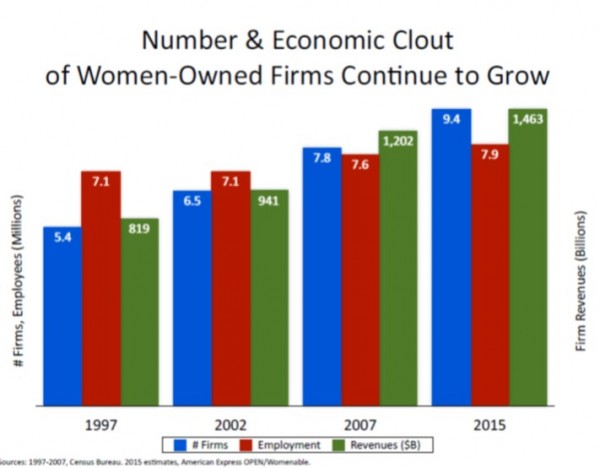 Of the nation’s women-owned businesses, African-American women own 1.3 million, Latinas 1 million, and Asian women more than 700,000. Businesses owned by women of color tend to be smaller in terms of their average employment and revenue, the report indicated. But their growth, both in numbers and in their economic clout—the combined average of their growth, revenue, and employment—continues to outpace that of their white peers, the data indicates.
 ow, there are an estimated 3.1 million minority women-owned firms, representing one in three (33 percent) women-owned firms,” pointed out Julie Weeks, President and CEO of


 The most recent fee data available from 2-1-1 Child Care estimates the statewide average cost of full-time child care in a licensed center-based day care setting is $211/week for 1 preschooler and $253/week for an infant, which adds up to $2,011 per month. This may be less than what many Connecticut families pay for child care each month, due to variations in cost and availability throughout the state, differences in family size, and other costs associated with child care that are not included—such as the cost of alternate care arrangements when the child care setting is closed
 Writing in the
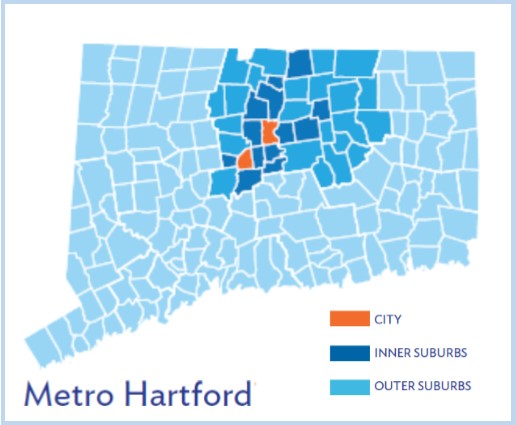
 Looking at five year trends, the report found that the region’s population of about 1 million people has grown by 2 percent, which translates to about 20,000 people or about 4,000 families. Regional job growth, 3.5 percent, is on par with the state, but remains about 8,000 jobs below pre-recession levels. The crime rate across the Greater Hartford region has been reduced by about 18 percent during the past five years, faster than the state (-16%) and national (11%) trends.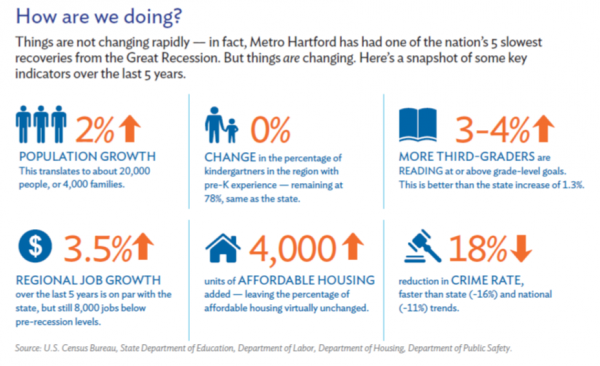
 Partner organizations in developing the report include the Hartford Foundation for Public Giving, Capital Workforce Partners, Capital region Council of Governments, Metro Hartford Alliance, Hispanic Health Council, United Way of Central and Northern Connecticut, Urban League of Greater Hartford, Center for Urban and Global Studies at Trinity College, and the City of Hartford.



 The survey noted that more than two-thirds of consumers (68 percent) looking to purchase their first home are interested in move-in ready homes while one-third would like to buy a fixer-upper. And when it comes to amenities, respondents are most interested in their first home having a backyard or pool and an attractive design, followed by energy efficient / smart homes technologies.
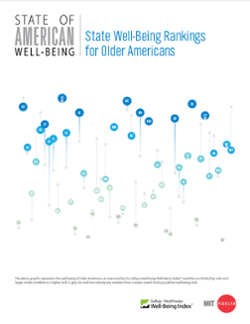
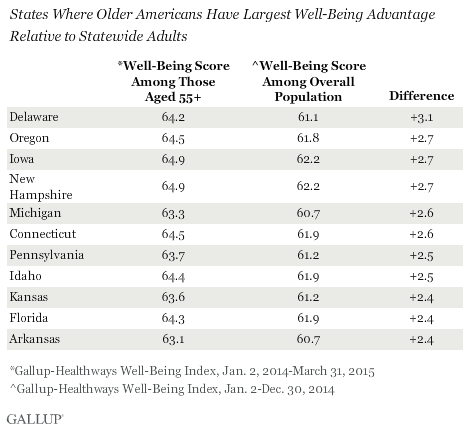 The Well-Being Index is calculated on a scale of zero to 100, where zero represents the lowest possible well-being and 100 represents the highest possible well-being. Connecticut’s well-being score was 64.5 for those age 55+, compared with 61.9 for the overall adult population. The difference of 2.6 was the sixth highest among the states.


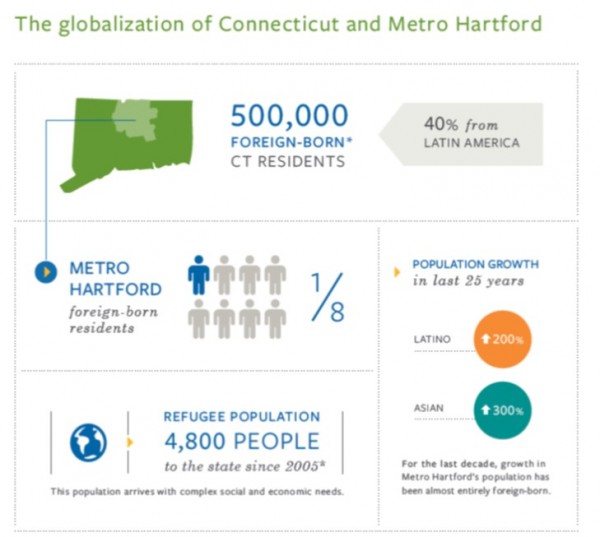 “The Latino Endowment Fund has offered this report as a means to expand the important discussion on efforts to support English Language Learners in our communities,” said Luis Cabán, chair emeritus of the Latino Endowment Fund Steering Committee. “This document provides us with an opportunity to reframe how we think about our increasingly global community and recognize the advantages of people speaking more than one language to enhance the richness of our community and create stronger links to the global marketplace.”