Organizations Focused on Progress for Women and Girls Form Statewide Collective
/It began as a casual conversation between Kate Farrar, Executive Director of the Connecticut Women's Education and Legal Fund (CWEALF) and Sharon Cappetta, Director of Development at The Community Foundation for Women and Girls, during the 2016 United State of Women Summit. Now, it is a full-fledged and far-reaching network aimed at providing support and collaboration for organizations serving women and girls across Connecticut.
The Connecticut Collective for Women and Girls (CCWG), launched last month with more than 20 members and six funders, gathered at Fairfield County’s Community Foundation to celebrate the beginning of the Collective. Members range from Girl Scouts to Planned Parenthood and the Commission on Women, Children and Seniors; the YWCA to The Alliance to End Sexual Violence and Connecticut Women’s Hall of Fame.
The Collective is a supportive network that unifies organizational members, facilitates collaboration, and bolsters their collective power to advance rights and opportunities for women and girls in Connecticut. CWEALF is the initiative's organizer.
“Now is the moment to come together to make progress for women and girls,” said Kate Farrar, Executive Director of CWEALF. “As the state’s leading champion for women and girls, CWEALF is thrilled to convene organizations across the state to increase our impact.”
Organizers say that while many organizations are doing critical work to transform the lives of women and girls in the state, too often, these organizations operate separately, leading to silos. The CCWG aims to “expand our strength as a collective force. It builds on participants’ individual assets with a community network of organizations that uplift and amplify each other’s work. The very act of coming together in this way increases each organization’s impact to advance rights and opportunities for women and girls in Connecticut.”
"Fairfield County’s Community Foundation’s Fund for Women & Girls is pleased to support the newly launched Collective. Collaboration, Diversity and Inclusion are core values of the Community Foundation’s. Through the Collaborative, partner organizations will develop a common language and requisite understanding of what is needed to advance gender equity," said Tricia Hyacinth, Director, Fund for Women & Girls. "Moreover, members, from all regions of the state, currently working independently, will achieve greater impact through their collective efforts." 
“The Community Fund for Women & Girls and The Community Foundation for Greater New Haven are delighted to support the Connecticut Collective for Women and Girls,” said Sharon Cappetta, Director of Development. “This emerging network of committed program providers are already doing great work with women and girls in the state. Together, working collectively, they strengthen their individual organizations and connect to potential partners, as well as bring attention and audiences to the gender implications of public policy in Connecticut. Our communities and our state benefit from targeted investments in nonprofit organizations, especially those who are working directly to advance women and girls.”
Other funders of the Collective are the Aurora Foundation for Women and Girls; The Community Foundation of Eastern Connecticut's Women and Girls’ Fund; the Women’s Fund at Connecticut Community Foundation; and the Main Street Community Foundation's Women & Girls’ Fund. The Connecticut Collective for Women and Girls is guided by the following principles of gender equity, racial justice, LGBTQIA rights, civil rights, disability rights, ending and preventing violence, economic justice, reproductive rights, and immigrants’ rights.

 The strong turnout percentage this year is underscored by the fact that the number of registered voters is considerably larger. As of Nov. 2 – not including those individuals who registered and voted on Election Day – the number of registered voters in Connecticut was 2,165,045, according to the Office of Secretary of the State. Back in the ‘90’s, the list of registered voters hovered between 1.7 million and 1.8 million. This year’s election brought a higher percentage of voters to the polls from a larger list of individuals registered to vote.



 components of the overall score.

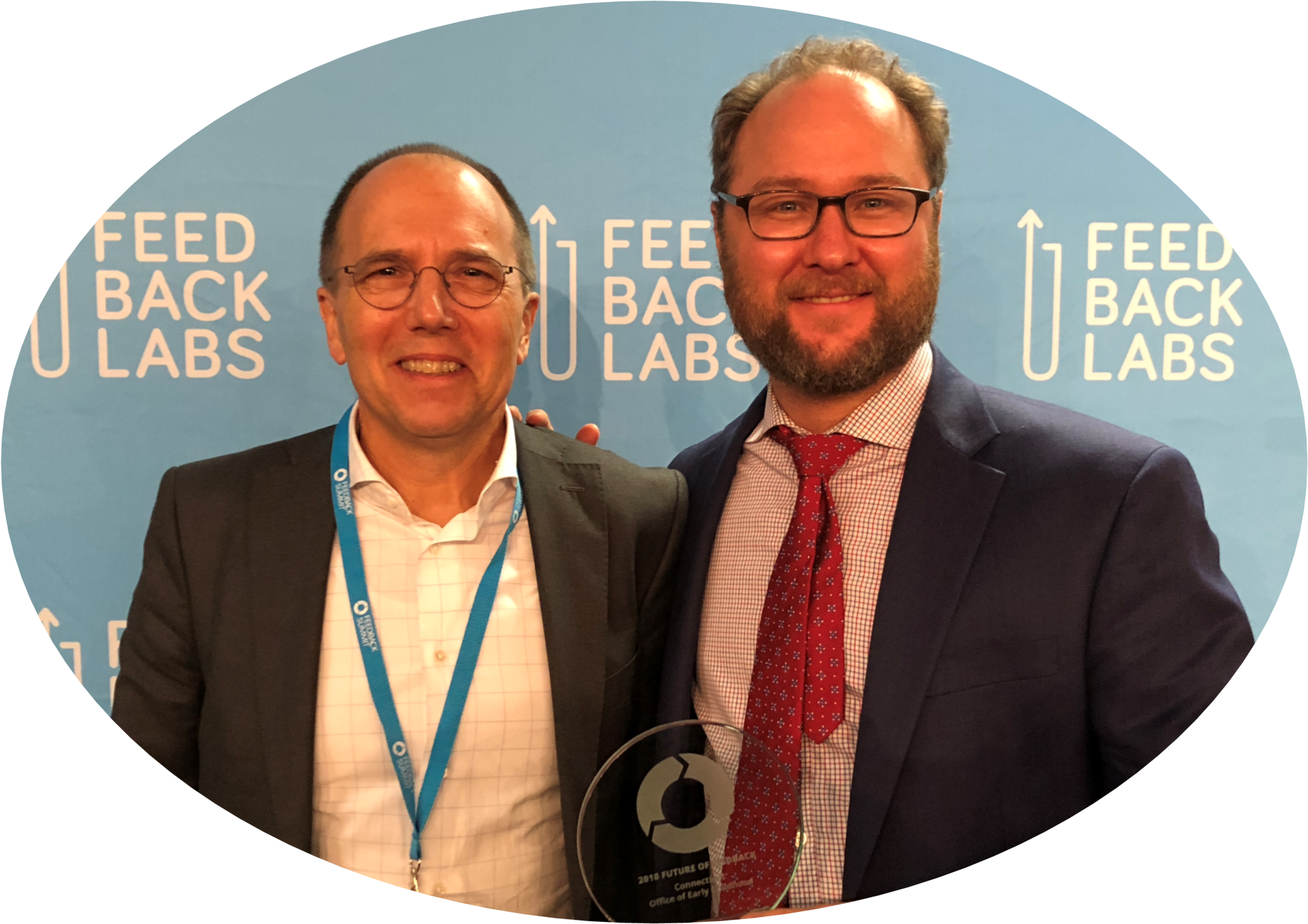 Among the 10 largest state agencies in Connecticut, OEC’s goal is to keep the state’s children safe, healthy, learning and thriving. Through its innovative feedback efforts, the agency is acting on evidence that engaging providers and parents in policymaking yields better results. Officials said that the agency combined data from 1,700 family surveys, another survey shared with all providers in the state, and 400 community and provider meetings in order to build a draft plan to transform the ECE system in the state, which serves 200,000 children.


 “This aging population has contributed to diminished economic growth, with Connecticut being one of only four states in the country with contracting output. This occurred while its population growth was nearly at the bottom for all states, along with having one of the largest contractions of prime working-age adults,” S&P noted in their analysis. “The outlook is equally dim. We expect the state's higher concentration of middle-aged and elderly residents compared with young adults and children to worsen.”
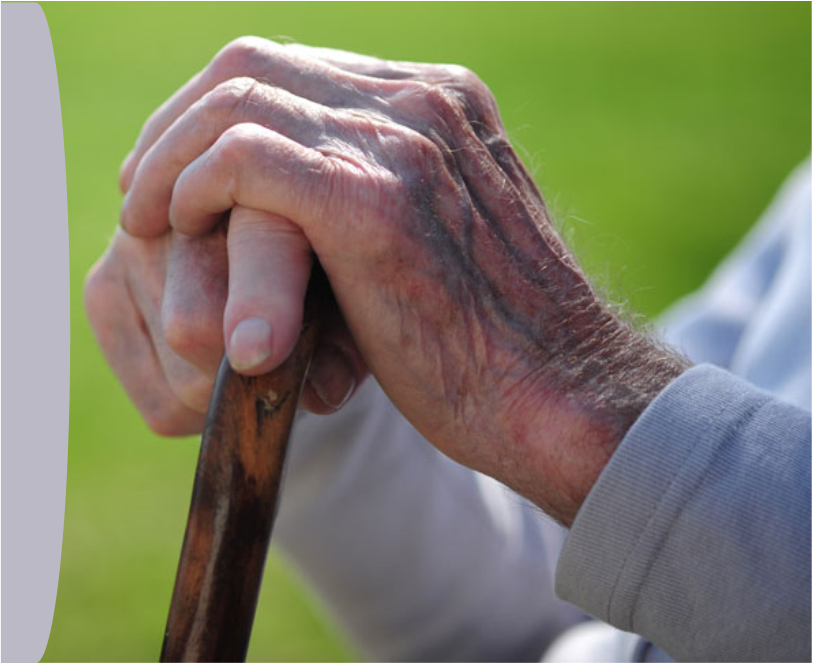 It went on to explain that “upon further look, there is a profound distinction among the projected population shift when broken down by age. Between 2010 and 2040, Connecticut’s age 65 years and over population is on pace to increase by 57%. However, its population between the ages of 20-64 is projected to grow less than 2% and the population age 18 and under is projected to decline by 7%.”

 Obesity is a problem in virtually every city and town, and every income and social sector. But its impact is most serious in communities where conditions make access to healthy foods and regular physical activity more difficult, such as lower income and rural areas, including many communities of color. The national costs of obesity are enormous, officials point out. Obesity drives an estimated $149 billion annually in directly related healthcare spending, and an additional $66 billion annually in lowered economic productivity. Also, one in three young adults is ineligible for military service, due to being overweight, officials noted.