New CT Consumer Confidence Survey Shows More Residents Likely to Stay, Although Outlook Relatively Unchanged
/Fewer Connecticut residents now expect to move out of the state in the next five years, according to the results of the 2015 Connecticut Consumer Confidence Survey released today by InformCT, covering the second quarter of the calendar year.
In the first quarter, the percentages were even, with 39 percent saying it was likely they’d move from the state during the next five years and the same percentage saying a move out of state was unlikely. In the new survey, 32 percent said it is likely they will move out of state in the next five years, a slight drop, while the percentage who say it is unlikely has grown to 43 percent.
Overall, Connecticut residents’ confidence in the state’s economy and their personal financial prospects are nudging along tentatively and unevenly, but relatively unchanged in the year’s second quarter compared with the first few months of the year.
Results of the Q2 Survey (April-June 2015) tend to reinforce what was found in Q1 (January-March). Consumers see little change in what is perceived as a sluggish economy and do not envision any change in the next 6 months. This is also reflected in their attitudes toward the job market, with 6 in 10 feeling that there are insufficient jobs for the available workforce.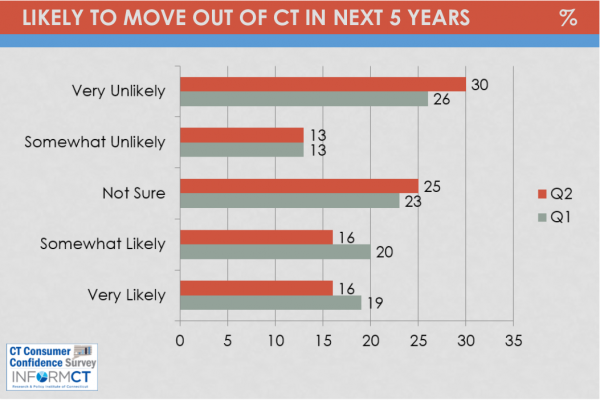
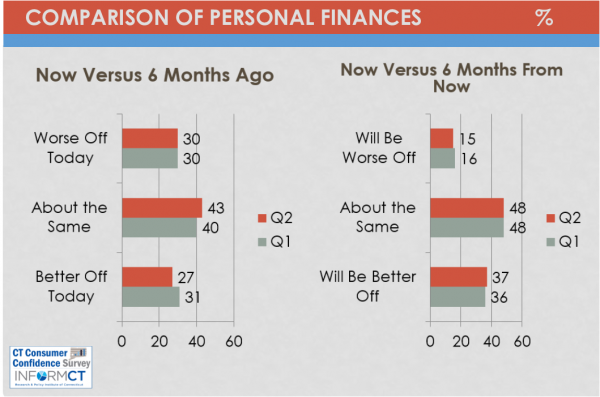
Regarding personal finances, slightly fewer state residents felt they were better off today than six months ago, but slightly more felt they would be better off six months from now. A plurality, however, felt that their personal finances were about the same as six months ago, and were unlikely to change in the next six months.
Inform CT is a public-private partnership that provides independent, non-partisan research, analysis, and public outreach to help create fact-based dialogue and action in Connecticut. The survey is designed to generate an ongoing measure of consumer confidence in the Connecticut economy. The survey also found that:
- Fairfield County residents are the most likely (32%) to think that business conditions are better.
- Residents of Litchfield (36%) and Windham (34%) counties are the most likely to feel that jobs are very hard to get.
- Residents of Tolland County (38%) are the most likely to feel that they are better off.
Concerns that survey respondents “job may be in jeopardy” dropped slightly from the first to second quarter, as did concerns “about being able to afford health insurance.” However, slightly fewer people felt they had “enough to retire comfortably,” or that the state’s economy was improving. On the question of whether Connecticut is a “good place to live and raise a family,” for the second consecutive quarter, the split was 50-50. As income increases, respondents are more likely to agree that Connecticut is a good place to live and raise a family, the survey results showed.
 The survey is being administered for InformCT by the Connecticut Economic Resource Center, Inc.(CERC) and Shelton-based Smith & Company. The analysis, which is based on the responses of 400 randomly selected Connecticut residents (roughly 50 per county), addresses key economic issues such as overall confidence, reactions to housing prices, upscale consumer purchases, leisure spending and current investments. InformCT is a public-private partnership that currently includes staff from CERC and the Connecticut Data Collaborative.
The results also indicated that women (78%) are significantly more likely than men (52%) to indicate that they are likely to move out of Connecticut, and respondents with household incomes of $50,000 or less are significantly more likely to indicate that they will move out of Connecticut, according to survey officials.
More than 60 percent of state residents said they plan to take a vacation outside Connecticut (22% very likely, 39% somewhat likely) and 44 percent said they planned to vacation in Connecticut (26% very likely, 18 percent somewhat likely). The most likely vacation location appears to be state parks, with 43 percent indicating that such a visit was likely in the next six months. Forty-one percent planned to visit a casino, outdistancing visits planned to aquariums (27%), the Connecticut Science Center (13%) and other state attractions.
Regarding plans for major purchases in the next six months, often considered a harbinger of economic strength, 28 percent said they planned to make a “major consumer expenditure,” 22 percent anticipated purchasing a new car, and 15 percent said they were planning to refinance or purchase a new home. 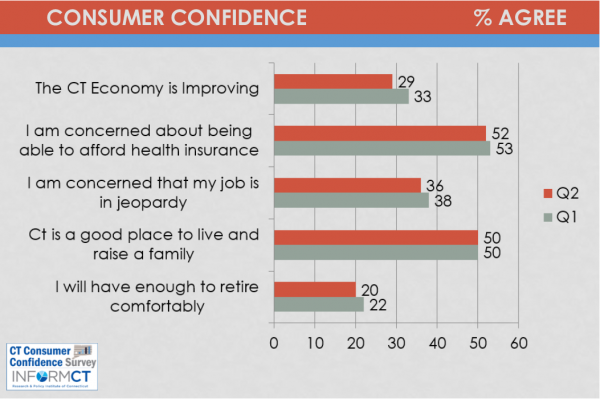
CERC, based in Rocky Hill, is a nonprofit corporation and public-private partnership that provides economic development services consistent with state strategies, leveraging Connecticut’s unique advantages as a premier business location. Smith & Company LLC is a market research firm. More information about the survey, and subscribing, can be found at www.informct.org.
“This research provides a measure of the strength of our economy as well as a gauge of select economic factors,” stated Alissa DeJonge, Vice President of Research at CERC. “It is a valuable and cost-effective strategic planning tool for any company or organization that wishes to take the temperature of the Connecticut consumer.”
“Whether you are a financial services institution, health care provider, insurer, developer, utility, trade association, or advertiser, those who wish to subscribe to this regular information can add proprietary questions for their own purposes,” added Stephen A. Smith, President of Smith & Company.



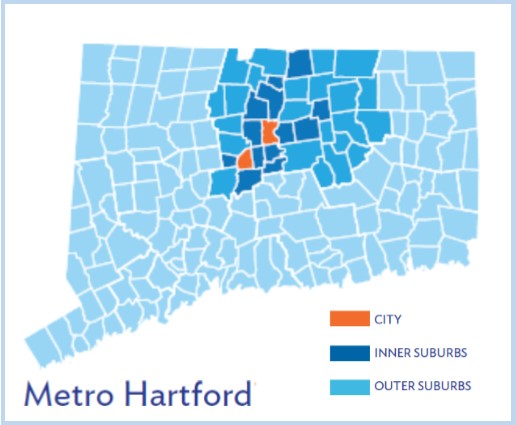
 Looking at five year trends, the report found that the region’s population of about 1 million people has grown by 2 percent, which translates to about 20,000 people or about 4,000 families. Regional job growth, 3.5 percent, is on par with the state, but remains about 8,000 jobs below pre-recession levels. The crime rate across the Greater Hartford region has been reduced by about 18 percent during the past five years, faster than the state (-16%) and national (11%) trends.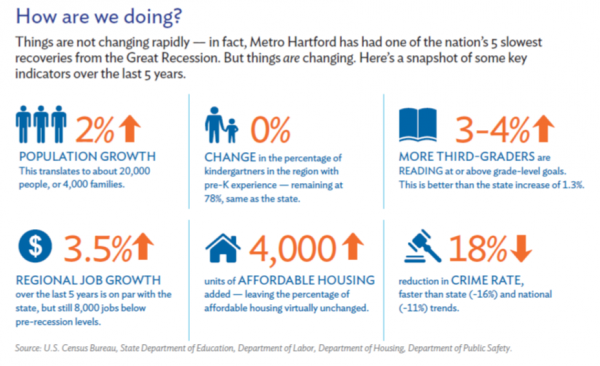
 Partner organizations in developing the report include the Hartford Foundation for Public Giving, Capital Workforce Partners, Capital region Council of Governments, Metro Hartford Alliance, Hispanic Health Council, United Way of Central and Northern Connecticut, Urban League of Greater Hartford, Center for Urban and Global Studies at Trinity College, and the City of Hartford.


 The survey noted that more than two-thirds of consumers (68 percent) looking to purchase their first home are interested in move-in ready homes while one-third would like to buy a fixer-upper. And when it comes to amenities, respondents are most interested in their first home having a backyard or pool and an attractive design, followed by energy efficient / smart homes technologies.
 U.S. Commerce Secretary Penny Pritzker honored a total of 45 American companies and organizations, many of which are small- and medium-sized enterprises (SMEs), at the 2015 President’s “E” Awards ceremony, held earlier this year. The six Connecticut businesses were among the 45 honored.
 Proton Onsite makes hydrogen and nitrogen generators. Mutualink manufactures equipment used to facilitate collaborative communication between public safety and first response teams at the scene of emergencies. Jonal Laboratories makes sealant used in the aerospace industry. Dymotek manufactures custom injection molded plastic and silicone parts for electronics, plumbing valves and juice dispensers.
 t assist and facilitate export activities were honored with the “E” Award for Export Service. Four firms received the “E” Star Award for Exports, which recognizes previous “E” Award winners who have reported four years of additional export growth. And, three companies were awarded the “E” Star Award for Export Service, which recognizes previous “E” Award winners that have shown four years of continued support of exporters since first winning the “E” Award.
 This year marks the 53rd anniversary of the
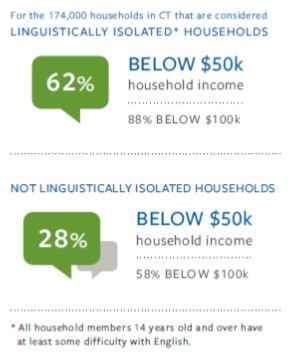
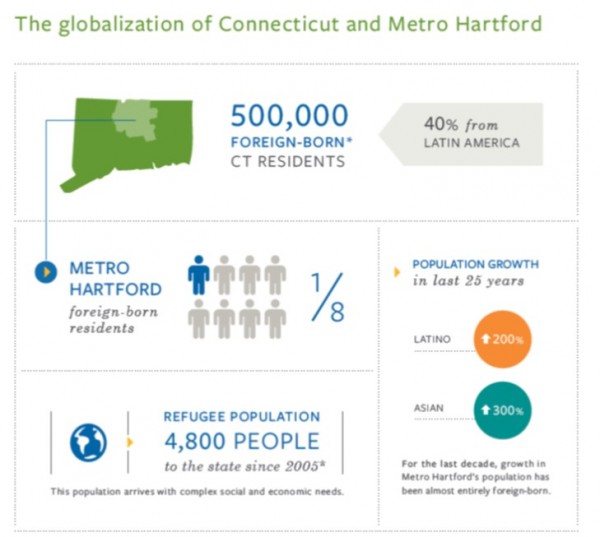 “The Latino Endowment Fund has offered this report as a means to expand the important discussion on efforts to support English Language Learners in our communities,” said Luis Cabán, chair emeritus of the Latino Endowment Fund Steering Committee. “This document provides us with an opportunity to reframe how we think about our increasingly global community and recognize the advantages of people speaking more than one language to enhance the richness of our community and create stronger links to the global marketplace.”


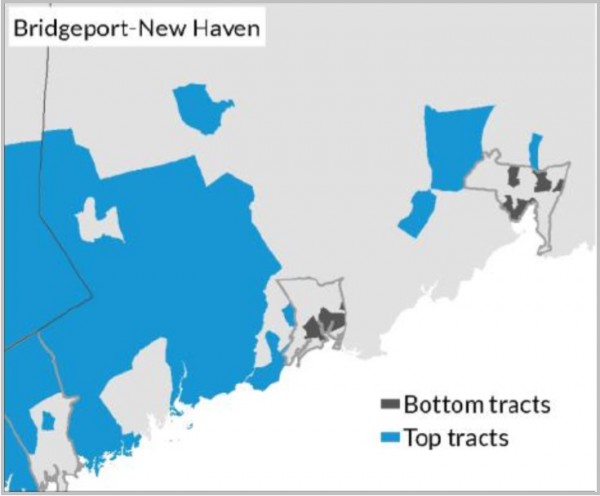
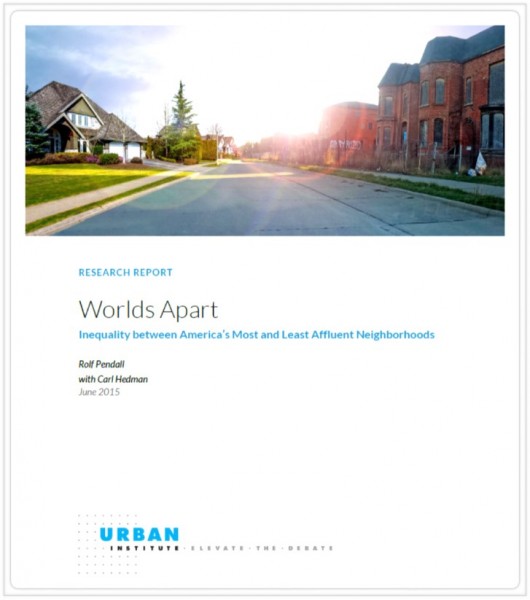 As a result, the study found that inequality between “top and bottom income” neighborhoods intensified in the great majority of commuting zones. Even where inequality dropped, the story was not always positive: it often occurred because top-neighborhood incomes fell in the wake of economic stagnation.