Advertisers Target Hispanic and Black Youth with Unhealthy Snack Ads, UConn Center Study Finds
/The University of Connecticut’s Rudd Center for Food Policy & Obesity is calling on media companies to “set nutrition standards” for snack ads aimed at children and teens and “stop targeting advertising high-calorie, nutritionally poor foods to all young people,” but “especially advertising aimed at Black and Hispanic youth.”
The recommendations come in the wake of a report that found that Black and Hispanic children “are exposed to more food advertising than white non-Hispanic children” and much of it is for unhealthy foods that have a greater likelihood of adversely impact children’s health.
The Rudd Center’s report, Snack Facts, found that Black children saw 64 percent more snack food ads on TV compared to white children, and Black teens viewed 103 percent more compared to white teens. The disparity, according to the report issued last fall, had increased between 2010 and 2014, the most recent year studied. “FACTS” is an acronym for “Food Advertising to Children and Teens Score.”
The findings also indicated that in addition to a barrage of advertising for unhealthy snacks, Black children and teens saw approximately 50 percent and 80 percent more ads for healthier fruit and yogurt brands – although the positive findings were generally outdistanced by findings of concern. Black children also saw 99 percent more ads for savory snacks and Black teens saw 129 percent more, compared with white children and teens.
From 2010 to 2014, TV ads for savory snacks (salty or spicy) viewed by black children increased 48 percent and ads viewed by black teens increased 95 percent. “Given that youth of color suffer from higher rates of obesity and other diet-related diseases,” the Rudd Center indicated, “snack food advertising likely exacerbates health disparities affecting their communities.”
Two-thirds of 2- to 5 year-olds and more than half of youth ages 6 to 19 report having three of more snacks per day, and Americans are spending more on snacks – an increase of more than $100 million from 2012 to 2015, according to data cited in the report.
The Rudd Center report found that snack advertising on Spanish language television had changed dramatically between 2010 and 2014, and not for the better:
- Yogurt advertising declined by 93 percent, and not one fruit brand advertised on Spanish-language TV in 2014.
- Spending on savory snack ads (salty/spicy snacks) skyrocketed 551 percent and sweet snack ads rose 30 percent.
- Ads for unhealthy snacks comprised 88 percent of snack food ads viewed by Hispanic children on Spanish-language TV in 2014, a dramatic jump from 39 percent in 2010.
The 102-page report reviewed the advertising practices of specific companies in the snack food industry, and highlighted changes in advertising emphasis. It also tracked trends in advertising on social media. The advertising analysis examined 90 brands spending more than$1 million in total advertising in 2014 from 43 different companies, according to the report. 
The report suggested that “media companies could provide lower rates for advertising that promotes nutritious foods,” noting that aggressive marketing of unhealthy snack foods to children and teens exacerbates the crisis of poor diet and related diseases among young people.”
Snack FACTS examined the nutritional quality and advertising for 90 snack food brands offered by 43 companies that were marketed to U.S. children and teens on TV, internet, and in schools in 2014. Researchers analyzed healthier snacks, including yogurt, fruit, and nuts, as well as unhealthy snacks, including sweet and savory snacks such as cookies, chips, and fruit snacks, comparing 2010 and 2014 when possible.
The report also indicates that “companies have recognized the business opportunity in marketing healthy snacks to young people,” and urges those companies to respond in children and youth’s best interest.
The Rudd Center for Food Policy & Obesity, which affiliated with UConn a year ago after a decade at Yale University, is a non-profit research and public policy organization devoted to improving the world’s diet, preventing obesity, and reducing weight stigma. The Rudd Center is described as “a leader in building broad-based consensus to change diet and activity patterns, while holding industry and government agencies responsible for safeguarding public health.” Research related to the report was funded by a grant from the Robert Wood Johnson Foundation.

 Since entering the Connecticut market in the summer of 2014, the company has been aggressively growing its customer base in a competitive market while working diligently to grow and expand its network of doctors. Harvard Pilgrim Health Care announced recently that its Connecticut membership has grown to more than 24,000, exceeding expectations for 2015. It now serves more than 800 Connecticut businesses. Twenty-nine of the state’s 30 hospitals are now in-network.
 With more than 500 business leaders in attendance at an annual Economic Summit & Outlook last week, brought together by the Connecticut Business and Industry Association and MetroHartford Alliance, Schmitt spent some time touting a new model launched in the state of New Hampshire that he believes may be a glimpse into the direction the industry is moving. Harvard Pilgrim Health Care’s footprint in New England now covers “where 90 percent of New Englanders live,” in Massachusetts, Connecticut, Maine and New Hampshire.
 Launched

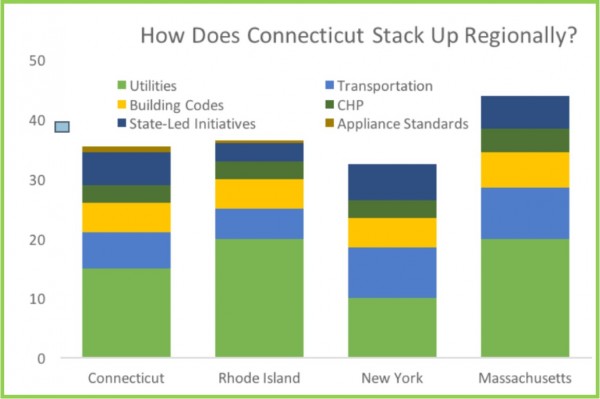
 nd compliance efforts, earned 3 points out of 4 for its combined heat and power policies and programs, 5.5 out of 7 points for state-led energy efficiency initiatives, and 1 point out of 2 for appliance standards.
 olar power in Connecticut has grown 221 percent per Capita since 2012, ranking the state 13th in the nation, the report points out. The top solar growth states in the nation, like Connecticut, have adopted renewable energy requirements, strong laws allowing solar customers to sell their excess power to the electric grid, and other policies encouraging growth of the industry, the report indicates. The industry is also adding jobs much faster than the overall economy, employing 1,600 people in Connecticut last year, according to
 ."

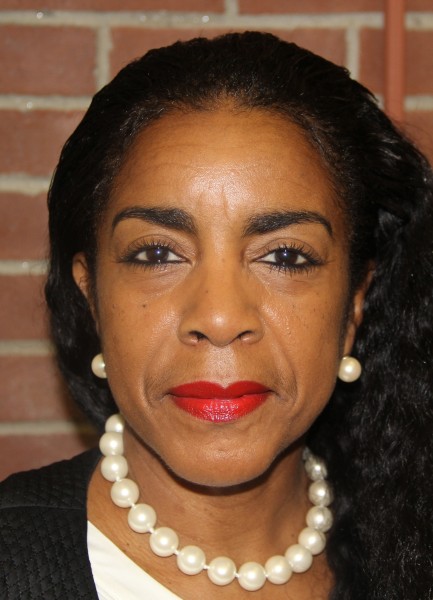 Diane Brown is branch manager of the New Haven Free Public Library’s Stetson Branch. Known as the “urban librarian” to her patrons, Brown develops valuable programs and services to meet the needs of the underserved residents in a community with high rates of poverty, crime and low literacy levels. Under Brown’s leadership, the library has been transformed into a true community center. She brings residents together by hosting cultural and educational events such as an international “pop up” festival, art exhibits, lectures and health fairs, according to officials. She has been praised for facilitating an afterschool tutoring program for K-8 students and providing opportunities for children and their families to spend time together by establishing history and game nights.
 Elizabeth G. Rumery, library director for the Avery Point Campus Library at the University of Connecticut in Groton, has “transformed the library into a welcoming and dynamic place for students by modernizing the facility to meet the needs of 21st century learners.” Officials indicate that she worked with contractors and school administrators on renovating the library, with improvements including new media rooms and collaborative study spaces for students and faculty.
 The librarians join “an esteemed group of award recipients who are recognized as being catalysts for powerful individual and community change.” Only 80 librarians have received the national award since its inception in 2008, including six from Connecticut. In 2012, the recipients were Rachel Hyland, Tunxis Community College Library in Farmington, and Rae Anne Locke, Saugatuck Elementary "Secret Garden" Library in Westport. The 2011 winners included Jennifer O. Keohane, The Simsbury Public Library and Michelle Luhtala, New Canaan High School Library.
 The news came just weeks after it was announced that Laurencin is the recipient of the 2016 Founders Award, the highest honor of The Society For Biomaterials. He will be honored at the 2016 World Biomaterials Congress in Montreal, Canada on May 18, 2016.



 This summer, Shemitz was among those appointed to serve on the state’s Commission on Economic Competitiveness, created by the legislature amidst concerns in the state’s business community about the perceived lack of competitiveness. The Commission is considering steps to improve Connecticut’s employment and business climate including measures to support workforce development and family and economic security. Recommendations are anticipated for legislative action next year.
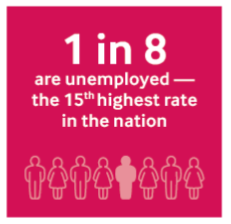 The action plan is spurred by clear concerns: “When young people are not attending school or working, they cannot attain necessary education or work experience, support themselves, save for their future, or contribute to the economy. What future do they face? What future does Fairfield County face?”