Trees Sprouting Across Connecticut, 19 Municipalities Lead the Way
/Tree City USA is an honor earned by cities and towns that meet four standards set by the Arbor Day Foundation and have their application approved the State Forester.
Connecticut currently has 19 municipalities with the Tree City USA designation, which cover 31 percent of the state’s population. According to the Arbor Day Foundation, Connecticut’s longest running Tree City is Fairfield, which recently surpassed 26 years. The largest community is Bridgeport, the smallest, by population, is Brookfield
The four standards are having:
- A tree board or department
- A tree care ordinance
- An urban forestry program with an annual budget of at least $2 per capita
- An Arbor Day observance and proclamation
The other Tree City USA communities in Connecticut are Branford, Danbury, East Hartford, Groton, Hartford, Middletown, Monroe, New Canaan, New Haven, Norwalk, Ridgefield, Southbury, Stamford, West Haven, Wethersfield and Wilton.
Norwalk and Wethersfield, for demonstrating a higher level of tree care, have received Growth Awards from the organization. Overall, there are 3,400 Tree City USA honorees across the country, with a combined population of more than 140 million.
Annual participation as a Tree City USA community provides the opportunity to educate people who care about their community about the value of tree resources, the importance of sustainable tree management and engage individuals and organizations in advancing tree planting and care across the urban forest.
The organization also offers on-line education courses for individuals interested in learning more about trees, or about serving in a citizen advisory role in their local community.
The Arbor Day Foundation indicates that an effective tree program can:
- Reduce costs for energy, storm water management, and erosion control. Trees yield up to three times their cost in overall benefits to the city, averaging $273 per tree.
- Cut energy consumption by up to 25%. Studies indicate that as few as three additional trees planted around each building in the United States could save our country $2 billion, annually, in energy costs.
- Boost property values across your community. Properly placed trees can increase property values from 7-21% and buildings in woodedareas rent more quickly and tenants stay longer.
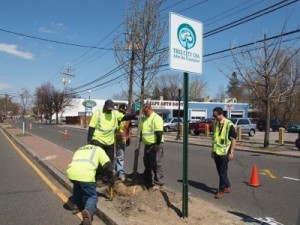 The Arbor Day Foundation also has a campus program, designating colleges and universities as a Tree Campus USA. The University of Connecticut is the only college in Connecticut to earn the designation.
The state Department of Energy and Environmental Protection's Urban Forestry Program is available to work with any community interested in exploring whether it qualifies as a Tree City USA and what is needed to earn that designation.
DEEP officials indicate that “many communities might be surprised at how close they are.” Applications for next year's honor are due in December. The program was initiated by the Arbor Day Foundation in 1976.
https://youtu.be/ol2_IcwaeDI





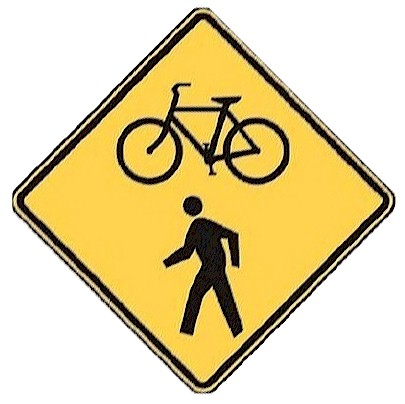
 motorized transportation networks and safety. Communities that routinely collect walking and biking data, they point out, are better positioned to track trends and prioritize investments.

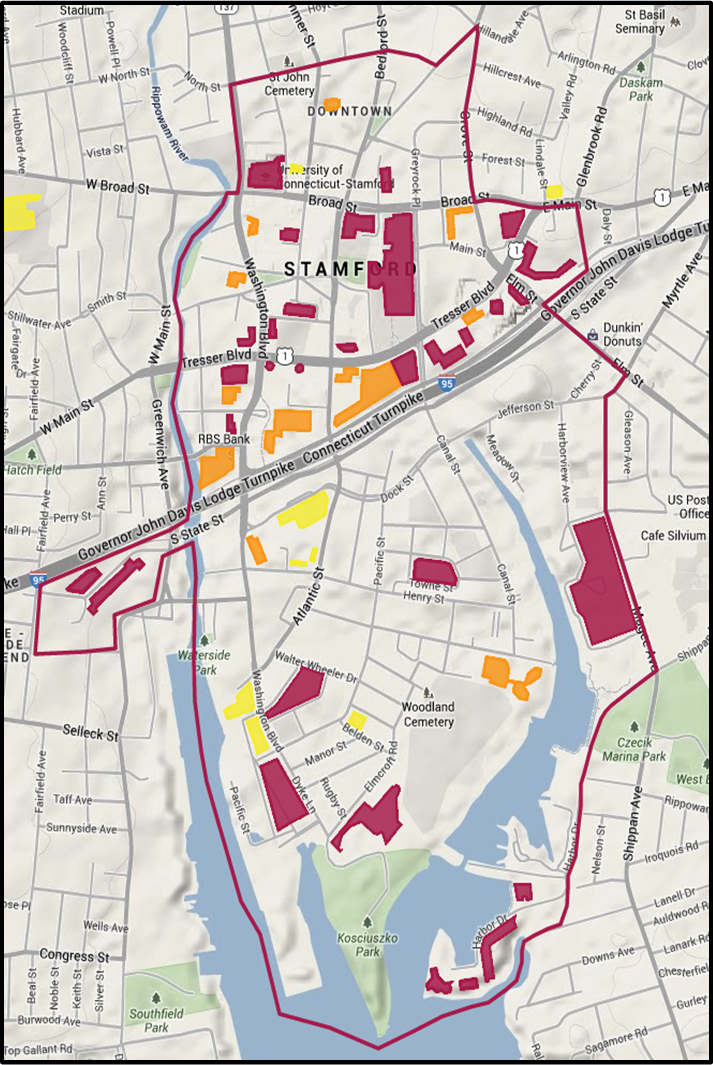 “These collective efforts will establish the Stamford 2030 District as an example of a financially viable, sustainability focused, multi-sector driven effort that maximizes profitability and prosperity for all involved. Through collaboration of diverse stakeholders, leveraging existing and developing new incentives and financing mechanisms, and creating and sharing joint resources, the Stamford 2030 District will prove the business case for healthy and high performing buildings.”
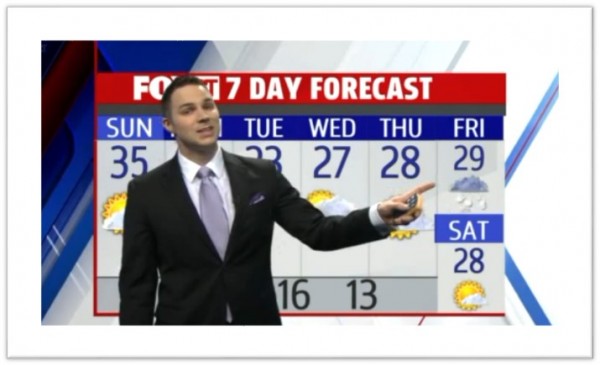 Western Connecticut State University has the state's only meteorology program, which was run for many years by WTNH-TV meteorologist Dr. Mel Goldstein. The WCSU website is chock full of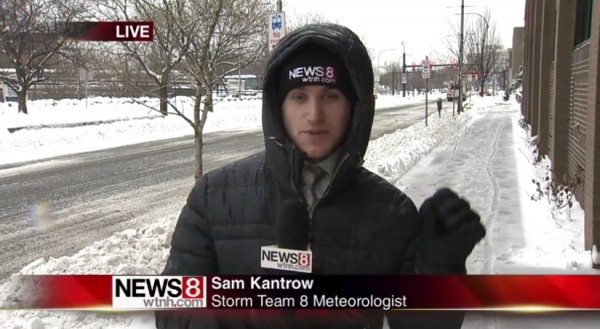
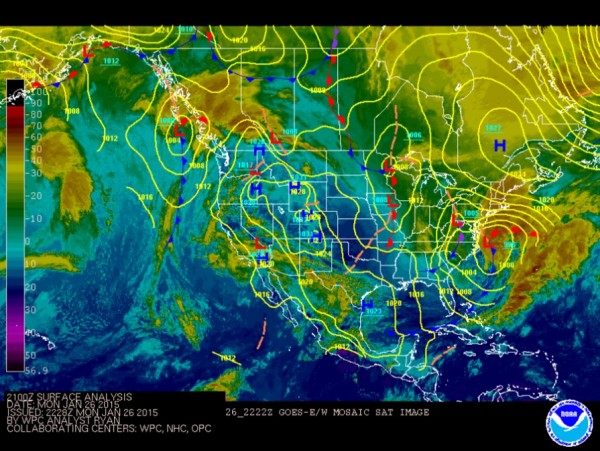 . Students in the bachelor's program earn credits while performing TV/radio weathercasts or doing real-time forecasting for clients in the university's on-campus Weather Center, according to the WCSU website.
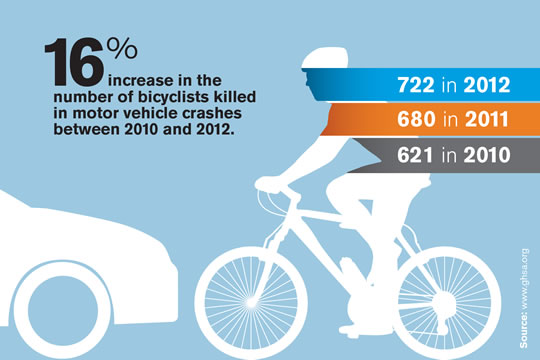
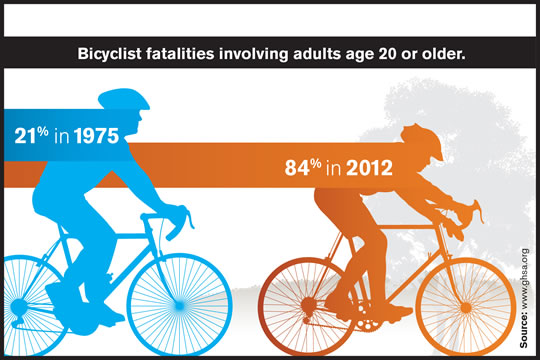
 The new GHSA report indicated that in many states and urban areas, engineering measures are being adopted to accommodate bicycles on the road, “with the dual aim of protecting cyclists from collisions with motor vehicles, while encouraging cycling for its health and environmental benefits.”
 Rounding out the top 10 are Rhode Island (the state’s first time in top five), Oregon, and Vermont (all tied for #3); Connecticut (#6); New York (#7); Washington (#8); Maryland (#9); and Minnesota (#10).
 s, State, and Local Policy program, said: “Smart energy efficiency choices maintain the same comfort, convenience, and quality of life that consumers want and expect. Energy efficiency is also good for business. State action on energy efficiency improves bottom lines, drives investment across all sectors of the economy, creates jobs, and offsets the environmental harms created by the energy production system.”
![5th-tristate-weather-conference-final[1]](http://www.wcsu.edu/weatherconference/images/5th-tristate-weather-conference-final[1].jpg)
 Connecticut First Alert Weather Team in December 2005 and currently serves as the weekend evening meteorologist and as a general assignment reporter on weekdays. His
 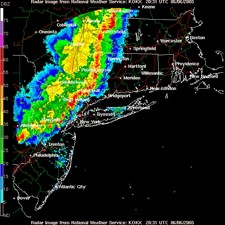 Dr. Jason Tuelll, Director, Eastern Region NWS, Bohemia, NY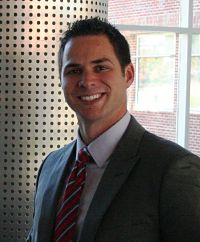
 The Bureau of Transportation Statistics (BTS) included the data in