

Seven CT Financial Institutions Earn Federal Designation to Assist Low Income Communities
/Across the country, there are 963 institutions designated by the U.S. Department of the Treasury’s Community Development Financial Institutions Fund as having earned CDFI Certification. Seven of them are based in Connecticut’s urban centers, the focus of their financial activities.
CDFIs are specialized community-based financial institutions with a mission to promote economic development by providing financial products and services to people and communities underserved by traditional financial in stitutions, particularly in low income communities and to people who lack access to financing. By offering tailored resources and innovative programs that invest federal dollars alongside private sector capital, the CDFI Fund serves mission-driven financial institutions that take a market-based approach to supporting economically disadvantaged communities. The institutions to receive CDFI Certification in Connecticut are in the state’s major cities:

- Housing Development Fund (Stamford)
- HEDCO Inc. (Hartford)
- Community Capitol Fund (Bridgeport)
- Greater New Haven Community Loan Fund (New Haven)
- Hartford Community Loan Fund (Hartford)
- Seasons Federal Credit Union (Hartford)
- Start Community Bank (New Haven)
CDFIs include regulated institutions such as community development banks and credit unions, and non-regulated institutions like loan and venture capital funds. By building the capacity of a nationwide network of CDFIs, the CDFI Fund works to empower low-income and underserved people and communities to enter the financial mainstream.
Certified CDFIs are eligible to apply for awards through a variety of programs offered by the CDFI Fund. These awards enable CDFIs to finance a wide range of activities—including mortgage lending for first-time homebuyers, flexible underwriting for community facilities, and commercial loans for businesses in low-income areas. Through varying strategies, each CDFI contributes to the cultivation of a healthy and stable local economy, the CDFI website points out.
Speaking last week in Detroit, where CDFI Certified institutions are involved with the city’s rebound, CDFI Director Annie Donovan said “CDFIs have always led the way, demonstrating to mainstream investors that there are opportunities in communities that have been overlooked, or judged to be too risky. If mainstream financial institutions move into markets behind us, we must continue to blaze new trails, to find the next community that is even harder to serve than the last one.”
The Housing Development Fund, Inc. was established in 1989 as a nonprofit organization to finance the development of affordable housing in Stamford, CT. Today, with offices in Stamford, Bridgeport, and Danbury, HDF provides lending and homeownership counseling services to the entire state of Connecticut as well as Nassau, Suffolk, Rockland, and Westchester counties in New York.
Community  Capital Fund facilitates the flow of capital and expertise into housing and economic developments that “benefit low and moderate income people in the Greater Bridgeport Area.” It was formed in 2005 from the merger of two loans funds.
The 27-year old Greater New Haven Community Loan Fund’s mission is to create and sustain vibrant neighborhoods and communities. Through its lending and investment, the Loan Fund is the flexible source of alternative financing for affordable housing and community development in the greater New Haven area.
Since 1975 HEDCO Inc. has helped clients and their communities improve, achieve and succeed by supporting their growth and progress. They “build productive partnerships, create new programs that meet the changing needs of entrepreneurs and increase the funds available to help people build and improve their business and non-profit organizations.”
Formerly t he Middlesex Credit Union, Seasons Federal Credit Union was renamed in 2006 after expanding into New Haven County. Over the years, the credit union has “broadened its services beyond simple share savings and small loans to meet the increasingly diverse financial needs of its growing membership.”
The First City Fund Corporation (FCFC), Start Community Bank’s parent company, was formed in 2004 as a result of a challenge of the city of New Haven to New Haven Savings Bank’s conversion to a public company. In the fall of 2012 the bank received certification as a Community Development Financial Institution, (CDFI). There are only 100 CDFI certified banks in the country, and Start Community Bank is the only bank so designated in New Haven.
The work of the Hartford Community Loan Fund is to provide and promote just and affordable financial services that benefit low-wealth residents of Hartford. HCLF helps borrowers overcome barriers— such as credit history, language, cultural differences, financial literacy, or lack of economic assets--that can isolate people from the financial mainstream. As the Fund’s slogan indicates, “We Finance Hope.”
Providing access to affordable financial products and services in underserved communities is a vital part of the CDFI Fund’s mission. By building the capacity of a nation-wide network of specialized financial institutions serving economically distressed communities, low- income people are empowered to enter the financial mainstream, the CDFI website emphasizes.
Donovan, in her Detroit speech last week, underscored that “CDFIs do connect their strategies with many community stakeholders, but let’s make sure we aren’t leaving out the important voices of the people who live in the communities we serve. If we are to deepen our impact and increase economic opportunity, we must know and serve our target markets from the bottom up.”
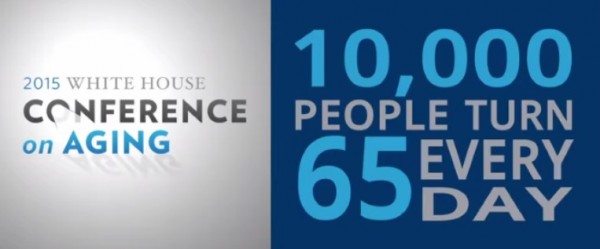
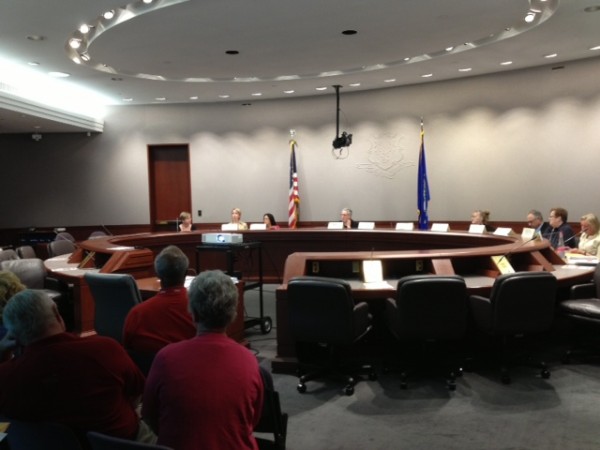
 Rather than having delegates from throughout the nation stream into Washington, D.C., Americans are asked to watch events unfold via live stream – either at home, or by getting together with co-workers or people from their local communities. Officials note that more than 600 public and private Watch Parties—in every state—have been organized and registered with WHCOA.

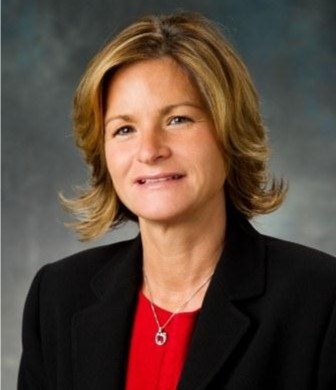 rez, U.S. Department of Labor. The panel will include Jean Chatzky, AARP Financial Ambassador; Vickie Elisa, Mothers’ Voices Georgia;
 emarks or participating in panels are Secretary Tom Perez, U.S. Department of Labor; DJ Patil, White House Office of Science and Technology Policy; Secretary Tom Vilsack, U.S. Department of Agriculture; professional athlete Diana Nyad; Vice Admiral Vivek Murthy, U.S. Surgeon General; Director Richard Cordray, Consumer Financial Protection Bureau; and Stephanie Santoso, White House Office of Science and Technology Policy.
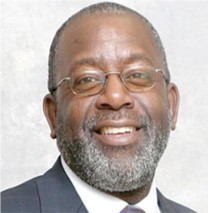
 Iowa Governor Terry Branstad provided opening remarks at Wednesday’s session, followed by Malloy’s keynote address. Branstad, a Republican, and Malloy, a Democrat, were re-elected by voters in their respective states last fall.






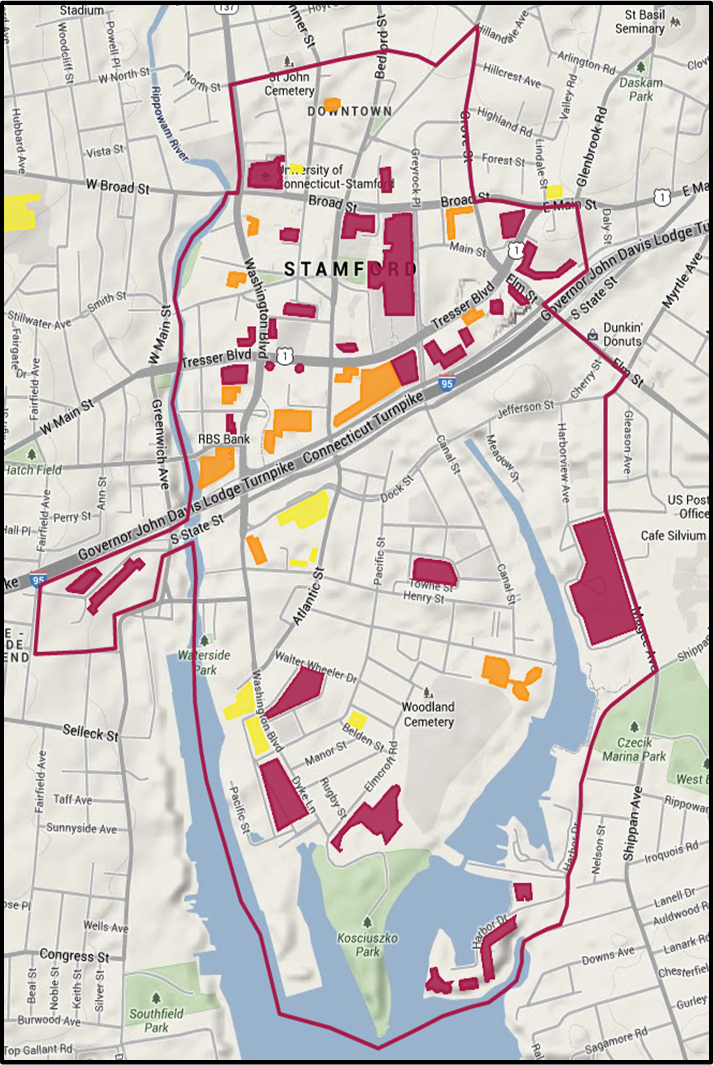 “These collective efforts will establish the Stamford 2030 District as an example of a financially viable, sustainability focused, multi-sector driven effort that maximizes profitability and prosperity for all involved. Through collaboration of diverse stakeholders, leveraging existing and developing new incentives and financing mechanisms, and creating and sharing joint resources, the Stamford 2030 District will prove the business case for healthy and high performing buildings.”
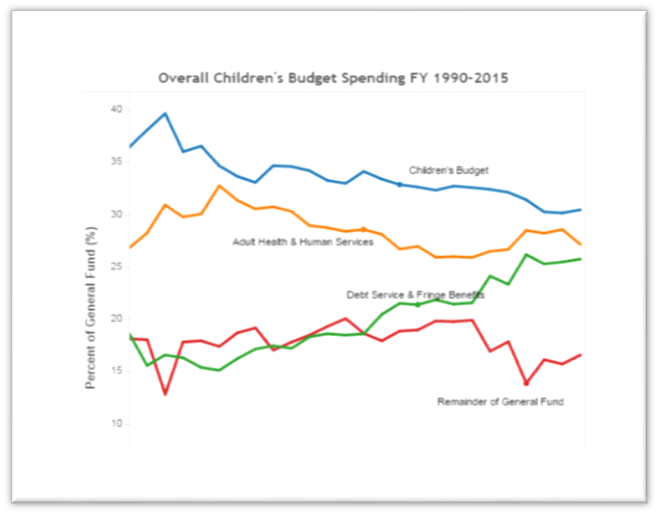
 The new interactive tool, on the Connecticut Voices for Children website, enables visitors to track spending across nearly 100 children’s programs over 25 years. Over the last two decades, spending on children’s programs


 “With more than 540 firms participating in the IPA annual Survey and Analysis of Firms this year, along with many CPA firm associations contributing to the search to identify the IPA 200, this (is) the definitive ranking of the nation’s largest public accounting firms,” said Kelly Platt, principal of The Platt Group, the publisher of IPA.
 mong the industry trends cited by the publication are tighter margins, leadership changes, globalization, new regulations, acquisition pressures, evolving technology, cultural shifts, fierce competition, and commoditization of services (firms struggling to differentiate in the marketplace).

 ss are Torrington, Danbury, West Hartford, Cheshire, Guilford, Greenwich, Plainville, Middlebury, New London, Killingly, Middletown, Fairfield, Madison, Branford, Farmington, Glastonbury, Windsor, Orange and East Hartford.

 rth. In Wyoming the gap is 37.1 percent, in New Hampshire 38.6 percent, and in South Dakota, 39 percent. In South Dakota, with the widest gap, only 10.9 percent of the wage earners in the top one percent are women.
 reas such as New York, Philadelphia, Chicago, Boston, Atlanta, and Washington.




















