Nicknames Tomahawks, Redmen, Chiefs, Warriors Remain in CT High School Sports
/The New Haven Register editorial page has called on Connecticut high schools to do what Washington’s NFL franchise has thus far refused to do. Get with the times.
The Register reports that “at least 23 high school teams in the state have names associated with Native Americans that could be considered offensive, from the Derby and Torrington Red Raiders to the Nonnewaug Chiefs or the Killingly Redmen and Glastonbury Tomahawks. Names containing Indians or Warriors are also popular among the state’s high schools,” the paper indicated.
“While these names may have initially been created with the thinking they were honoring Connecticut’s rich history, they are not only offensive, but keep us rooted in a culture of racism that has lingered for too long. And while a name change may temporarily disrupt the identity of the school and its sports teams, if done right, it can be successful and be used to the school’s advantage.”
The list of team nick names that are of concern varies. Some consider “Indians” inappropriate, yet the Cleveland Indians of Major League Baseball (MLB) have received virtually none of the criticism that has been leveled at the NFL’s Washington franchise. MLB’s Atlanta Braves fans have long been known for doing the “tomahawk chop” at teams’ games, and the NFL’s Kansas City Chiefs are not seen as being as offensive as the franchise name used in D.C.
Northwest Catholic High School in West Hartford recently told WFSB-TV that the school’s teams no longer officially use the name “Indians,” but as of this week, the schools website continued to feature its parent booster club as the “Tomahawk Club.” At Glastonbury High School, the athletics teams are called the “Tomahawks.”
There have been some changes among Connecticut’s high schools and colleges, as the Register indicates. “Quinnipiac University, for example, changed the names of its sports teams and mascot in 2002 from Braves to Bobcats. At the time the name change was announced, the school indicated that ‘the university community clearly recognized the difficulties of using a name that has the potential to misrepresent and denigrate an entire group of people. And, despite our clear intention to honor and remember the Native Americans once known as the Quinnipiaks, to do so only through athletics was foun d to be no longer appropriate.’”
In addition, “Newtown changed its name from Indians to Nighthawks. Its old Indian chief mascot had previously been discarded. Hall High School in West Hartford voted in 2012 to change its logo and mascot, but kept its team name, the Warriors,” the Register reported.
Among the Connecticut high schools that have received some attention on local and national websites are those with Indians, Chiefs, Warriors, Raiders, Sachems, Tomahawks, Redmen, Red Raiders and Chieftans (see below).
Two years ago, the Hartford Courant reported that a national Native American rights organization, the Morning Star Institute, indicated that “two-thirds of Native American symbols in educational sports have been eliminated since 1970. Among the colleges that have changed nicknames are St. John's University in New York, from the "Redmen" to the "Red Storm," and Marquette in Wisconsin, from the "Warriors" to the "Golden Eagles."
The unofficial list of high school team nicknames that are receiving attention in the midst of the Washington NFL franchise controversy:
 Canton High School (Warriors), Conard (West Hartford) High School (Chieftans), Derby High School (Red Raiders),Enfield High School (Raiders), Farmington High School (Indians), Glastonbury High School (Tomahawks), Guilford High School (Indians), Hall (West Hartford) High School (Warriors), H.C. Wilcox Technical (Meriden) High School (Indians),Killingly High School (Redmen), Manchester Senior High School (Indians), Montville High School (Indians), Newington High School (Indians), Nonnewaug (Woodbury) High School (Chiefs), North Haven Senior High School (Indians), Northwest Catholic (West Hartford) High School (Indians), Norwich Regional Vocational Technical School (Warriors), RHAM Junior Senior High School (Sachems), Torrington High School (Red Raiders), Valley Regional (Deep River) High School (Warriors), Wamogo (Litchfield) Regional High School (Warriors), Watertown High School (Indians), Wilcox Technical (Meriden) High School (Indians), Wilton High School (Warriors), Windsor High School (Warriors), Windsor Locks High School (Raiders).


 cal topic that relates to an annual theme, students conduct extensive research using libraries, archives, museums, and oral history interviews. Students analyze and interpret their findings, draw conclusions about their topic's significance in history, and create final projects that demonstrate their work.
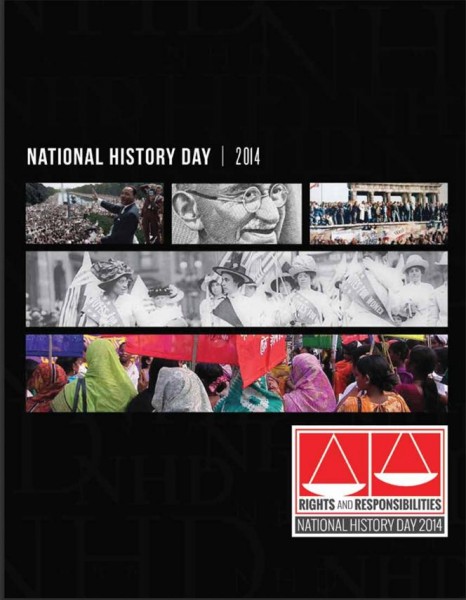 y. Participating students come from all over the United States, Guam, American Samoa, Department of Defense Schools in Europe, and affiliates in China, Korea, and Jakarta.


 In last year’s survey, Connecticut did not receive a single grade of “F.” The state’s overall grade was D+, and included an A in training & networking, B in ease of hiring, and B- in health & safety regulations. Other grades were D+, C- and C. In the first survey conducted, in 2012, Connecticut’s overall grade was D, and the state was not graded F any category.
 The first Knights game took place on April 11, 2014. (photo at left) The stadium features a two-level club with skyline views as well as a VIP, climate-controlled club with full service bar. In addition to corporate suites, there are 987 club seats at the new Charlotte stadium. Of those, 170 on the upper level sell for $41.50 per game, or nearly $3,000 per season. The remaining 817 club seats, at $21 per game, sell for about $1,500 annually. All of the club seats were sold out 10 months prior to the season opener, according to the Knights


 ed program’s sole survivor.
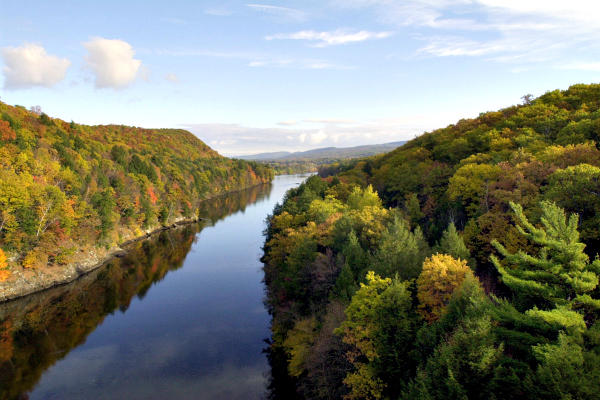 as created in May 2012 under President Barack Obama’s America’s Great Outdoors Initiative. The program was voluntary, didn’t include any new regulations, and a designation brought no additional funding, the Associated Press has reported. It was intended to promote watershed conservation and support sustainable and healthy water supplies.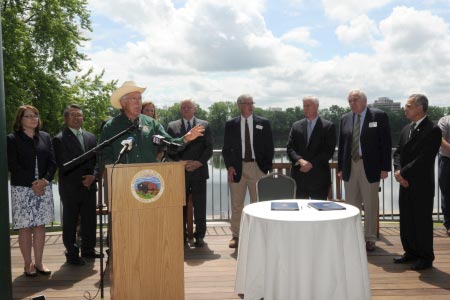
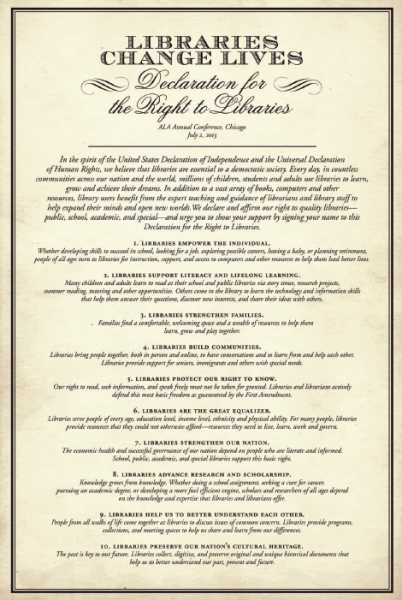 in Connecticut libraries and why it is so important that they continue to support our institutions,” officials said.
 people would prefer that companies be limited to marketing to consumers only once a year.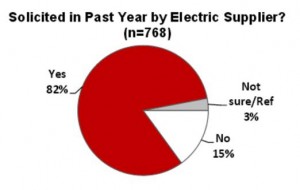
 valuating schools’ veteran-focused operations, the publication considered more than a dozen different measures of academic success, quality and rigor, as reported by schools and the Education Department, to develop the rankings.
 n benefits, BAH and book stipends from the VA.
 de by women at small and midsize museums” (often university or contemporary art institutions) where women hold nearly half of the directorships and earn on a par with men. Just five of the 33 most prominent art museums are led by women.