Neighboring States Bring in Millions in Toll Revenue; CT Remains Toll Free
/The Connecticut House of Representatives debated for nearly six hours the issue of reinstating tolls on Connecticut highways, but did not vote. Connecticut remains a toll-free state, for residents and those driving through the state. How much money might the state receive in toll revenue if tolls were imposed? The Office of Legislative Research, responding to a legislative inquiry, has surveyed neighboring states and issued a report this past week.
Toll revenue ranged from $20.4 million in FY 16 (Rhode Island) to $1.57 billion in calendar year 2016 (New Jersey), according to the legislature’s research office. In Massachusetts in FY2016, toll revenue was $395 million; in Maine $133.8 million in calendar year 2016; in New Hampshire a total of $130.7 million. 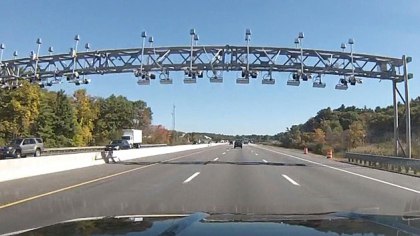
The New York Thruway Authority and New Jersey Turnpike Authority each collect tolls on their respective highways, the Office of Legislative Research (OLR) report noted. In addition, the Port Authority of New York and New Jersey collects tolls on its bridges and tunnels connecting those two states (the George Washington, Goethals, and Bayonne bridges, the Outerbridge Crossing, and the Lincoln and Holland tunnels). In calendar year 2016, the Port Authority collected $1.86 billion in toll revenue.
Tolls were eliminated by lawmakers more than three decades ago in 1983, following a horrific accident at the then-Stratford toll booths, in which six people were killed. The last Connecticut highway toll was paid at the Charter Oak Bridge in Hartford on April 28, 1989.
In their final year of operation in the mid-‘80’s, Connecticut Turnpike tolls brought the state $56.4 million, the Merritt and Wilbur Cross Parkways 11.3 million, and the three bridges in the Hartford area, $4.7 million, according to a previous OLR report issued in 2009.
Technology, however, has made traditional toll booths obsolete, and Massachusetts recently removed its toll booths, switching to an overhead electronic system – thus maintaining the revenue without extending the dangers and the highway back-ups inherent with the toll plazas. Connecticut residents driving through Massachusetts on the MassPike have noticed the striking difference.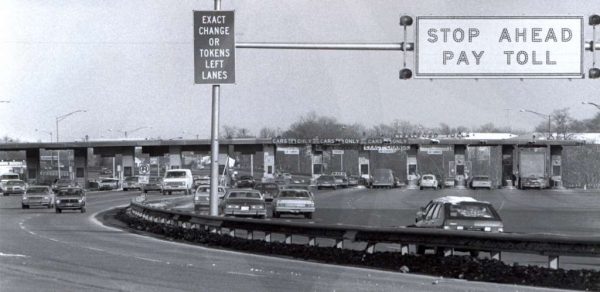
Despite projections of budget deficits in coming years, the legislature did not vote on imposing tolls as a means of raising revenue this year. It was estimated that 30 percent of the tolls would be paid by out-of-state drivers and 70 percent by Connecticut residents. Federal rules require that toll revenue from interstate highways must be used for maintenance or improvements on those highways. The legislature’s Transportation Committee had voted 19-16 in favor of the tolls bill, which led to the House debate on the proposal. It was pulled before a vote could be held.
The 2009 OLR Report also noted that according to annual data compiled by the Federal Highway Administration, in 2007 almost 32.5 percent of all the vehicle miles traveled (VMT) in Connecticut occurred on its Interstate highways. Nationally, only 24.4% percent of all VMT occurs on Interstate System. Connecticut's Interstate VMT percentage is higher than many other states, including, at the time, Massachusetts, New York, New Jersey, and Pennsylvania.
The most recent OLR Report did not estimate what Connecticut might earn in toll revenue; it merely reported on the most recent earnings of neighboring states that impose tolls on their major roadways.

 Orders. Most historians agree the Fundamental Orders are significant, but the state of Connecticut decided in 1959 to call itself the Constitution State based on the premise that the Fundamental Orders were the first constitution in North America.



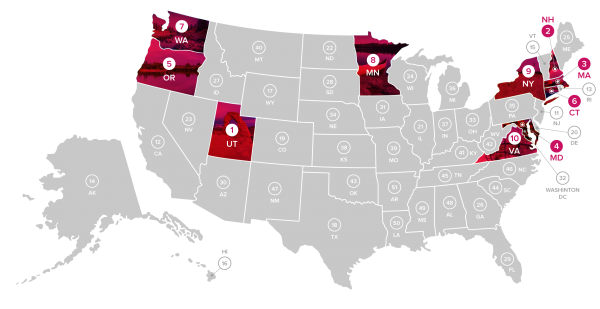
 The analysis points out that a main reason why people don’t have access to broadband internet is due to a lack of income. Cited is a Pew Research poll that found 23 percent of people making under $30,000 per year don’t use the internet, possibly because of the high price for something they don’t consider a basic need. Most rural schools across the country still lack access to fiber and pay more than twice as much for bandwidth.
 Joining the WFSB sports team in 1980 at age 27, Marshall spend five years at channel 3, moving from the nation’s number 23 TV market to number 13 when he relocated to Miami in 1985. At the time, he became the first black sports anchor in South Florida, according to published

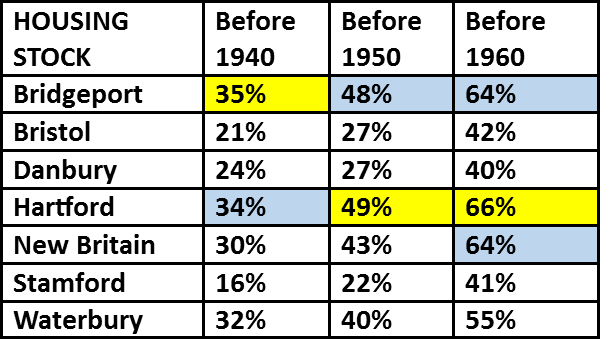
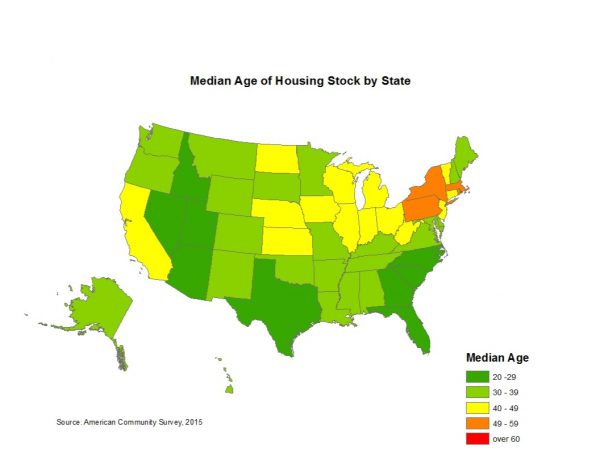
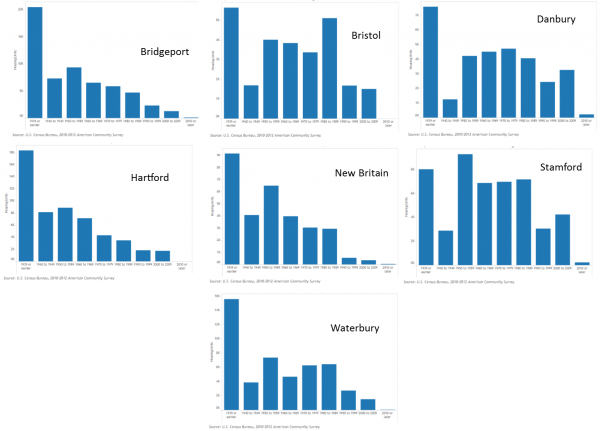


 ted Nations and vetted by the State Department in a process that takes at least 18 months. By comparison, a million or so legal immigrants arrive annually. From October 2001 through 2016, Burma, Iraq, Somalia, Bhutan, and Iran are the top five nations that send refugees to the U.S.
 There were nine states that had less than 500 refugees from a single country since October 2001: Alabama, Alaska, Arkansas, Delaware, Hawaii, Mississippi, Montana West Virginia and Wyoming.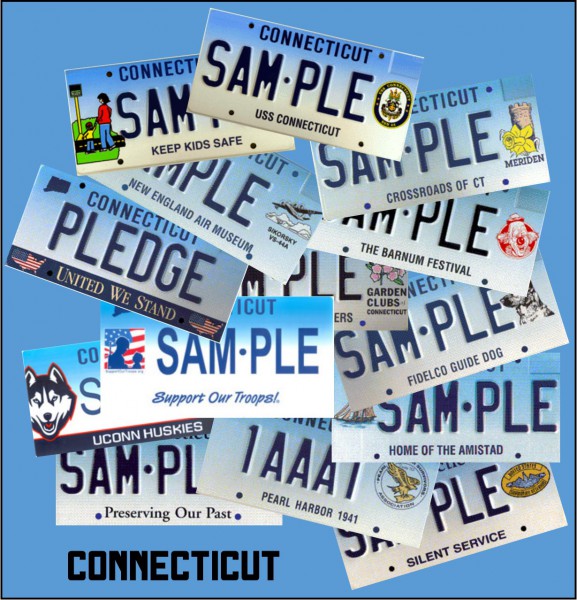
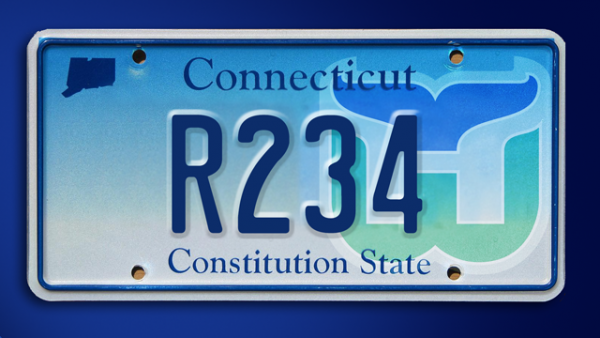 Organization vanity plates include Amistad, Benevolent & Protective Order of the Elks, IUOE Local 478, Grand Lodge of Connecticut, Knights of Columbus, Olympic Spirit, P.T. Barnum Foundation Inc., Preserving Our Past CT Trust for Historic Preservation, Red Sox Foundation, Lions Eye Research Foundation, Special Olympics, Federated Garden Clubs, Fidelco Guide Dog Foundation, Keep Kids Safe, New England Air Museum and the U.S.S. Connecticut Commissioning Committee.