Cultural and Historic Sites Receive $3 Million in Waning Weeks of Malloy Administration
/Aimed at small to medium-sized cultural organizations seeking funding for “collaborative projects which demonstrate a clear vision of how individual sites and organizations can effectively tie together local, regional or statewide cultural assets,” the Good to Great grant program was created in 2014 during the administration of former Governor Dannel Malloy to “go beyond basic facilities repair or expansion to support projects that tell the stories of our cultural and historic sites in engaging, meaningful and relevant ways.”
The final round of grants – unless the program is renewed by the Lamont administration – were announced less than three weeks prior to the change in gubernatorial leadership. The Connecticut Department of Economic and Community Development (DECD) announced $3,051,971 in grants to 12 nonprofit organizations through the program in late December.
The grants may be used for capital projects that address the rehabilitation and/or adaptive re-use of existing facilities that will transform the visitor experience, site work associated with rehabilitation projects or additions, rehabilitation of historic landscapes, or protection and/or interpretation of archaeological sites. Other appropriate uses include artists’ fees, conservator fees, construction costs, ADA accessibility, evaluation services and documentation and exhibit scripts, fabrication and installation to complement capital improvement.
The grants range between $50,000 and $150,000 and require a 25 percent cash match; grantees will have two years from date of grant contract to complete the funded project. Applicants for the state grant must be a Connecticut 501(c)(3) or 501(c)(13) organization that owns, operates and/or sponsors a cultural venue or historic site in Connecticut with an average annual income of $500,000 or less.
 The just under-the-wire recipients:
- The New England Carousel Museum in Bristol was awarded $150,000 to install a new energy-efficient, air-handling system with humidity control to protect the Museum's collection and improve the visitors' experience.
- The Connecticut Electric Railway Association (aka The Connecticut Trolley Museum) in East Windsor was awarded $50,000 to complete the on-going restoration of one of theMuseum's most historically significant trolleys - Connecticut Company Car #3001.
- The Friends of the Pinney House, Inc. in Ellington was awarded $150,000 for the interior restoration of the Pinney House so it can be used as a cultural center, a meeting place and an education site.
- Ebony Horsewomen Inc. in Hartford was awarded $50,000 to erect a pre-fab barn building to create a meeting & classroom space and a mini Black Cowboy Museum.
- The Madison Historical Society was awarded $138,600 for the restoration and preservation of the interior of Lee's Academy and to create an ADA-compatible learning and community center.
- The Denison Society, Inc. (aka Denison Homestead) in Mystic was awarded $150,000 to restore the Homestead's barn so that it may provide areas for programs, workshops and community events.
- The Norfolk Historical Society was awarded $60,546 to redesign the welcome/reception area, reinterpret gallery space and reclaim research space.
- The Keeler Tavern Preservation Society, Inc. (aka Keeler Tavern Museum & History Center) in Ridgefield was awarded $96,575 for facility improvements (climate controlled, fire-protected, well-designed storage) for its most fragile objects that relate directly to major moments in U.S. history.
- The Stonington Historical Society (aka Old Lighthouse Museum) was awarded $56,250 for a comprehensive research effort and the commission of an archeological survey of a potential Venture Smith site; creation of a permanent Venture Smith and slavery exhibit at Old Lighthouse Museum.
- The Ward Heitmann House Museum Foundation, Inc. (aka Ward Heitmann House Museum) in West Haven was awarded $150,000 to repair the foundation and exterior along with period appropriate landscaping so the House can reopen its doors to the public.
- The Eastern Connecticut Center for History, Art and Performance (aka EC-CHAP) in Willington was awarded $1,000,000 to preserve and rehabilitate two secondary buildings for use again as an in-residence artist and a café and conduct a water mitigation plan for the main structure.
- The Mary & Eliza Freeman Center for History and Community in Bridgeport was awarded $1,000,000 for the exterior restoration of both structures, as well as the interior restoration of the Eliza Freeman House.
The grant award recipients constituted the final announcement of 2018 by the state Department of Economic and Community Development. Nineteen days later, Gov. Lamont took the oath of office. He is expected to announce the department's new leadership and management structure in the coming days.


 “Girl Scouts is one of our nation’s most powerful leadership training grounds for young women,” said Openshaw. “We’re thrilled to support Girl Scouts as it seeks to modernize and remain relevant for young women in the new global economy.”
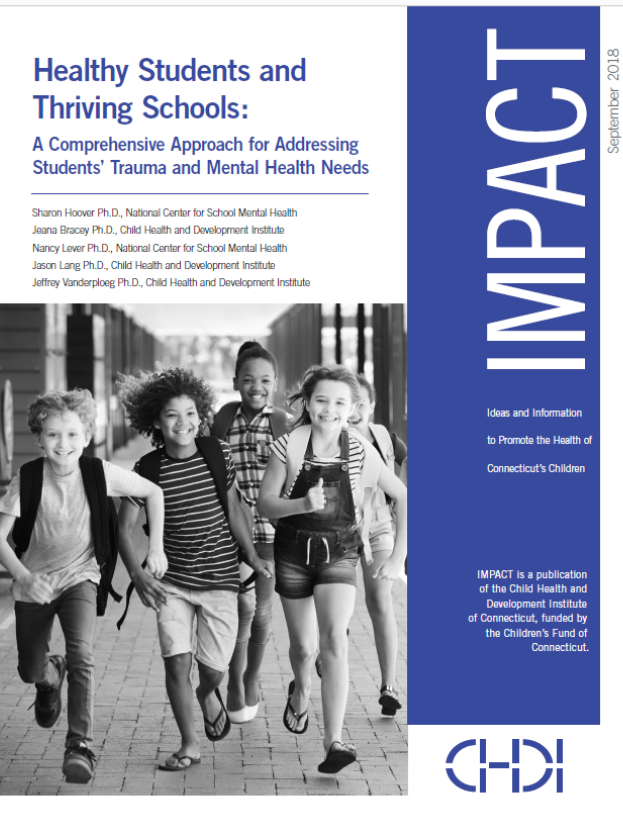 The 40-page report, developed by The Child Health and Development Institute of Connecticut (CHDI), a subsidiary of the Children’s Fund of Connecticut, in partnership with the national Center for School Mental Health at the University of Maryland, provides a framework for policymakers and school districts interested in improving outcomes by addressing the mental health and trauma needs of students. The report indicates that “in a typical classroom of 25 students, approximately five will meet criteria for a mental health disorder but most of them are not receiving appropriate mental health treatment or support. Among those who do access care, approximately 70 percent receive services through their schools.”
 “Approaching student mental health with a comprehensive lens that integrates health promotion, prevention, early intervention, and more intensive treatments leads to better school, student and community outcomes," said Dr. Sharon Hoover, Co-Director of the Center for School Mental Health at the University of Maryland and lead author of the report.

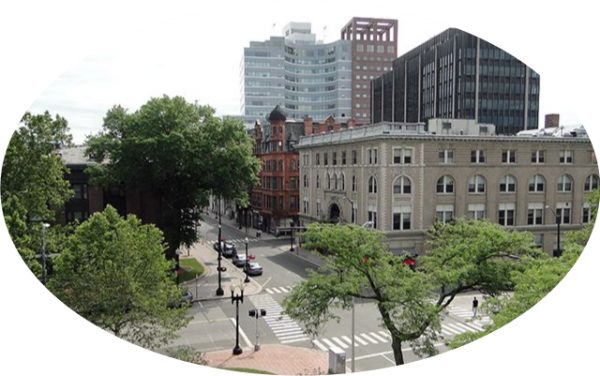

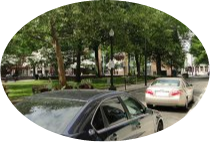 According to the Nature Conservancy, Bridgeport currently has a 19% tree canopy cover, for example. If all open spaces, vacant lots and parking lots could be planted, the city would have a 62% tree canopy cover. The ramifications would be substantial, impacting various health and quality of life factors.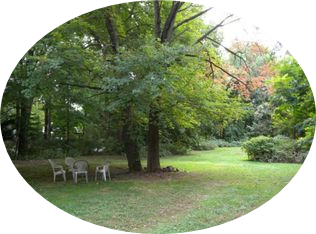

 “This is an exciting opportunity for all of us at Foodshare. More produce and healthier options: that’s the future of food banking,” said Jason Jakubowski, President and CEO of Foodshare.
 state with a lower rate was Massachusetts.

 Once every 19 minutes, a senior citizen in America dies as a result of injuries sustained during a fall. The older Americans became, the greater their risk of dying from a fall. In 2016, there were 15.6 fatal falls for every 100,000 Americans between the ages of 65 and 74. Among adults ages 75 to 84, there were 61.4 such deaths per 100,000 people. And for those ages 85 and up, there were 247.9 fatal falls per 100,000 people.
 More than 250 attendees will include consultants, coaches, funders, academics, and executives from across the country. The conference intends to “convene the diverse perspectives that shape and advance our field.”