Head Impacts in Lacrosse Subject of Closely Watched Study at Sacred Heart University
/With heightened focus in recent years on the ramifications of concussions on the careers and lives of athletes – especially professional football players – research is gaining interest and attention in a range of contact sports. The recent release of the popular movie Concussion has pushed awareness and interest even further – along with the appetite for scientific research. In Connecticut, Sacred Heart University (SHU) is underway with poised to start the third year of a four-year study of the school’s men’s lacrosse team, which will be among the first comprehensive studies looking at head impact and concussions in the sport at the college level. U.S. Lacrosse, the sport’s governing body, provided the SHU athletic-training education program a $15,000 grant to study the effects of on-the-field head impacts. The 2016 season began on February 13 and runs through April 30.
The SHU study got underway in January 2014 and was initially focused on freshmen players. It has continued to monitor the same athletes as they progress through their four-year lacrosse career. The goal is to gain a better understanding of concussions in the sport and ultimately generate insights for safer play.
Theresa Miyashita, director and assistant professor for the athletic training education program, launched the accelerometer concussion study at the University. The research involves the use of accelerometers in the team’s helmets. These sensors detect the amount of impact (in Gs or standard gravity acceleration) a player receives when he gets hit by a ball, a stick, another player or hits the ground.
“We are one of the first in the country to embark on an accelerometer concussion study of this size in men’s lacrosse,” said Miyashita. “We are collaborating with Professor Michael Higgins at Towson University, who is conducting a similar study to compare impacts on different helmets (Cascade vs. Warrior). This research targets the fastest-growing team sport in America.”
The players have been wearing these sensors in their helmets for the entire season – both in practices and games. The information received from the sensors is then uploaded to see the number of impacts sustained, where the impacts were sustained and the amount of Gs each impact had. This data is then compared to a number of different variables such as neurocognitive function, modified IQ scores, depression/anxiety, alcohol/drug dependency screens and concussion injuries. The players were baseline tested and are given a post-test when each season is complete.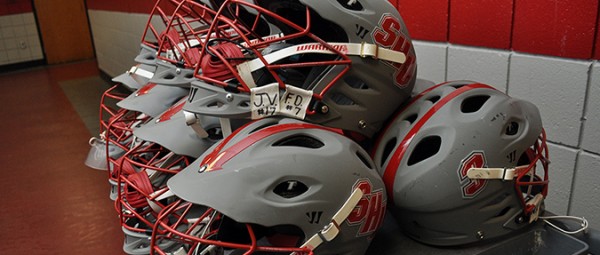
The study is being done in partnership with a Canadian company, GForceTracker, which has developed “an advanced athlete monitoring system used to collect, measure, and analyze head impacts & biometric performance data, all in real time.” The company produces a “Hit Count® Certified, advanced linear g-force and rotational impact sensor monitoring system that accumulates a lifetime of head impacts.”
The detection device monitors, measures and provides vital statistics such as number of impacts, severity of impacts, local alarming when the impact exceeds an acceptable threshold and accumulates this data to provide key metrics that determine whether its user has suffered a possible head injury. The GFT is currently the only Hit Count® Certified head impact sensor on the market, the company’s website indicates, “and can be used by individual players or entire teams in both helmeted and non-helmeted sports.”
“The men’s lacrosse team and their coach, John Basti, have been huge supporters and have been instrumental in getting this project running,” Miyashita said. “This project would not be possible without them and the rest of my research team.”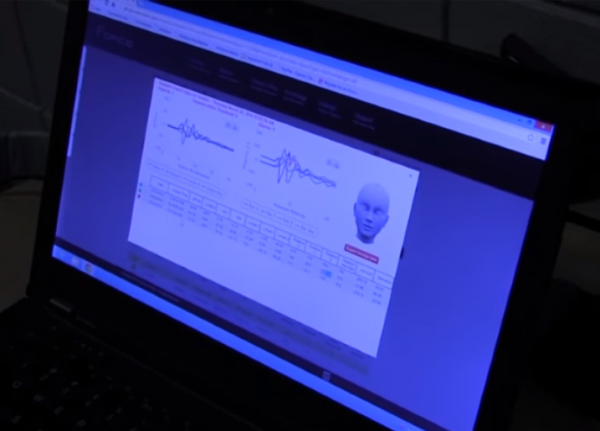
Miyashita’s team consists of Professor Eleni Diakogeorgiou; Kaitlyn Marrie, staff member for the athletic training program; Mary Jo Mason from the Health and Wellness Center, Professor Kelly Copperthite and a number of her athletic training students. The Fairfield County Business Journal recently reported that Miyashita’s husband is a former professional player who is now assistant coach of the SHU men’s team.
Sacred Heart University, with a student population of 6,400, is the second-largest independent Catholic university in New England, offering more than 50 undergraduate, graduate and doctoral programs on its main campus in Fairfield. The SHU Pioneers' men's lacrosse team competes in the Northeast Conference of the NCAA Division 1.
https://youtu.be/TewBxtexNjE

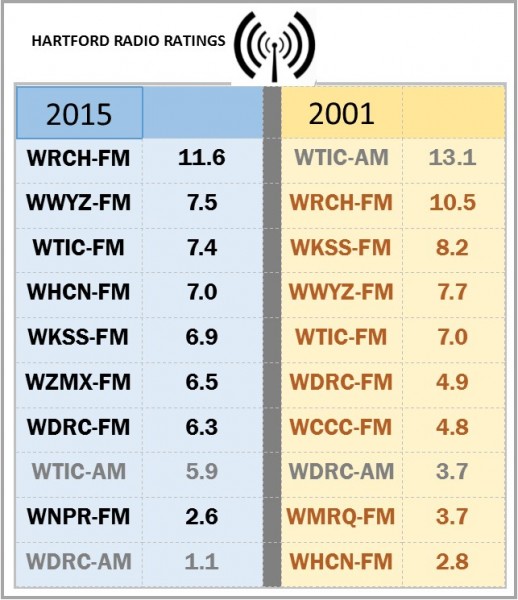
 Also making the list were Evariant of Farmington, a software developer, at number 272, and HP One, a software company in Trumbull at number 307. Biopharmaceutical company Alexion, in the midst of moving its headquarters from Cheshire to New Haven, was ranked at number 349, and etouches, a Norwalk software company ranked at number 357. Rounding out the Connecticut companies on the list is Wallingford oil extraction technology company APS Tecnhology, at number 466.
 rough technology’s continued disruption and proliferation across industries,” said Sandra Shirai, principal, Deloitte Consulting LLP and US technology, media, and telecommunications leader.
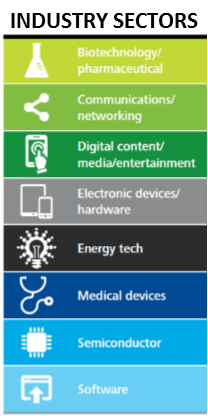 Overall, 283 of the 500 companies were in the software sector, and 67 percent of the 500 companies have received venture capital funding at some point in their company’s history. Topping the list was StartApp, with a growth rate of 21,984 percent from 2011 to 2014. Based in New York and founded in 2010, StartApp provides a free monetization and distribution platform that integrates with applications on mobile devices.
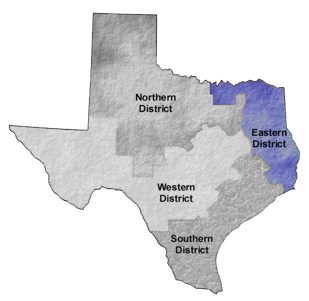 While action to combat the rapidly escalating challenge to businesses of every size has been unable to navigate through a divided Congress, the problem is growing. One jurisdiction in particular is a hospitable home for the legal attacks. Federal court in the Eastern District of Texas is the epicenter of patent troll litigation, and nearly 50 Connecticut companies are among those hauled into court there under dubious circumstances.


 MassChallenge, an independent nonprofit organization, envisions “a creative and inspired society in which everyone recognizes that they can define their future, and is empowered to maximize their impact.” They note that “novice entrepreneurs require advice, resources and funding to bring their ideas to fruition. Currently there is a gap between the resources these entrepreneurs need and the ability of the entrepreneurial ecosystem to provide them.” To bridge that gap, the organization’s primary activities include running an annual global accelerator program and startup competition, documenting and organizing key resources, and organizing training and networking events. They “connect entrepreneurs with the resources they need to launch and succeed immediately.”
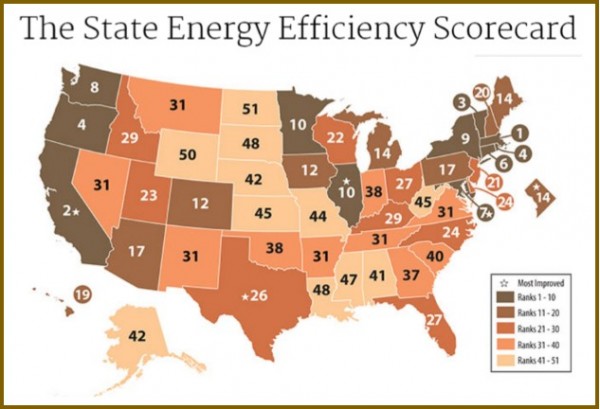 nd compliance efforts, earned 3 points out of 4 for its combined heat and power policies and programs, 5.5 out of 7 points for state-led energy efficiency initiatives, and 1 point out of 2 for appliance standards.
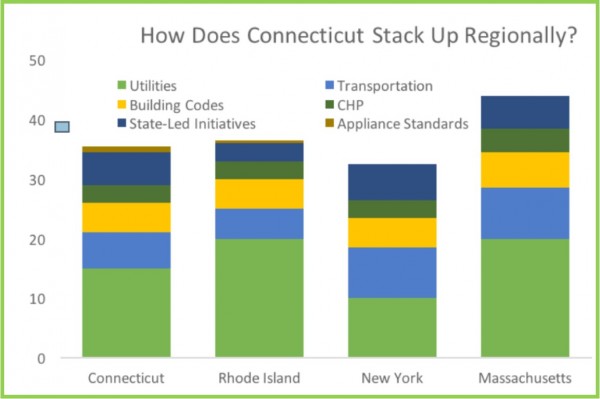 olar power in Connecticut has grown 221 percent per Capita since 2012, ranking the state 13th in the nation, the report points out. The top solar growth states in the nation, like Connecticut, have adopted renewable energy requirements, strong laws allowing solar customers to sell their excess power to the electric grid, and other policies encouraging growth of the industry, the report indicates. The industry is also adding jobs much faster than the overall economy, employing 1,600 people in Connecticut last year, according to
  ."
."


 The news came just weeks after it was announced that Laurencin is the recipient of the 2016 Founders Award, the highest honor of The Society For Biomaterials. He will be honored at the 2016 World Biomaterials Congress in Montreal, Canada on May 18, 2016.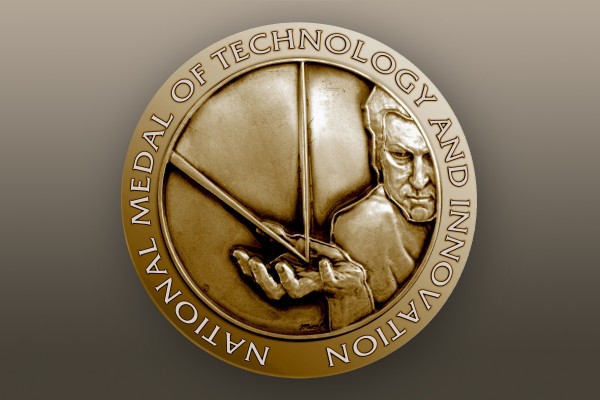


 The
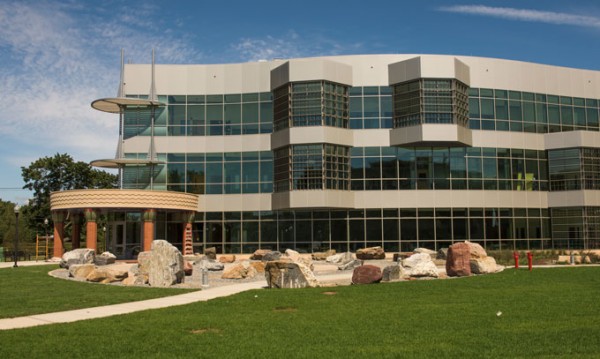
The  Plans for the new Academic Science & Laboratory Building at Southern began back in 2007 with a comprehensive 10-year capital improvement plan, dubbed CSUS 2020, for upgrading the four institutions of the Connecticut State University System. Approved by the state legislature and signed into law by Gov. M. Jodi Rell, the plan was developed during the administration of Chancellor David G. Carter. It included upgrades and repairs to existing facilities, as well as construction of a new Visual & Performing Arts Center at Western Connecticut State University, which

 The celebration also included a tour of the lab’s research and development projects. Employees from Alstom’s nearby Windsor, campus, where the
  company employs more than 1,000 people, also attended tours of the new facility.