National Startup Analysis Sees Potential, Standout Efforts Underway in Hartford
/A new analysis of the status of the business startup community in six American cities – including Hartford – has found that Connecticut’s Capitol City has “strong startup potential,” and in some ways is already standing out among peers and competitors.
Startup Genome, with support from the Kauffman Foundation, selected six U.S. metropolitan areas that are not in the top 40 most populous and which have been faring less well economically than the country as a whole for a deeper analysis. In addition to Hartford, the analysis includes Albuquerque, Fresno, New Orleans, Reno and Springfield, MA.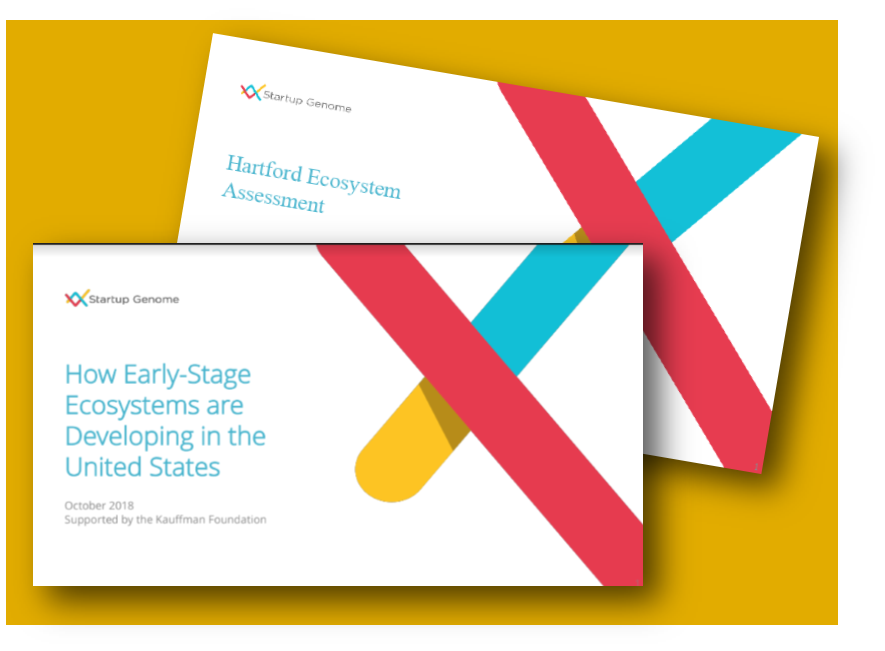
“In each of these metros, efforts are underway to support entrepreneurs, create more startups, and generate stronger economic trajectories. Like many other American cities (and elsewhere), they’ve been through economic ups and downs and now see startups as their next best hope for sustainable and broadly-shared growth,” the report, released this week, points out. Startup Genome works to increase the success rate of startups and improve the performance of startups across more than 30 countries.
“Every startup ecosystem shows room for growth and improvement, and Hartford has key strengths to build on. The city's strong heritage in insurance is already being leveraged by many stakeholders and the ecosystem is clearly attracting experienced talent to start and join companies,” Dane Stangler, president & chief policy officer of Startup Genome told CT by the Numbers.
In Hartford, reSET, which specializes in encouraging and assisting entrepreneurship and social enterprise, was among several local partners with whom Startup Genome worked to gather data from more than 300 respondents. Additional partners were the MetroHartford Alliance, Wesleyan University, UConn’s Connecticut Center for Entrepreneurship and Innovation, Upward Hartford, as well as Launch EZ, the West Hartford Chamber of Commerce and others.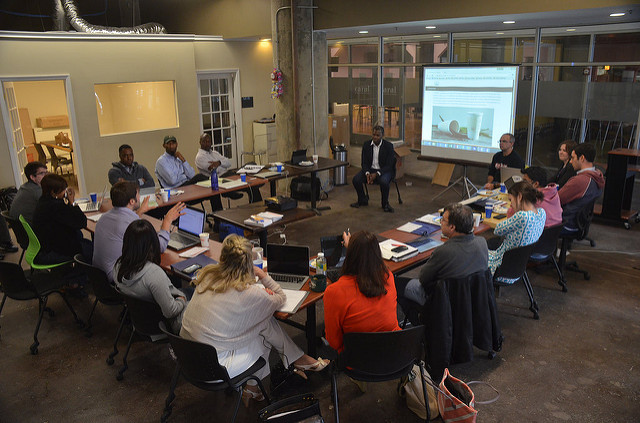
“More broadly, Hartford shows greater diversity than peer ecosystems and already has a few hundred startups operating. By continuing to strengthen the local culture and focusing on startup success in key areas, the Hartford economy will enjoy higher levels of job creation and growth,” Stangler added.
Hartford and the other cities were determined to be in the Early Activation phase of the Ecosystem Lifecycle, with a mix of prominent attributes and areas with potential yet to be realized. In its analysis, the report indicates that “just in the span of a few years the startup scene has exploded,” in Hartford, noting that:
- investors and experts in Hartford provide more hours of help to founders than in the other cities, and more than the global average. (Experts include university faculty, corporate employees, mentors, and others.)
- nearly four in 10 founders in Hartford are women, which is twice the global average across all ecosystems in the Startup Genome database.
- 11 percent of startup founders in Hartford are immigrants, the second-highest in the sample.
“We’re so grateful that Startup Genome was able to include Hartford in its recent analysis of early-stage ecosystems, thanks to support from the Kauffman Foundation,” said reSET Managing Director Ojala Naeem. “Our great city is too often overlooked, and with local and state funding being what they are, national attention on all of the amazing businesses making an impact here is more important than ever. We have so many smart and motivated entrepreneurs who are worthy of investment consideration. They just need a spotlight.”
 The comprehensive assessment of Hartford’s ecosystem also noted that “Hartford’s [startup] founders claim to have the right ambition to go global,” concluding that “Hartford’s startups have more potential to strengthen Global Market Reach and Global Connectedness.” In a number of areas analyzed in the assessment, Hartford is seen as having potential to strengthen the local startup community, its reach beyond Hartford, and the demographic of startup teams.
During the past seven years Startup Genome has provided a way for entrepreneurs everywhere to “tell us about their journeys and their regions - giving their local expertise a voice at the policy-making table.” The organization’s primary research with founders, supplemented with secondary research and data from global and local partners, helps create the world’s most comprehensive research on startups. Approximately 10,000 startup founders fill out global survey providing direct input each year.

“Hartford has some record of successes – generating more will help ecosystem size and performance,” Startup Genome observed in its assessment of Hartford.


 The VentureClash competition started with applications from 300 companies from more than 15 countries. After two rounds of judging, nine finalists were named, and they then went on to compete at the live pitch event. The judges included investors and subject-matter experts from Greycroft Partners, Oak HC/FT, Real Ventures, Stanley Ventures, Teamworthy Ventures, Travelers and the Royal Bank of Scotland.


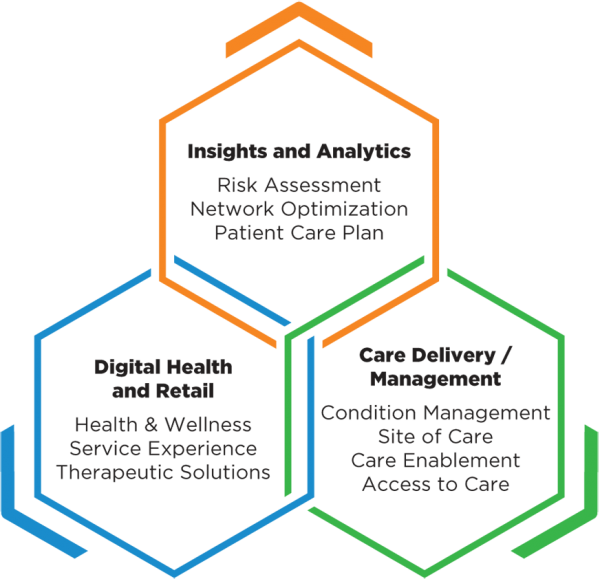 Companies in the portfolio, according to published reports, include Omada Health, a digital therapeutics company treating chronic diseases; Prognos, a predictive analytics company for healthcare; Contessa Health, a home-patient care service; Mdlive, which provides remote health consultations; and Cricket Health, a special kidney care provider.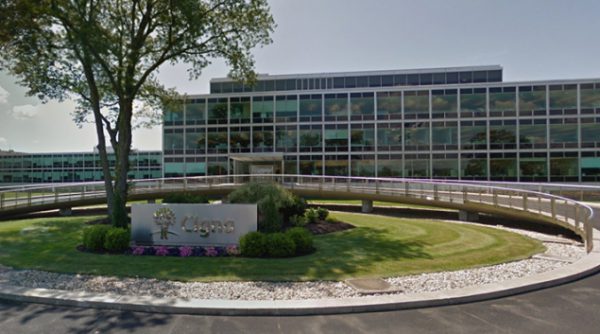



 Timex
Timex

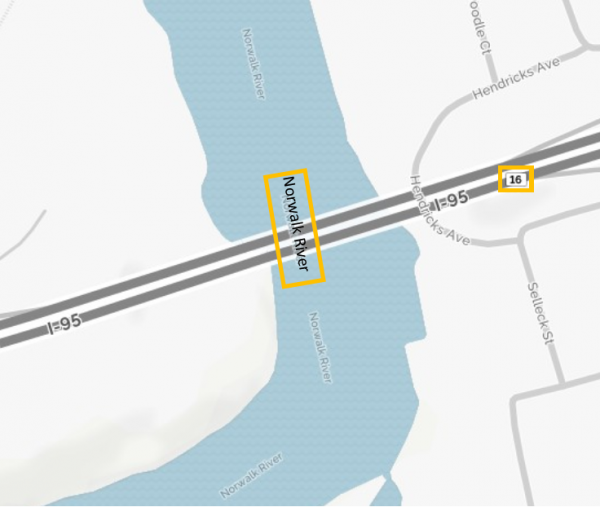

 The Indianapolis Star reported earlier this summer that the state signed a $9.6 million contract with HNTB Indiana Inc. to study the impact of tolling and provide project planning if the state chooses to move forward with tolling. The administration of Gov. Eric Holcomb is required to study tolling under a road-funding plan lawmakers passed in 2017, but a decision has not been made on whether the state will go forward with authorizing a tolling plan, according to published reports.

 The state currently operates advanced manufacturing programs at Asnuntuck, Housatonic, Manchester, Middlesex, Naugatuck Valley, Quinnebaug Valley and Three Rivers community colleges.
 The three institutions will work during the next few months to develop the curriculum, establish an advisory board, create a virtual inter-institutional platform, and plan to start recruiting for the first cohort of students. All three institutions have a lengthy pedigree in engineering, and effective programs to advance entrepreneurship at the undergraduate level. UNH