Top Companies Profiting from War: Two Have Major CT Presence
/An analysis to determine the top 20 companies across the globe that are “profiting the most from war,” finds two with Connecticut connections. Virginia’s General Dynamics, parent company of Groton-based Electric Boat is ranked at #6 and Farmington-headquartered United Technologies is at #11.
In its analysis, the website 24/7 Wall St. indicated that “global military spending increased by 3.9% in 2017, according to the Stockholm International Peace Research Institute. The global rise was driven partially by a $9.6 billion hike in U.S. spending — the United States is the world’s largest defense spender by a wide margin. What growing arms investments will mean for the future of international peace is unclear. What is clear is that defense companies around the world are benefitting tremendously.”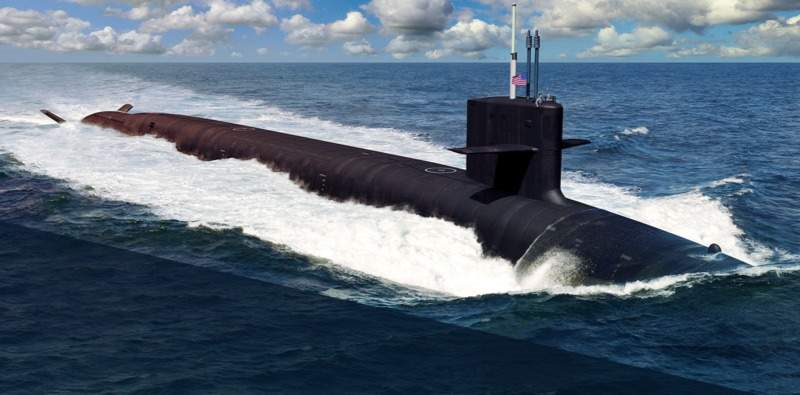
The analysis also found that:
- Total arms sales among the world’s 100 largest defense contractors topped $398 billion in 2017 after climbing for the third consecutive years.
- Russia became the second largest arms-producing country this year, overtaking the United Kingdom for the first time since 2002.
- The United States is home to half of the world’s 10 largest defense contractors, and American companies account for 57% of total arms sales of the world’s 100 largest defense contractors (based on SIPRI data).
Leading the list was Maryland-based Lockheed Martin, the largest defense contractor in the world, with $44.9 billion in arms sales. Rounding out the top five were Boeing, Raytheon, BAE Systems, and Northrup Grumman.
For United Technologies, the analysis indicated arms sales of $7.8 billion, total sales of $59.8 billion, and profit of $4.9 billion, led by its subsidiary brands Collins Aerospace and Pratt & Whitney. Collins Aerospace designs and sells advanced systems for military helicopters, including rescue hoists, autopilot systems, and laser guided weapon warning systems, the report noted. Pratt & Whitney designs and manufactures engines currently in use by 34 militaries worldwide.
United Technologies recently announced plans to split into three independent companies. Plans are for company’s defense division to remain under the United Technologies name, as the Otis Elevator Company and Carrier breaking off as independent entities.
During 2017, General Dynamics – based in Falls Church, Virginia, - sold $19.5 billion worth of arms, the fifth most of any U.S. company and the sixth most of any company worldwide. In the past year, General Dynamics earned a $5.1 billion contract to design and develop a prototype of the Columbia-class submarine. Electric Boat was awarded a contract modification to continue development of the US Navy’s next-generation Columbia-class ballistic-missile submarine.
“In close collaboration with the navy and the submarine industrial base, Electric Boat will continue to lead key aspects of the Columbia-class development effort,” said General Dynamics Electric Boat president Jeffrey S Geiger. “This work includes design, material procurement, construction and operating cost reduction. The entire Columbia-class team is committed to achieving an affordable and effective programme. Our nation’s security depends on it.”

 The University of Saint Joseph (USJ)
  The accelerated change in attitude at DOT since Redeker took the helm in 2011 was evident in his being warmly introduced as a friend prior to his keynote address – not the adversary that previous vehicle-centric commissioners may have been. He went on to highlight the department’s work on state projects, and in concert with municipalities, that is steadily transforming Connecticut into a more pedestrian and bike-friendly state.







 The comprehensive assessment of Hartford’s ecosystem also noted that “Hartford’s [startup] founders claim to have the right ambition to go global,” concluding that “Hartford’s startups have more potential to strengthen Global Market Reach and Global Connectedness.” In a number of areas analyzed in the assessment, Hartford is seen as having potential to strengthen the local startup community, its reach beyond Hartford, and the demographic of startup teams.


 The VentureClash competition started with applications from 300 companies from more than 15 countries. After two rounds of judging, nine finalists were named, and they then went on to compete at the live pitch event. The judges included investors and subject-matter experts from Greycroft Partners, Oak HC/FT, Real Ventures, Stanley Ventures, Teamworthy Ventures, Travelers and the Royal Bank of Scotland.


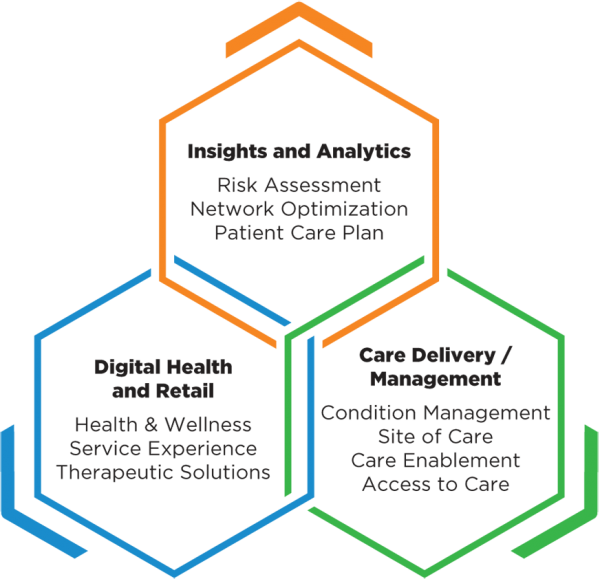 Companies in the portfolio, according to published reports, include Omada Health, a digital therapeutics company treating chronic diseases; Prognos, a predictive analytics company for healthcare; Contessa Health, a home-patient care service; Mdlive, which provides remote health consultations; and Cricket Health, a special kidney care provider.



 Timex
Timex