France Replaces Canada As #1 Nation for Connecticut Exports in 2013
/
France replaced Canada as Connecticut’s top export partner in 2013. Exports to France jumped from 1.9 billion to 2.4 billion, compared with the previous year, while exports from Connecticut to Canada remained steady at 1.9 billion. During 2013, France received 14.8 percent of the state’s exports, while Canada received 11.6 percent, according to data from the U.S. Department of Commerce.
Germany (1.4 billion), United Arab Emirates (1.2 billion) and Mexico ($1.2 billion) round out Connecticut’s top five for 2013. Germany also ranked third in 2012. In 2013, UAE edged Mexico for fourth place among Connecticut’s leading export recipients, the reverse of their standing the previous year. 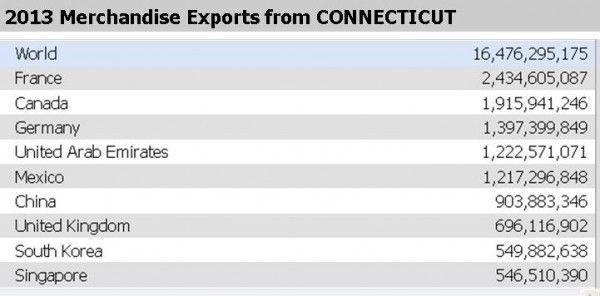
Overall, shipments of merchandise from Connecticut in 2013 totaled $16.5 billion, according to data from the Department of Commerce’s International Trade Administration – an increase of 3.2 percent from the previous year. Connecticut was one of 16 states setting annual export records. Exports were 15.9 billion a year ago, which was a drop from 16.2 billion in 2011 and 16.0 billion in 2010.
 Overall, the European Union was Connecticut’s largest export market, with average exports (2011-2013) totaling $6 billion annually, the agency’s report noted.
The state's largest merchandise export category is Transportation Equipment, which accounted for $8.0 billion of Connecticut's total merchandise exports in 2013, a category dominated by civilian aircraft, engines and parts, according to Commerce Department data. Other top merchandise exports are Machinery, Except Electrical ($1.9billion), Computer & Electronic Products ($1.3billion), Chemicals ($998 million), and Electrical Equipment, Appliances & Components ($760 million).
After the top five, Connecticut’s export recipients, in order, are China, United Kingdom, South Korea, Singapore, Japan, Netherlands, Brazil, Malaysia, Qatar and Turkey, rounding out the top 15.
In a year-to-year comparison of 2013 to 2012, exports to France increased by a substantial 27 percent, to Singapore by 13.6 percent and to the UAE by 12.3 percent. Exports to Columbia jumped 232 percent, from $66 million to $219 million. Exports dropped slightly to Japan, China, Malaysia and the Netherlands.
The United States currently has free trade 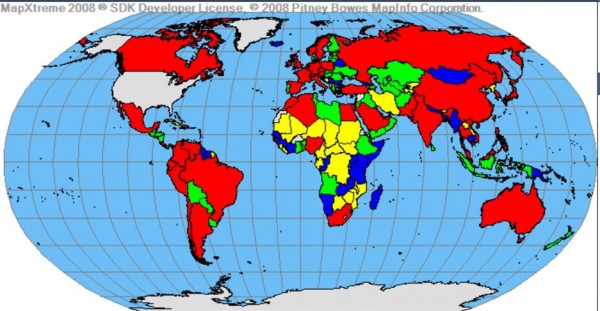 agreements in force with 20 countries, which account for $5.0 billion (30 percent) of Connecticut’s exports. During the past 10 years, exports from Connecticut to these markets grew by 69 percent, with NAFTA, Korea, Singapore, Colombia, and Israel showing the largest dollar growth during this period, the agency reported.
Connecticut’s goods exports to all Trans-Pacific Partnership markets increased by 9 percent from 2011 to 2013. During this period, 29 percent of Connecticut’s total goods exports went to the TPP nations, which include Australia, Brunei, Canada, Chile, Japan, Malaysia, Mexico, New Zealand, Peru, Singapore and Vietnam. In 2013, 44 percent of total U.S. exports went to TPP nations, where the U.S. has focused on “creating a high standard, regional agreement that opens new markets and knits together existing U.S. trade agreements,” according to the agency’s update report.
The U.S. set an all-time record 2.3 trillion in exports in 2013. Joining Connecticut in reaching state export records (see interactive map) were Texas, California, Washington, Louisiana, Michigan, Ohio, Georgia, Tennessee, North Carolina, South Carolina, Kentucky, Mississippi, Maryland, Colorado and Oklahoma.
Over one-quarter (27.4 percent) of all manufacturing workers in Connecticut depended on exports for their jobs, according to 2011, the most recent available in that category. A total of 6,020 companies exported from Connecticut locations in 2011. Of those, 5,357(89.0percent) were small and medium-sized enterprises with fewer than 500 employees. Small and medium-sized firms generated over one quarter (26.6percent) of Connecticut's total exports of merchandise in 2011.


 y farther back, in 2009 the total was 5,334,322. The Bradley International Airport

 The proposal was also supported by the
 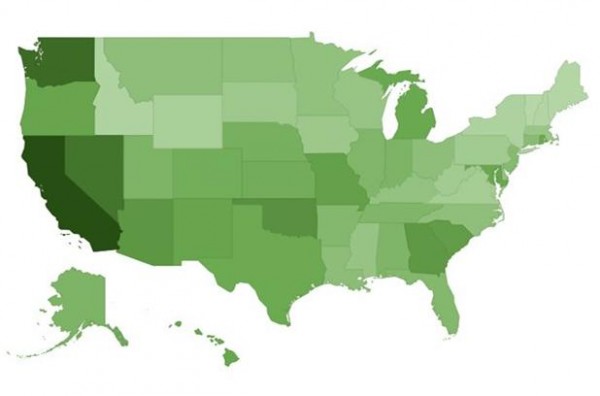 1, but still outdistanced all 50 states.
 , based on a nationwide map developed using county-by-county data, is to be believed.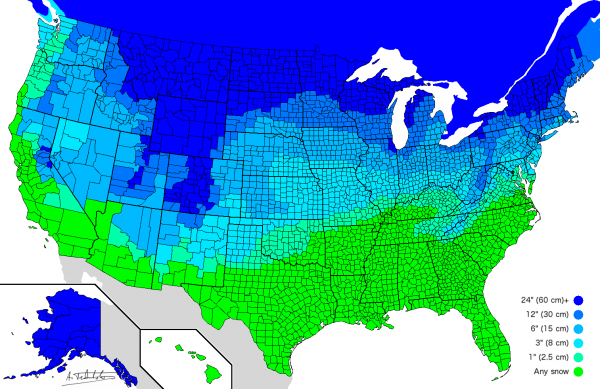
 luding plug-in hybrids – and the other will go to the dealer who sells or leases the most EVs as a percentage of total sales during the period.
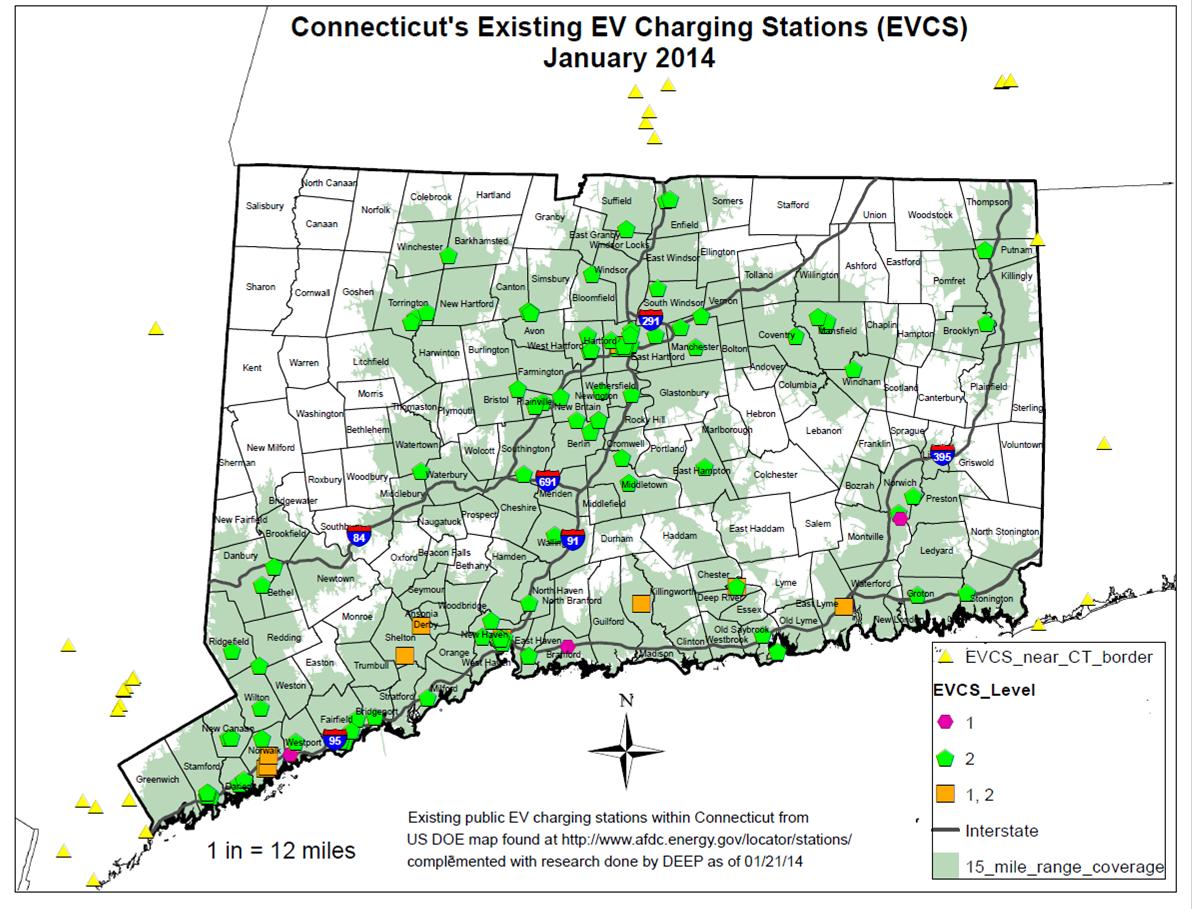 al Protection provides an
 ses running this service are frequently at or above capacity with some occurrences where riders must be turned away. “At a minimum,” the report recommends, “additional investment of state funds would be required to support additional buses to provide a consistent level of services and improve service quality.”
 und and southbound, or eastbound and westbound).
 enjoyable. Participating businesses must indicate how many potential visitors they hope to attract at various periods during the year. Those accepted
  into the signage program must annually update DOT on their visitor-traffic counts and provide related information.
 During the past five years, inbound moves peaked in 2010 at 1,009 – with a just slightly higher 1,160 outbound moves. Since then, the numbers have skewed increasingly out-of-state, Atlas reported.
 ssistant marketing manager at Fallon Moving and Storage in Windsor, agreed. "Texas is big. We also do lots of Virginia, North Carolina and South Carolina," she said in a phone interview Friday afternoon.