New Haven Leads the Way in Major Transportation Infrastructure Projects Underway
/There’s a decidedly New Haven bend to the state’s largest ongoing transportation infrastructure projects. A listing of the largest Department of Transportation (DOT) projects indicates that of the top 20 projects, eight of them are in New Haven, including four of the top six. The largest project is the construction of the Pearl Harbor Memorial Bridge, better known ats the Q-bridge, which carries I-95 over the Quinnipiac River. The $417 million project began in 2009 and is slated for completion in 2015.
The second largest project is less than a st one’s throw away. The reconstruction of the I-95/I-91/Route34 interchange in New Haven began in 2011 and is estimated to be completed in 2016, at a cost of $359.9 million.
Ranked as the third largest DOT infrastructure project now underway is the reconstruction of the Moses Wheeler Bridge, which brings I-95 over the Housatonic River in Stratford.
It’s back to New Haven for the fourth largest ongoing project, the facilities improvements to the New Haven Rail Yard, including construction of a component changeout shop. The estimated cost is $160.9 million, with the project due to be completed next April.
The Hartford-New Britain area of central Connecticut has the fifth largest project, the construction of the CTfastrack bus corridor. The I-95 West River Bridge replacement in New Haven is number six, followed by catenary replacement in Bridgeport (number 7) and New Haven (number 8).
There are approximately 200 track miles of overhead catenary lines powering trains in Connecticut. Officials have described the job of replacement those lines “while still operating the nation’s busiest commuter rail services, as a “monumental task.” The original lines were put in place at the turn of the century – the 20th century – more than 100 years ago.
The full list of the top 20 projects currently underway in Connecticut was compiled by Hartford Business Journal with data provided by the state Department of Transportation.
 tive Director of the

 vable Communities
 rcent, with less than 2 percent growth for people age 20 to 64 during the same period.

 asier to walk and bike by implementing "complete streets" in cities and towns across Connecticut. Complete streets make it easier and safer for people to get around on foot or by bike, in order to become more physically active.
 ut the
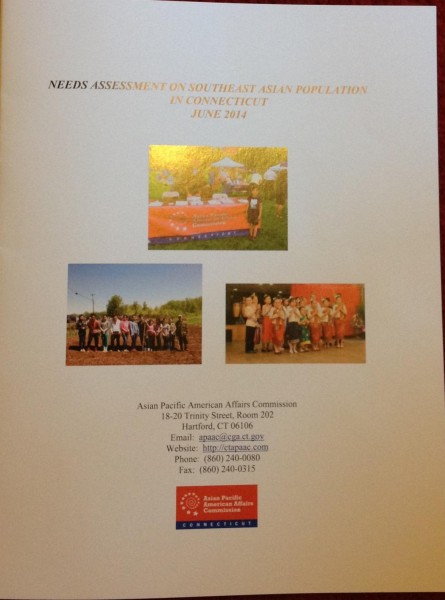
  nd Connecticut Coalition of Mutual Assistance Associations. The project was also supported by the Asian American Studies Institute at UConn, the UConn School of Pharmacy and the UConn School of Social Work. It focused on housing, education, language access, employment, access to public resources, and medical and mental health.
 Healthcare Concerns
 d education, promoting preventative care, actively recruiting APA members in various professional fields, creating diversity in the workforce, translating materials into the most common APA languages, and raising awareness among the APA population regarding their rights.
 ven are “overflowing with impossible ideas and the people who make them happen. We believe connecting to all three -- the place, the thinking, and the people -- can increase the probability of success for others who have impossible ideas.”
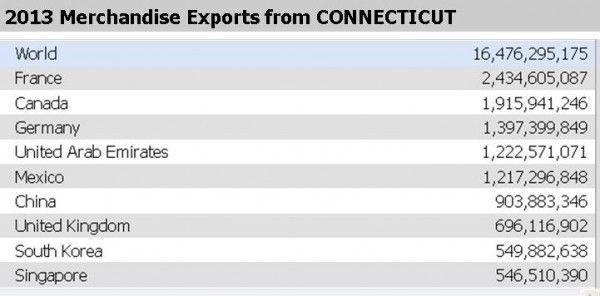
 Overall, the European Union was Connecticut’s largest export market, with average exports (2011-2013) totaling $6 billion annually, the agency’s report noted.
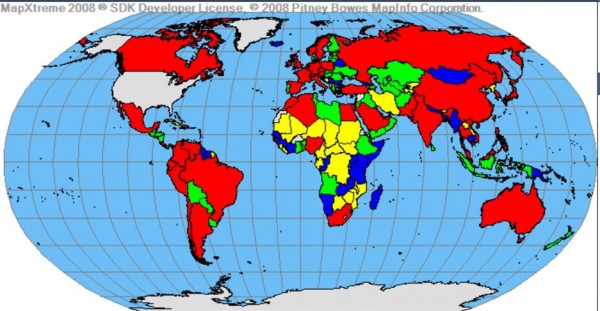 agreements in force with 20 countries, which account for $5.0 billion (30 percent) of Connecticut’s exports. During the past 10 years, exports from Connecticut to these markets grew by 69 percent, with NAFTA, Korea, Singapore, Colombia, and Israel showing the largest dollar growth during this period, the agency reported.