

New Partners, Speakers Add to Momentum for Digital Citizenship Summit in CT
/Billed as “a national gathering of the leading thinkers in the digital citizenship community,” plans are rapidly developing for the Digital Citizenship Summit to be held in Connecticut at the University of Saint Joseph (USJ) in West Hartford in October.
Organizers have announced four new national partners, the National Association for Media Literacy Education, Common Sense Education, Media Literacy Now and Cyberwise, and added additional speakers to an impressive roster of experts from around the country. Signing on as partners for the Summit:
- The National Association for Media Literacy Education (NAMLE) is a New Jersey-based national membership organization dedicated to advancing the field of media literacy education in the United States. NAMLE members “weave a diverse network of people and organizations committed to advancing media literacy education as a new vision of literacy for the 21st century.”
- Cyberwise is described as “the go-to learning source for adults who want to help kids use technology safely and wisely.” The organization helps parents and educators understand online safety, privacy, digital citizenship.”
- Common Sense Education, based in San Francisco, is dedicated to helping kids thrive in a world of media and technology, “empowering parents, teachers, and policymakers by providing unbiased information to help them harness the power of media and technology.”
- Media Literacy Now provides policy and advocacy information, expertise, and resources to develop state laws to implement media literacy education in schools.
The aim of the Digital Citizenship Summit, to be held on October 3, is to create positive, practical solutions along with amplifying the overall message of improving tech usage. Topics for the all-day Summit include digital literacy, etiquette, wellness, security, and law. The term “digital citizenship” describes appropriate, responsible tech and Internet use. Similar to the rights and responsibilities involved in being a citizen, there are legal and ethical obligations with being a digital citizen, notes co-organizer David Ryan Polgar, a tech ethicist and digital lifestyle expert from West Hartford.
"The Digital Citizenship Summit is striking a nerve nationwide. There is a tremendous level of enthusiasm to collectively work towards better tech use standards,” Polgar explained. “What the Summit is doing is bringing all of those voices together and amplifying the message. It has been gratifying to see the level of support so far, and we're proud that Connecticut is playing such an integral role in shaping the national conversation concerning digital citizenship."
Registration for the day-long Summit has recently opened, and organizers are anticipating the limited capacity will sell out quickly. Already, attendees and participants from Florida to California have signed on. The organizing committee includes Polgar, Marlialice B.F.X. Curran, an Associate Professor at USJ, and JoAnn Freiberg, an educational consultant with the Connecticut Department of Education.
Speakers added recently include Janell Burley Hofman, an author, speaker and consultant on topics including technology, media, health, relationships and personal growth. Janell is the author of the book, iRules: What Every Tech-Healthy Family Needs to Know About Selfies, Sexting, Gaming and Growing Up. She has also presented at TEDx San Diego with a talk titled “Parenting in the Screen Age.” Janell is an essayist and contributor to the Huffington Post, and a contributor to APR’s Marketplace Tech. 
Also added to the speaker roster is Tanya Avrith, the Lead Pedagogical Consultant at Amplified IT. She is a Google Certified Teacher, Apple Distinguished Educator and holds a M.A. in Educational Technology. She previously served as the Lead Educational Technology and Digital Citizenship Teacher at the Lester B. Pearson School Board in Montreal, Canada. While there she was instrumental in the vision and execution of the district wide Digital Citizenship Program (dcp.lbpsb.qc.ca) leading to her being invited to Facebook to discuss Digital Citizenship Education.
Speakers at the October event also include Reuben Loewy, Founder and Director of Living Online Lab, a nonprofit organization dedicated to preparing students to be informed, critical and active participants in our digital society, and Denise Lisi DeRosa, Program Manager for the Family Online Safety Institute. She is dedicated to empowering families with the tools needed to embrace the current social and digital technologies in meaningful, creative and positive ways.
The University of Saint Joseph, which will host the Summit, has offered two digital citizenship courses since 2010, created and taught by Dr. Curran, an Associate Professor in the School of Education. Curran and Tracy Mercier, a consultant for Responsive Classroom and a graduate of the University of Saint Joseph, co-founded the first digital citizenship #digcit chat on Twitter.


 Fixed route transportation operates along a prescribed route and on a fixed schedule, and includes buses and light rail. In 2014 in Connecticut, buses provided over 43 million passenger trips and rail provided over 39 million passenger trips. Demand-responsive transportation provides routes and scheduling more individually tailored to the needs of the user. The Americans with Disabilities Act (ADA) requires transit agencies to provide paratransit service, subject to certain parameters, to people with disabilities who cannot use the fixed route services. Paratransit ridership in Connecticut in fiscal year 2014 under the ADA totaled over one million rides, and dial-a-ride ridership neared 100,000 rides.
 ommunities are located within a reasonable distance of quality, dependable public transportation.” In addition, policy makers were urged to “identify funding streams to sustain, coordinate, grow and make more convenient both fixed route and demand-responsive transportation options (including providing door-to-door service), and provide technical assistance to support regionalization efforts.”
 Overall, they desire inclusion – not exclusivity – in their communities. Seniors don't want special attention called to themselves as individuals requiring privileges or advantages. They want to continue “normal” living in the places they call “home.”

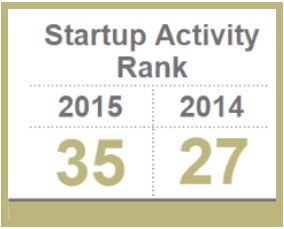
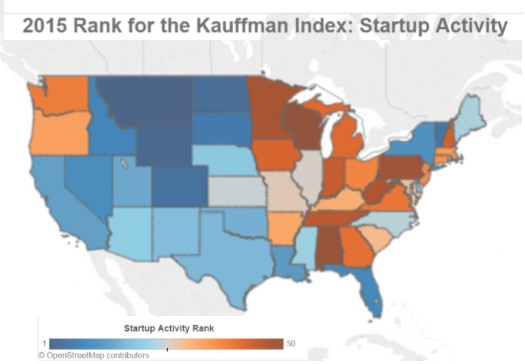
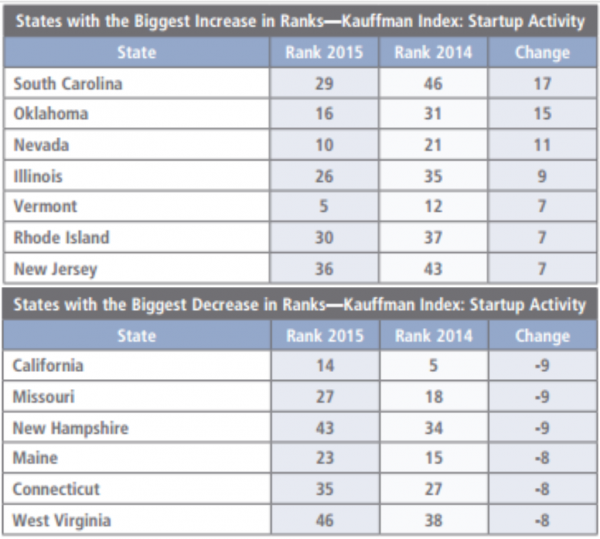 The top ranked states were Montana, Wyoming, North Dakota, Colorado, Vermont, South Dakota, Alaska, Idaho, Florida, Nevada and New York.



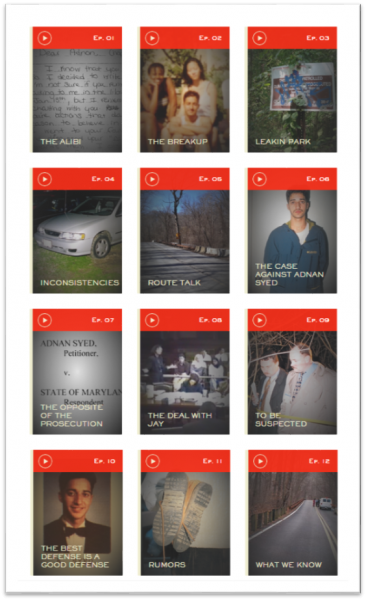
 At the Law and Government Academy of Hartford Public High School, one class used Serial as the basis for a semester’s curriculum. Over the course of five months, students examined the issues in each episode of the 12-episode podcast and were asked to choose a side – such as defense counsel, prosecutor, or witness – and then advocate for their position. For their final exam, students wrote appellate court briefs and argued their cases.
 “It’s use of new media and compelling storytelling has opened up many new opportunities for students, educators, and the intellectually curious to reexamine aspects of our legal system,” said CT Forum Executive Director Doris Sugarman. “We’re thrilled to see what is sparked when our community connects to the expression of big ideas that The Forum brings to Connecticut audiences.”


 6.8 million employees in all, more than ever, according to Fortune, whose issue with the 61st annual ranking is out this week.
 One of the two new entries on this year’s list that are headquartered in Connecticut is

 Amphenol World Headquarters

 I read, nodding. I understand the value of quiet (or focus… I do work with music on). The best thinking only happens when we have our brains to ourselves. It’s precious today.

 “We are equally fortunate in bringing Daniel Mackay to the Trust. Dan has tremendous experience, vision and a passion for historic preservation. We also know that he will nurture the relationships of the Trust with the Governor's office, our legislature and the other organizations we partner with. We are very excited for a bright future led by Daniel.”





















