PERSPECTIVE: Connecting the Dots... to Transit-Oriented Development
/by Kimberley Parsons-Whitaker We all talk about it. We all bemoan the fact that far too often the dots aren’t connected; that there are too many silos, sometimes resulting in pervasive duplication of efforts. That if we would just partner-up we could get a whole lot more done. And with a topic as massive and complex as transit systems in a predominantly auto-oriented state, connecting the dots can easily be assumed to be a topic that leaves us not knowing where to start.
 Perhaps it begins by recognizing that Main Streets of all sizes thrive with a mix of uses, a mix of businesses, a mix of incomes, a mix of cultures. Connecting people to housing, retail & dining, jobs, community resources, and transportation choices is critical if our Main Streets are to be vibrant and sustainable. Offering a range of housing options located near transit and within a walkable distance of life's necessities like grocery stores, pharmacies, doctor's offices and more can only help to attract anyone who desires to live in a vibrant neighborhood.
The CT Main Street Center (CMSC) network is comprised of over 75 members across the state. This translates to over half of the state’s population living within our member towns. Realizing one out of two residents is directly affected by Connecticut Main Street revitalization efforts makes what we do all the more vital. After all, having a strong downtown core is the foundation of a healthy community, increasing economic resiliency, enabling social interaction, and enlivening public spaces.
Transit Oriented Development (TOD), which connects people to housing, retail & dining, jobs, community resources, and transportation choices, is part and parcel of vibrant Main Streets. A critical component of TOD must be the redevelopment of underutilized buildings into housing above commercial space.
The award-winning Come Home to Downtown program aims to bring more housing downtown by assisting the owners of small properties to redevelop their underutilized buildings into housing above commercial space. Engaging an expert team of consultants, CMSC provides select communities and property owners with customized technical assistance, working with them to develop viable redevelopment options. But what is glaringly apparent is that we need solutions to address the financial gap.
This program would not exist without the Community Investment Act which helps further the goals of protecting and preserving the beauty and unique character of Connecticut for future generations. Established 10 years ago, the law has directed more than $133 million toward preserving and reusing historic buildings and sites, saving hundreds of farms and supporting agriculture programs, saving fields and forests from development, and building much-needed affordable housing. These programs have leveraged private investment and created jobs in virtually every community in the state.
A greatly improved tool for our Main Streets is Tax Increment Financing (TIF), a public financing method that is used to incentivize and catalyze development, infrastructure, and other projects. In short, TIF allows property tax benefits from a project to be used to help finance that project. This improved enabling legislation permits municipalities to form TIF Districts that include both the project itself and other properties that will experience property value increases as a result of the project.
One way that CT Main Street Center is working to connect the dots is by partnering with Partnership for Strong Communities and the Connecticut Chapter of the American Planning Association, bringing critical information to a statewide audience in a recent forum. The focus was how we must connect our transit systems to well-planned development that allows for full utilization of these resources: housing, jobs, education, healthcare, and recreation.
 Together with our partners, we were thrilled this week to bring to Hartford Christopher Zimmerman, Smart Growth America’s Vice President for Economic Development, and Director of the Governors’ Institute on Community Design. Much of his work focuses on the economic and fiscal impact of development policies on localities and regions.
Zimmerman said surveys have shown that employers in the 21st century are looking to move to areas where prospective workers live, whereas, in the days of factories, workers moved toward large employers. Speaking of what millennials want, Zimmerman says: "They like housing choice and they're looking for places with a sense of place. “
Chris Zimmerman has been introducing Smart Growth America’s new publication, (Re)Building Downtown: A Guidebook for Revitalization, a resource for local elected officials who want to re-invigorate and strengthen neighborhood centers of economy, culture, and history through a smart growth approach to development.
This guide uses Smart Growth America’s seven-step approach to downtown redevelopment:
- Understand your community – engaging the public
- Create an attractive, walkable place – the built environment
- Diversify economic uses – fostering a diverse mix of uses, including jobs and housing
- Plan for equity – do this up front so that success benefits everyone
- Improve government regulations and processes – making it easy for the private sector to do what you want
- Finance projects – think creatively about funding downtown initiatives and management
- Establish on-going place management – development is not the end of your work, you must keep downtown interesting and competitive and professionally managed
I encourage you to read the entire publication – there are actionable steps that can be taken right away!
_______________________________________________________
Kimberley Parsons-Whitaker is Associate Director of the Connecticut Main Street Center.
PERSPECTIVE commentaries by contributing writers appear each Sunday on Connecticut by the Numbers.
LAST WEEK: Insurance Company Mergers - Why Patients and Consumers Will Not Be Better Off
 As the agency’s Enforcement Bureau considers “an alleged violation of FCC rules,” the agency’s Media Bureau cannot proceed with a decision on whether or not to renew the station’s broadcast license. The application was placed on “enforcement hold,” amidst speculation that the action was related to use of the station’s airwaves by former Governor and station talk show host John Rowland, who was previously and subsequently convicted of federal corruption and campaign-related charges.
 Hartford Attorney Ken Krayeske filed an informal objection on October 1, 2014 to WTIC’s broadcast license renewal, alleging that the station “demonstrated serious malfeasance” and “helped conceal violations of federal law.”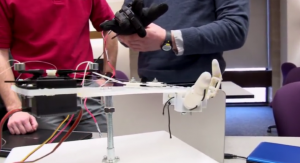
 ents currently working on the Hartford Hand initiative. Each week, Welch and colleagues Yonathan Moshayev, Jake Green, Amber Sayer, and Stephen Sousa, spend several hours improving the current design to make the unique Hartford Hand a reality for patients.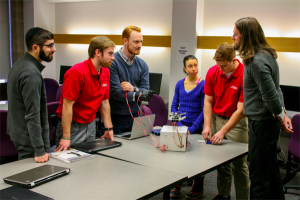

 with the addition of headrest and ceiling speakers.


 Just over the city line in West Hartford, ShopRite supermarket (corner of Kane and Prospect Streets) is offering a series of free courses with a registered dietician to help individuals know “where to start on your path to becoming healthier.” The “Eat Well Be Happy” Weight Management Series begins on February 24, and will be held every Wednesday from 6-7:30 p.m., for six weeks. Each class focuses on a different topic including: meal planning, portion control, importance of fiber, protein and hydration and controlling sugar cravings, among others. Individual consultation is also available, and all nutritional services are available to customers free of charge. (Interested individuals can contact shana.griffin@wakefern.com)
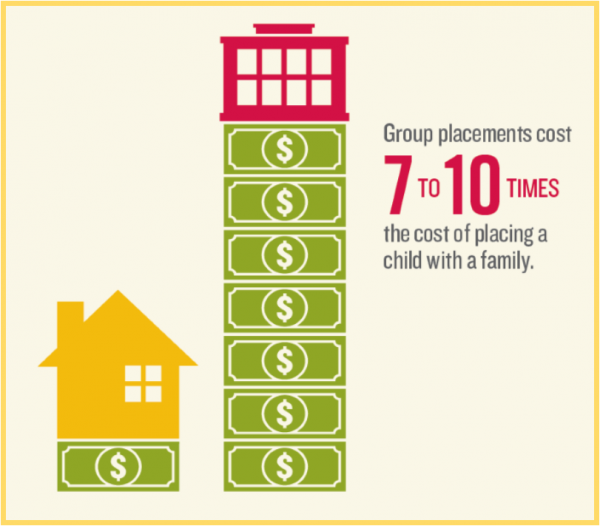
 y percent of the children in group placements have no documented behavioral or medical need that would warrant placement in such a restrictive setting.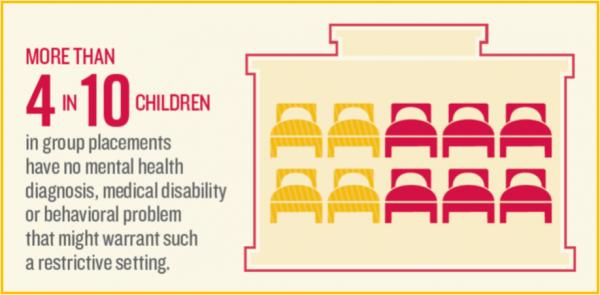

 Additionally, Aetna, with a Connecticut enrollment of about 500,000, is proposing to merge with Kentucky-based Humana, and recent news accounts speculate that it is contemplating
 Some observers

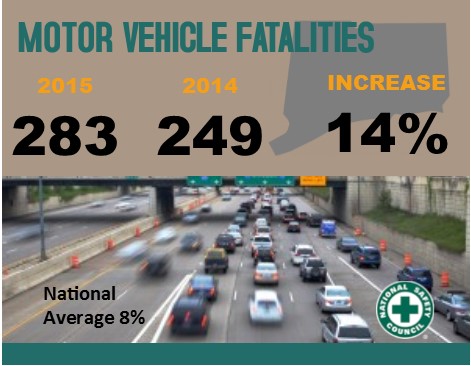 Nationally, 2015 saw the largest single-year percent increase in motor vehicle deaths since 1966. Estimates from the National Safety Council (NSC) show an 8 percent increase in 2015 compared with 2014 – with substantial changes in some states, including Connecticut. There were 283 motor-vehicle related deaths in Connecticut last year, compared with 249 in 2014 and 276 in 2013.
 safety, the National Safety Council recommends drivers: