

CT to Offer Digital Media Education to Create Employment Pathway
/Connecticut’s push to strengthen its digital media workforce continues this summer, with the second year of the Digital Media CT (DMCT) summer training program, developed in partnership by the Connecticut Office of Film, Television & Digital Media and the University of Connecticut. The program is aimed at high school juniors and seniors, current college students, college graduates with majors in communications/film/television, veterans, and professionals who want to explore digital media. The four-week and two-week programs, which both begin on July 9, are designed for individuals with a demonstrated interest in digital media who want to develop the basic skills necessary to potentially seek work in the industry or augment their current skill set.
DMCT students will explore the industry’s many facets learning about media production for web, film, television, games, communications and marketing, and receive specialized skills and hands-on experience needed to pursue careers in the digital media industry. Tracks include 3D Animation, Game Design, Motion Graphics Design, Social Media Management and Web Design.
All DMCT classes will be hosted at the University of Connecticut Stamford Campus and taught by UConn's Digital Media & Design faculty and complemented with lectures from local/regional professionals and industry experts. This approach is designed to “provide students with the valuable and unique opportunity to build relationships with accomplished practitioners in respective fields.”
The training will be presented in classroom format and will provide a comprehensive introductory overview of the digital media industry, disciplines, and processes. Each of the various sections of the program will feature daily introductory seminars focused on digital art and technology. Both day and evening programs are offered to accommodate current students and those with a flexible day schedule, as well as working professionals.
 xpert guest lecturers from Connecticut companies will speak regarding subjects and crafts not included in the general curriculum. Officials indicate that upon successful completion of the DMCT, trainees will have completed a portfolio worthy project consistent with their selected track and representative of their work and learning. They will also receive a certificate of completion from the Connecticut Office of Film, Television & Digital Media for their selected track.
The cost for the four-week session, 9:30 – 4:30 daily, is $500; the intensive two-week, Monday-Friday, evening session is $250.
 The state’s Office of Film, Television and Digital Media supports and enhances Connecticut’s film, television and digital media industry. The film office is the statewide contact for motion picture, television and digital media production and serves as liaison between production companies, state agencies, municipalities, production facilities, local crew and vendors. The Office also administers the tax credit programs designed to incentivize the development of the industry here in Connecticut.
The Associated Press recently reported that Connecticut’s tax credit program provided $91.5 million in tax credits to 36 production companies that spent an estimated $348 million in fiscal year 2015 in the state on qualified digital and TV productions. The credit covers up to 30 percent of what's spent in Connecticut, ranging from salaries to rental equipment, according to the AP report. The news story also indicated that the state’s job training emphasis in recent years has shifted from film-related jobs to television and digital media.
"We still have films that are shooting here, but really the lion's share of the production activity in the state is split between television and digital media. It's sort of our niche. That's sort of where we hunt," said George Norfleet, director of the Office of Film, Television and Digital Media, told the AP.
Blue Sky Studios, the digital animation studio in Greenwich, relocated to Connecticut from Westchester County, N.Y. in 2009, and Connecticut is home to ESPN, World Wrestling Entertainment, NBC Sports and NBCUniversal, which tapes Maury and the Jerry Springer Show at the Stamford Media Production Center in downtown Stamford.
More information is available from DMCT courses info@DigitalMediaCT.com or 860-270-8198.


 To qualify for the Best Communities designation, school districts provided detailed information about funding, graduation requirements, music class participation, instruction time, facilities, support for the music program, and community music-making programs.


 In 2015, Charter Oak Health Center was one of 12 community health centers in the state to receive Expanded Service Awards from the Health Resources and Service Administration (HRSA) Health Center Program within the Department of Health and Human Services.

 nter located in southern Hartford and provides Medical, Dental, and Behavioral Health services to over 18,000 patients annually.

 With locations in New Haven and East Haven,



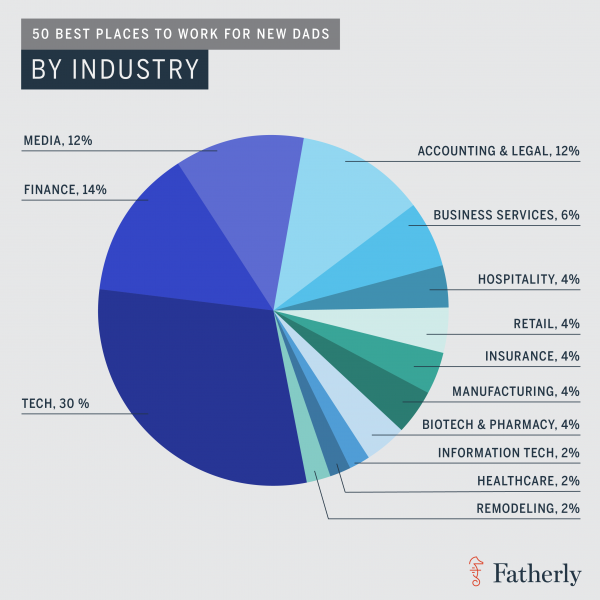
 Among the nation’s top businesses for new dad, an analysis by the website Fatherly, determined that two Connecticut-based companies – alcoholic beverages producer Diageo and financial data and analysis provider FactSet, earned slots in the top 50. Fatherly is a digital lifestyle guide for men entering parenthood.
 were Netflix, Spotify, Facebook, Patagonia, Bank of America, Pinterest, Google, Microsoft, Twitter, Airbnb, Johnson & Johnson, Accenture, MasterCard, Intuit and Intel.


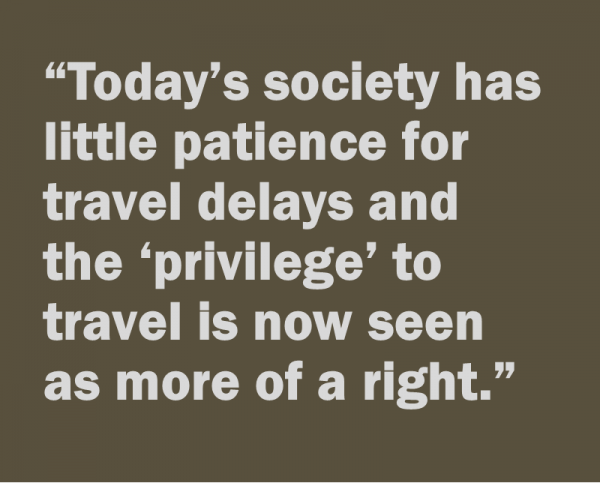
 nd form opinions rapidly have altered our expectations.
 son of 2006/2007 CTDOT has changed the way winter maintenance is performed. They have discontinued the use of abrasives (such as sand) and phased in methods known as ‘anti-icing’ strategies [1]. These strategies have been honed and polished continually over the past ten years.

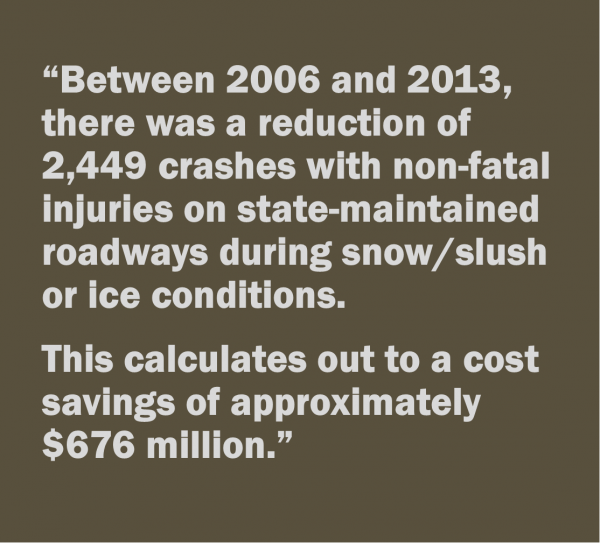

 rs Commission. Replacing them will be the Commission on Women, Children and Seniors and a Commission that merges the Latino, African-American and Asian Pacific American Commissions.
 The Latino and Puerto Rican Affairs Commission (LPRAC) was created by an act of the Connecticut General Assembly (CGA) in 1994. This 21 member non-partisan commission is mandated to make recommendations to the CGA and the Governor for new or enhanced policies that will foster progress in achieving health, safety, educational success, economic self-sufficiency, and end discrimination in Connecticut. As of 2014, the state’s Hispanic population exceeded 500,000, about 15 percent of the state’s overall population.
 ”
 “This is an effort to reassert Connecticut as one of the strongest economies in the nation and in the world,” State Representative William Tong recently told WNPR. He's co-chair of the state’s


 aulted.





















