

CT's Strength in Aerospace, Engineering on Display at Upcoming Conference in Hartford
/The three-day conference at the Connecticut Convention Center at the end of this month begins with technical tours of Sikorsky and UTC Aerospace Systems to provide industry experts with a first-hand look at their industry-leading innovations.
It is the opening of what organizers describe as a conference “unlike other aerospace and defense events,” focusing on the “practical application and implementation of technology, and technology in development in commercial, military and general aviation -essential for the aerospace technical community, government, and research personnel.”
The SAE 2016 Aerospace Systems and Technology Conference (ASTC) is to be held September 27-30. SAE International is a global association of more than 128,000 engineers and related technical experts in the aerospace, automotive and commercial-vehicle industries. The conference “combines the strength of the SAE Power Systems Conference (PSC), Aerospace Electronics and Avionics Systems Conference (AEAS) with tracks in unmanned systems and systems engineering. No other event provides the breadth and depth of technical presentations across these domains,” organizers stress.
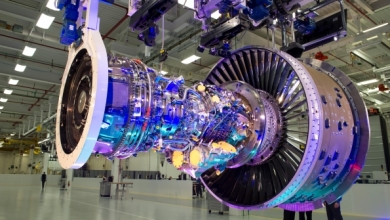 Keynote speakers include Thomas W. Prete, Vice President of Engineering for Pratt & Whitney, Michael McQuade, Senior Vice President, Science and Technology, for United Technologies, Chris Van Buiten, Vice President of Sikorsky Innovations at Sikorsky Aircraft, and Peter Smith, Vice President, Engineering, at UTC Aerospace Systems.
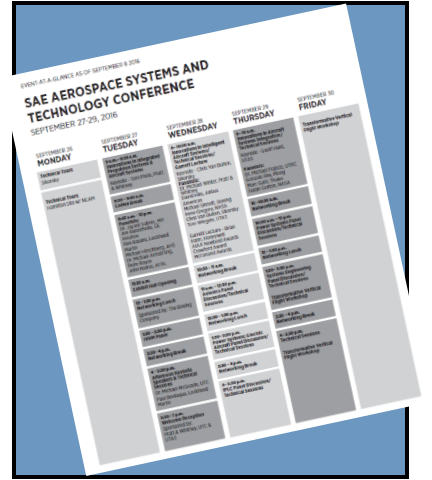
The conference will offer an open technical forum for aerospace systems professionals, especially engineers working in a range of disciplines to gather valuable technical knowledge, insight, and information on emerging and applied technologies with respect to commercial, military, and unmanned aviation.
The technical sessions, developed by industry professionals to maximize relevance, are designed to allow industry members of all levels the opportunity to gather timely, relevant, and stimulating information to enhance skills and creativity
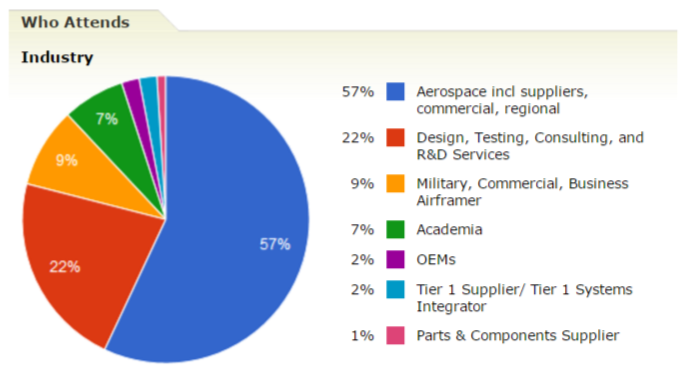 Overall, the event provides an invaluable opportunity for attendees to renew and develop important business relationships within the international aerospace industry and for engineering professionals to discover, collaborate, and engage with peers from around the globe. Attendees will interact directly with the event organizers and technical leaders from Boeing, Airbus, GE, NASA, U.S. Air Force, Honeywell, Pratt & Whitney/UTAS, Rolls-Royce, Sikorsky, and many others.
The conference concludes on Sept. 30 with a day-long Transformative Vertical Flight Workshop.
Panels at the Hartford conference will bring industry experts together to discuss critical issues regarding the integration and application of technologies relevant to the solving emerging issues in the engineering and maintenance communities. The goal of the panels is to enhance the technical understanding of items critical to those participating in the audience via problem solving discussions and exchange of ideas. Topics will include innovations in Integrated Propulsion Systems & Aircraft Systems, Intelligent Aircraft Systems and Aircraft Systems Integration.

 When individuals purchase a Keep Kids Safe plate, a portion of the fee goes to the Keep Kids Safe Fund, which “makes many worthy projects happen for youngsters.” The fund awards grants to schools, hospitals, municipalities and other non-profit organizations working to make all Connecticut children safer from severe and preventable injuries, according to the DMV website.

 In fact, the current technology market is a vibrant and competitive one, where even big companies are required to constantly innovate in order to stay on top. This innovation has provided enormous benefits to consumers, who reap the rewards in the form of better and more advanced products and technologies.


 As the state's principal educational technology advisor, the website explains, “the Commission works to ensure the effective and equitable use of resources, without duplication, and engender cooperation and collaboration in creating and maintaining technology-based tools for use by all the people of Connecticut.”

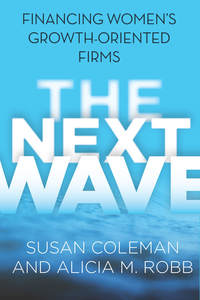
 e: Financing Women’s Growth-Oriented Firms (published by Stanford University Press), which points to “three essential factors that women entrepreneurs need to thrive: knowledge, networks, and investors. In tandem, these three ingredients connect and empower emerging entrepreneurs with those who have succeeded in growing their firms while also realizing the financial and economic returns that come with doing so.”
 To do this, we've engaged a firm to help guide our discussions and considerations and are utilizing a Design Thinking approach to this process.”

 t cities. Bo Zhao, senior economist at the Boston Federal Reserve, wonders if such differences in taxes put some cities or counties at a disadvantage in economic competition. After all, he says, fiscal disparities occur when economic resources and public service needs are unevenly distributed across localities.
For the most part, it’s been up to cities and counties to attempt to address these growing disparities. There are any number of longstanding examples of regional taxation and regional tax-base sharing across the U.S., such as in Minneapolis-St. Paul. More recently, there are new innovations on the theme: The Scientific and Cultural Facilities District, for example, distributes roughly a tenth from a 1 percent sales and use tax to cultural facilities throughout the Denver metropolitan area.
 ago enacted legislation to encourage a sharing economy statewide. The Minnesota Fiscal Disparities law has three important goals: reduce the impact of fiscal considerations on location of business; reduce interjurisdictional competition; and direct resources to communities facing the greatest fiscal pressures.
 tax base in the Minneapolis-St. Paul areawide pool has increased from 6.7 percent in 1975 to 37.6 percent by 2012. More than $588 million of taxes were shared among the participating localities in 2012. The distribution of shared revenue reduced incentives for cities to compete for businesses and infrastructure projects, and it created greater incentives for shared investments, especially in infrastructure.

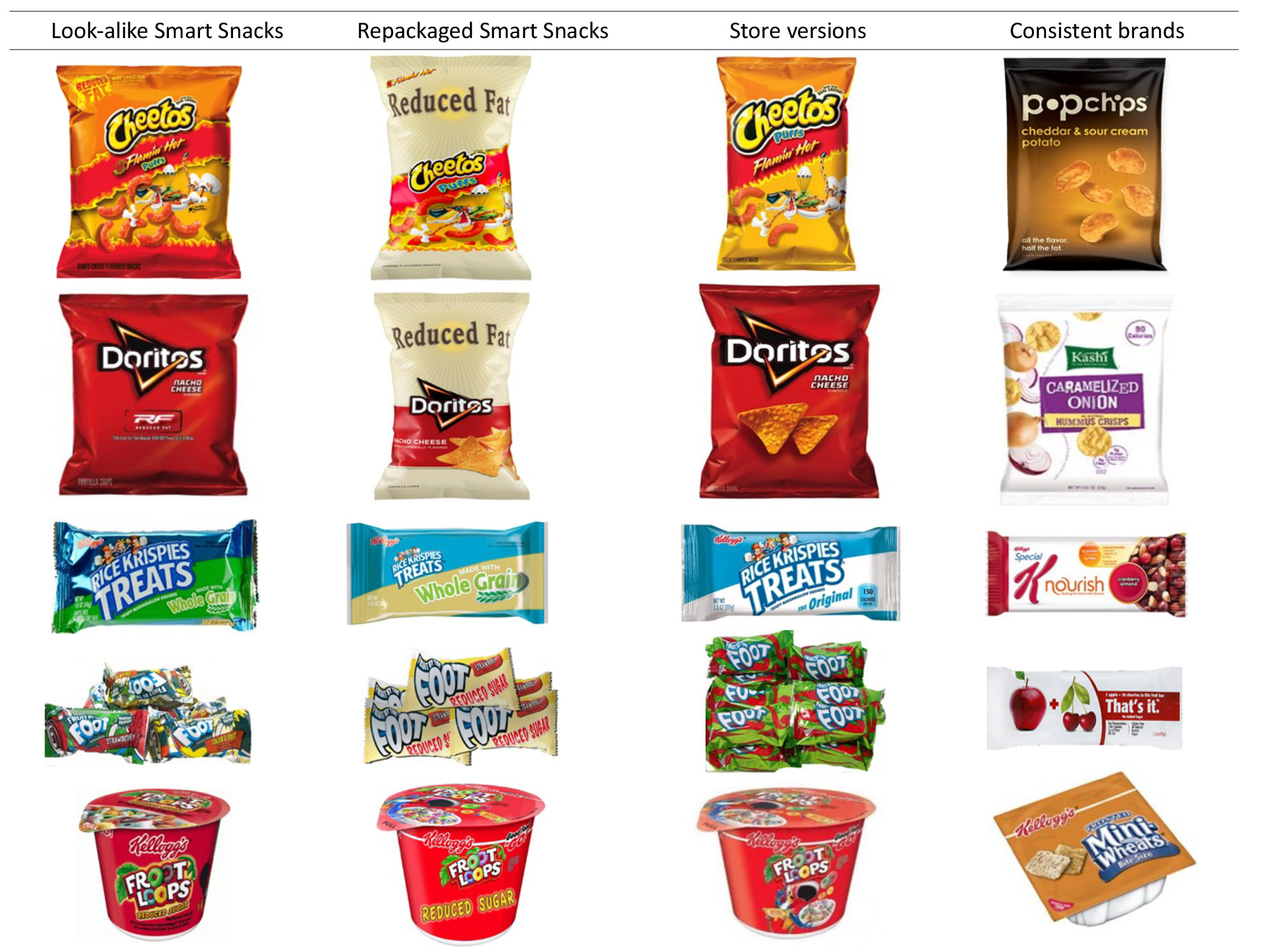
 “The practice of selling look-alike Smart Snacks in schools likely benefits the brands,” says Harris, “but may not improve children’s overall diet, and undermines schools’ ability to teach and model good nutrition.”
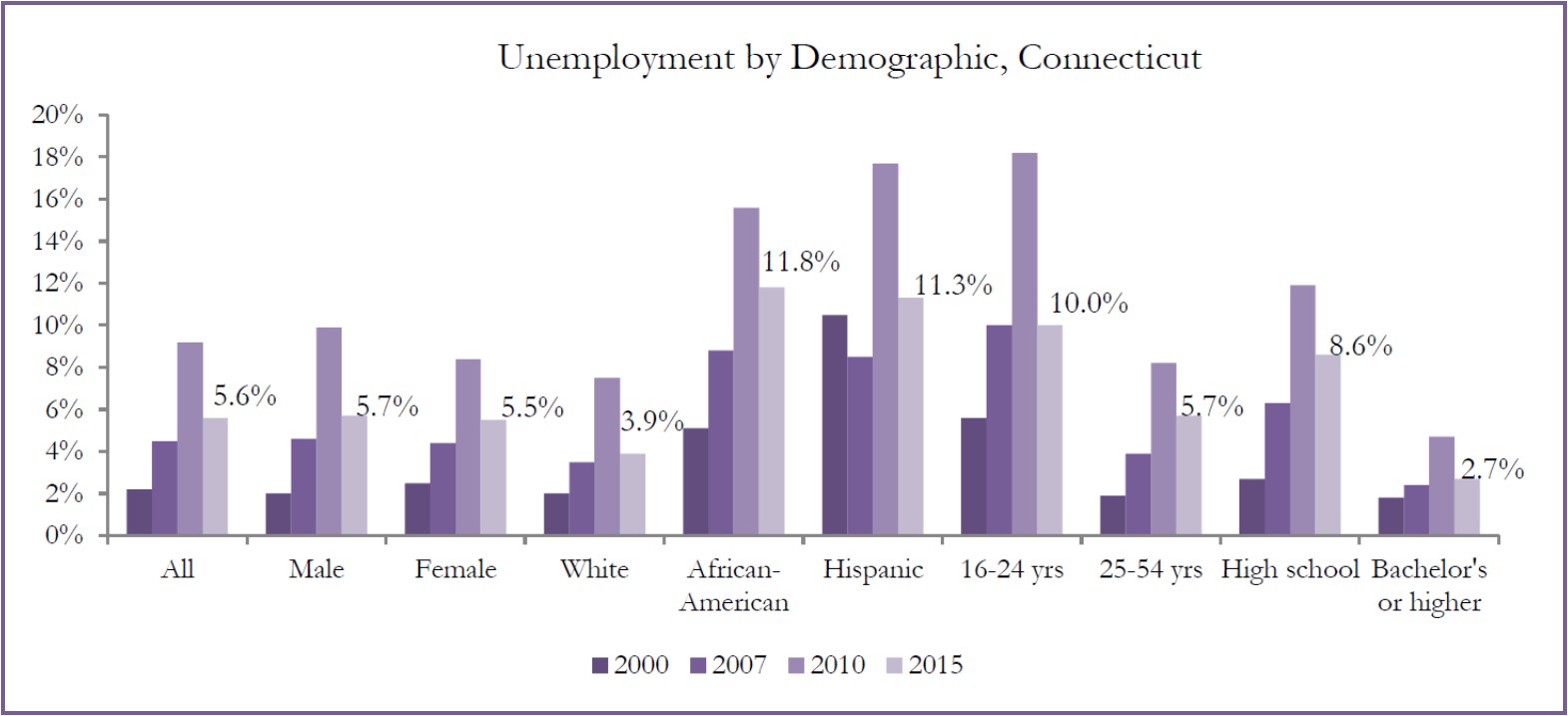
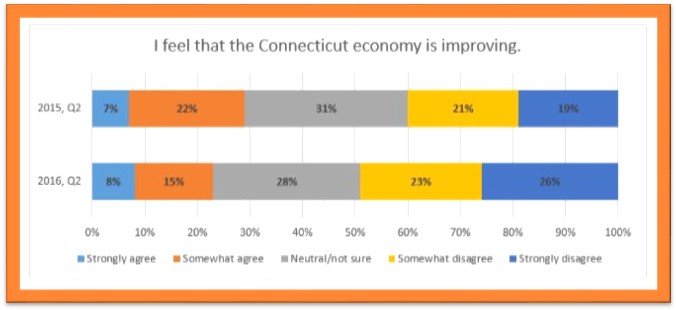
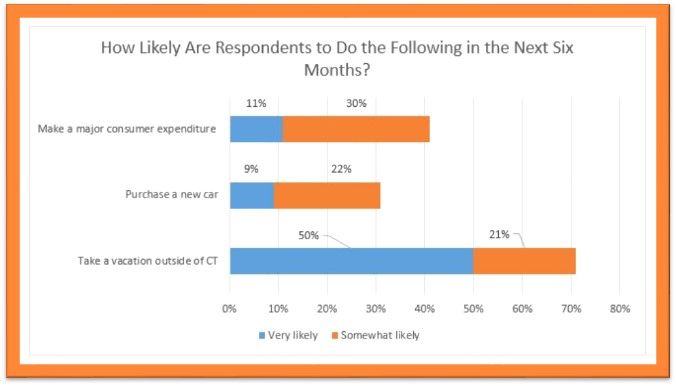 Increasingly, residents believe that jobs are “very hard to get” in Connecticut compared with six months ago (from about one-quarter to one-third of those surveyed in Q2 2016 versus Q2 2015), and are, in growing numbers, saying they would rather leave than stay.
 Forty-three percent, an increase from 40 percent in the year’s first quarter, answered “all of the above” when asked if education, libraries, public health, public safety and animal control could be provided regionally. Among those services individually, there was slightly greater support for a regional approach to public safety, slightly less for each of the others. The largest increase was for “all” of the services.




















