

UConn Expands Presence in Hartford, Stamford
/UConn is on the move this week, literally as well as figuratively. Wednesday will see the ribbon cutting for the new Hartford campus, which is relocating from its suburban campus in West Hartford after nearly five decades away from the Capital City. And in Stamford, students will be moving into student housing beginning this weekend, the first time that has been possible.
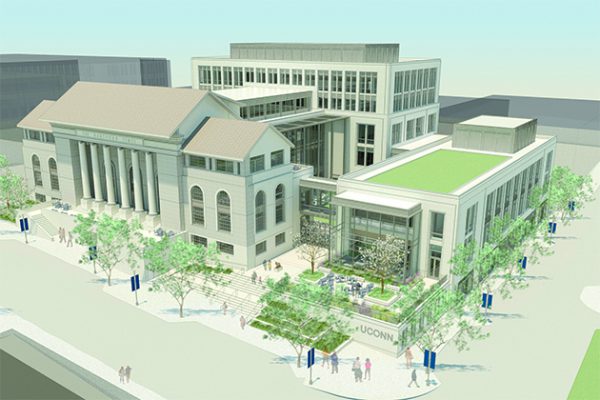 In Hartford, the university intends to “interweave top-tier academic programs with the vitality and unique educational and service opportunities offered by Connecticut’s capital city.” The campus – at a cost of $140 million - is anchored by the historic former Hartford Times building as part of a neighborhood campus that includes nearby cultural institutions and state and city government offices, including Hartford Public Library, which will house 12,000 square feet of UConn classrooms, a library collection, and study areas.

The campus will be the home for the university’s Department of Public Policy, Urban and Community Studies Program, Cooperative Extension System, and the Connecticut State Historian. A new Barnes & Noble bookstore is also coming downtown as part of the new campus.
UConn is also touting the demographics of the student population: 47 percent minority students, and a 13:1 student-faculty ratio. It anticipates 1,347 undergraduates and 1,602 graduate students downtown, at the undergraduate campus, School of Social Work and business school, which has been downtown for more than a decade. A year a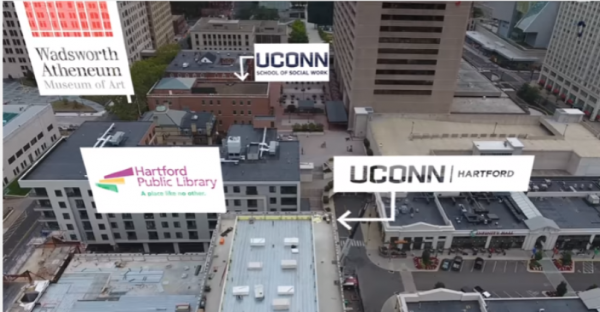 go, the Board of Trustees voted to extend the Graduate Business Learning Center’s (GBLC) lease at 100 Constitution Plaza, and to add two additional floors to the existing space, allocating a total of six floors of classroom, meeting and office space.
The UConn School of Social Work is moving from West Hartford down the block from the new undergraduate building, to 38 Prospect Street, directly across from the Wadsworth Atheneum. And, it was announced earlier this month, regular bus service between Storrs and Hartford is getting underway, free of charge to students. There will also be a shuttle bus running a loop downtown, and although there is no designated student parking, officials say the number of available spaces in nearby lots should be more than sufficient.
Meanwhile, at UConn’s Stamford campus, the inaugural move-in weekend is scheduled for August 26th and 27th, as the campus offers student housing for the first time. The student dorm, at 900 Washington Boulevard, is 2 blocks south of the UConn Stamford campus and halfway between the main campus building and the Stamford Transportation Center.
 The building is six stories tall and will have 116 apartment units. the school's website explains. The maximum occupancy of the building is approximately 350 students, but because some of the bedrooms will be single occupancy, the target occupancy is 290 students. Plans call for 100 designated parking spaces for students will be available for a small additional charge.
The residence hall also includes an 80-person meeting room, administrative offices and a lobby on the first floor. Each floor has a study lounge, and the second floor has a large community center in which students can congregate and have events. The University will manage Stamford housing as in Storrs, with an on-site Resident Director and on-floor Resident Assistants.
The current UConn Stamford academic campus, at the corner of Washington Boulevard and Broad Street in downtown Stamford, opened in 1998, although courses had previously been offered in the city. The facility also provides current UConn students, faculty and staff access the on-site Fitness Center free of charge.
In addition to the main campus in Storrs, UConn also has a presence in Waterbury and Avery Point, as well as the School of Law in Hartford’s west end and the Health Center in Farmington. The former UConn Torrington campus closed a year ago, due to “declining interest among students, falling enrollment, a limited faculty, and changing regional demographics,” according to school officials.

 These research findings have important implications for society. If early childhood programs produce healthier adults, investing in these programs could reduce the burden on the health care system. If children who participated in early childhood programs grow up to experience higher employment rates and earnings, requests for public assistance should decrease. If these children are less likely to engage criminal activity, their communities and society as a whole should benefit.


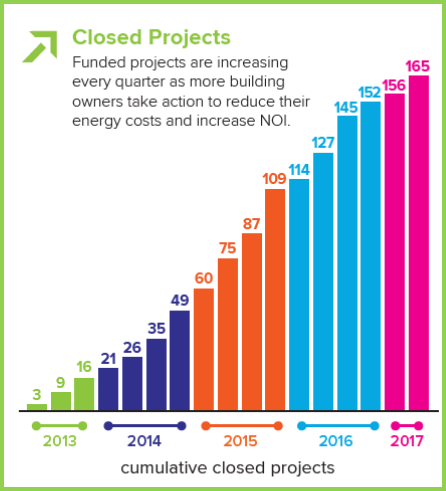 boilers, energy efficiency lighting measures, HVAC systems, and other energy improvements that help building owners to take control of their energy costs.
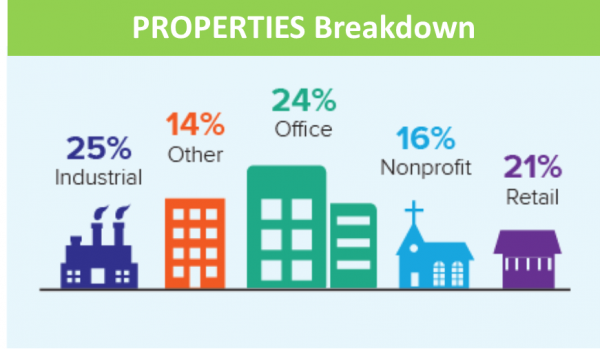 without the support of our contractors, capital providers, municipal officials, and other stakeholders who have contributed to the C-PACE movement,” said Mackey Dykes, Vice President of Commercial, Industrial and Institutional programs at the Connecticut Green Bank. “There is still significant potential for energy improvements for Connecticut businesses and non-profits, and we look forward to bringing cleaner and cheaper energy to more building owners across the state.”
 make the financing of clean energy deployment more accessible and affordable for consumers and businesses. In 2011 the state legislature created the Connecticut Green Bank, the nation’s first green bank. It uses public funds to attract private capital investment in green energy projects. By leveraging private investment, the Green Bank significantly increases the total amount of financing available for clean energy projects.


 The report noted that “Medicaid beneficiaries are prescribed opioids at twice the rate of the rest of the population, and research indicates they are at 3 to 6 times greater risk of a fatal overdose.” The report also observed the impact of the epidemic on the nation’s prison population: Eighty percent of prisoners have a history of drug abuse; 50 percent are addicted to drugs; 60 to 80 percent of prisoners abusing drugs commit a new crime after release; and approximately 95 percent of addicted prisoners relapse when they’re released, according to National Association of Drug Court Professionals (NADCP) data.


 Nationally, rescinding DACA would be disastrous to our economy. Removing 800,000 people from the workforce nationwide would be short-sighted and harmful. It would cost the country $433.4 billion in GDP loss over a decade. It would cost employers $3.4 billion in unnecessary turnover costs. Contributions to Medicare and Social Security would be cut by $24.6 billion over a decade.


 For example, almost a quarter (23%) of Connecticut workers in science, technology, engineering, and math fields such as healthcare and bioscience were immigrants. Over 36,000 foreign-born Connecticut residents are self-employed, with immigrant-owned businesses generating $1.1 billion income in 2014 while employing 73,047 people. “Immigrants are already playing a huge part ensuring that Connecticut remains a leading innovator in industries like healthcare and bioscience,” according to the analysis.


 In May, Jepsen announced that Connecticut joined with 46 other states and the District of Columbia in an $18.5 million settlement with the Target Corporation to resolve the states' investigation into the retail company's 2013 data breach. The settlement represented the largest multistate data breach settlement achieved to date. That breach affected more than 41 million customer payment card accounts and contact information for more than 60 million customers. Connecticut will receive $1,012,936 from the settlement, which will be deposited in the state's General Fund.




















