High School A Risky Time for CT Students, Survey Finds

The Youth Risk Behavior Surveillance System was designed to focus the nation on behaviors among youth related to the leading causes of mortality and morbidity among both youth and adults and to assess how these risk behaviors change over time. In Connecticut, the times they are a changin’.  Data released this week by the state Department of Public Health highlights changes over the past decade, and disparities among current students depending upon their grades in school.

The Youth Risk Behavior Surveillance System measures behaviors that fall into six categories:

  • Behaviors that contribute to unintentional injuries and violence;
  • Sexual behaviors that contribute to unintended pregnancy and sexually transmitted diseases, including HIV infection;
  • Alcohol and other drug use;
  • Tobacco use;
  • Unhealthy dietary behaviors; and
  • Inadequate physical activity.

The 2017 Youth Risk Behavior Survey (YRBS) includes randomly chosen classrooms within selected schools, and is anonymous and confidential.  It was completed by 2,425 students in 38 public, charter, and vocational high schools in Connecticut during the spring of 2017. The school response rate was 76%, the student response rate was 81%, and the overall response rate was 61%. The results are representative of all students in grades 9-12, according to the state Health Department.

The survey found that during the past decade, the percentage of students who rarely or never wore a seat belt has declined by one-third, as has the percentage who drove a car at least once in the previous month after they had been drinking.  That drop was between 2013 and 2017.

The percentage of students who “felt sad or hopeless” almost every day for a two week period “so that they stopped doing some usual activities” during the previous year climbed from 228% in 2007 to 26.9% in 2017 – more than one-quarter of students.  The survey found that in 2017, 13.5% of students seriously considered attempting suicide and 8.1% attempted suicide during the past year.

More than one-third of students (34.6%) of students did not eat breakfast every day in the week preceding the survey, and 14.1% did not eat breakfast on any of those days.  The percentage of students who got 8 or more hours of sleep on an average school night dropped from 26% in 2007 to 20% in 2017,

The survey also found that 25.8% of students with mostly A’s and 48.6% of those with the lowest grades (D or F) have used marijuana at least once in their lifetime.  More than one-quarter of students, across all academic grades (A-F) responded that they drank alcohol at least once in the month prior to the survey.

The survey found that 38 percent of students whose grades were mostly A’s texted or e-mailed while driving a car on at least one occasion in the 30 days prior to the survey.  The percentage was slightly less among students with lower grades:  31% of students with mostly B’s, 30% of students with mostly C’s and 23% of students with mostly D’s and F’s.

When it came to the percentage of students who rode with a driver who had been drinking alcohol (one or more times during the 30 days prior to the survey), students with better grades did so less often, ranging from 12% of students with mostly A’s to 26% of students with mostly D’s and F’s.

The survey also found that 1 out of 5 students (20.1%) whose grades were mostly D’s and F’s did not go to school because they felt unsafe at school or on their way to or from school, on at least one day during the 30 days prior to the survey.  Among those with mostly A’s, that percentage was just under 4 percent.

Among those with the lowest grades, 38.9% were in a physical fight at least once during the previous 12 months, and 19.7% were threatened or injured with a weapon on school property, such as a gun, knife, or club, at least once during the past year.  Among those with mostly A’s, the percentages were 10.2% and 3.6%.

https://youtu.be/d63xyYs9s94

CT Aerospace Industry Seeking Strong Presence at International Airshow

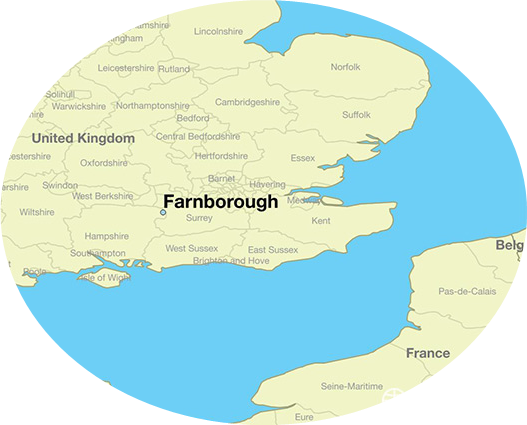
Described as “the largest industry event on the aerospace calendar,” the Farnborough International Airshow, to be held in mid-July in Great Britain, boasts more than 1500 exhibitors from more than 50 countries.  Among them will be a contingent from the State of Connecticut, if the state’s aerospace industry suppliers step up and sign on.  At the most recent Farnborough show, in 2016, $14.5 million in sales was reported by Connecticut exhibitors. The State Department of Economic and Community Development (DECD) and the Connecticut Center for Advanced Technology (CCAT)  have invited Connecticut aerospace manufacturers to participate in promoting the state’s world-class aerospace industry at the upcoming show, July 16-22, 2018.  Exhibit space is available on a first-come, first-served basis, with the cost per exhibit set at $11,000.

An anticipated 73,000 industry professionals “from across the globe and a range of aerospace sectors” are expected, including “key global influencers plus the latest thought leadership and industry insight,” according to organizers.  Farnborough’s news network will run a series of talks, panel discussions and seminars, and high-profile keynote speakers “will challenge current perceptions and provide ideas for the future.” Among the featured sessions will be “meet the buyer,” described as a structured approach to putting sellers in front of targeted buyers.

The biennial event is widely recognized for its role in connecting the worldwide aerospace market. It has traditionally been a backdrop for the announcement of multi-billion dollar deals, and for the launch of major innovations.

The state’s exhibit space is to include a prime location in the U.S. Pavilion, with Connecticut companies to receive allocated space to display graphics, literature and parts; pre-arranged B2B meetings at discount price; access to the U.S. Exhibitors Lounge and meeting rooms; company listing in two show directories and logistical support prior to the show and on-site.

Among the participating companies is Connecticut Coining, based in Bethel, a leading manufacturer of deep-drawn metal parts used in aerospace, medical, defense and high voltage tubes.  The 50-year-old company includes among its customers industry leaders manufacturing bellows, joints, bleed, duct (anti-ice, telescopic) assemblies as well as silencers, and crossover & oil cooler systems.

Satisfied Connecticut companies in 2016 include Windsor-based Aero Gear: “I have been trying to get a foot in the door with Rolls Royce for years. This air show allowed me to make the contacts necessary to develop them into a customer. The show was a home-run for Aero Gear,” said Doug Rose, who founded the company in 1982, developing expertise in the design, engineering and manufacturing of gears and gearbox assemblies for the global aerospace industry.

Countries including Mexico, Turkey and the U.S. will be vying for business alongside a significant European presence from Germany, France and Spain as well as the U.K.  Organizers say the 2018 edition will see the largest presence yet from China, with 70 per cent growth in participation since the 2016 show. Japan has increased its presence with a second Pavilion, joining Malaysia, Korea and Indonesia representing Asia.  It all comes just weeks after escalations in tensions among the world’s leading industrialized nations, reflected in the G7 meeting in Canada last week.

Stamford's InventLab Looks to Nurture Technology Innovation

Stamford-based Whitmyer Group, patent and trademark attorneys and litigators with expertise in intellectual property and technology, has launched InventLab™ in its downtown Stamford offices. Described as providing an opportunity for companies developing inventions to “tap into WHIPgroup's tech and IP Law know-how in order to grow and expand their businesses,” the expansion is drawing praise from local entrepreneurial enterprises. It is designed to build upon WHIPgroup’s successful Stamford Tech Entrepreneur Meetup (meetup.com/whipgroup) by offering direct support to qualified local tech startups.

InventLab™ companies are provided with office space and parking, a custom package of complimentary and discounted IP Law services, WiFi Internet, printing, use of conference rooms, kitchen, and space to host Meetups, events. The direct support includes IP legal advice and office space with professional-grade tech amenities at no cost, and is intended to help these companies access other resources in Fairfield County and beyond.

WHIPgroup founder Wes Whitmyer, Jr. explained that “while the firm tends to service the IP needs of large international companies, we saw the exciting growth in Stamford and wanted to share our expertise with local tech firms.  Our recently-expanded offices are ideal for this purpose.  We look forward to getting to know startup and technology businesses in our area, and to helping them with their intellectual property strategies.”

“We are thrilled that WHIPgroup has decided to invest in the growth of Stamford’s Innovation District, and specifically, the local tech community,” said Sam Gordon, program manager for Innovate Stamford. “Following in the footsteps of other top tech communities like Boston and Boulder, this program is a perfect fit for Stamford. We look forward to seeing companies thrive at WHIPgroup’s InventLab™.”

Whitmyer, with patent, trademark and litigation departments, describes the firm as “a law firm built by technology to serve technology companies.” Applications for WHIPgroup’s InventLab™ should be sent to inventlab@whipgroup.com.  Further information about InventLab™ is be available online at whipgroup.com. IP specialties include physicists, mechanical, civil, electrical, biomedical and chemical engineers, computer scientists, and trademark attorneys on staff.

Where is Childhood Least Threatened? CT Ranks 5th Among States

The child poverty rate in Connecticut’s rural areas, 7.8 percent, is the lowest in the nation.  It is considerably higher in urban areas, 13.1 percent, which ranks 12th among the states.  Overall, in an assessment of where childhood is most and least threatened, Connecticut ranks 5th, according to Save the Children, the Fairfield-based organization that annually assesses the threats to childhood in the U.S. and internationally.  The state ranked sixth a year ago. The ranking does not capture the full extent of deprivations or hardships affecting children. Instead, it focuses on some key rights, or “guarantees” of childhood: life, healthy growth and development, education and protection from harm. If a child experiences all of these, his/her childhood is considered to be “intact.”

The ranking tracks a series of events that, should any one of them occur, mark the end of an intact childhood. These events are called “childhood enders” and include: child dies, child is malnourished, child drops out of school, child is a victim of violence, child has a child.

States were ranked according to performance across this set of enders, revealing where childhood is most and least threatened.  Connecticut’s average ranking across all categories was 8.2.

Connecticut had the 15th lowest percentage of students dropping out of high school, ninth lowest infant mortality rate and 11th lowest malnutrition levels.

The report indicates that “Save the Children hopes this report will stimulate discussion and action to ensure that every last child fully experiences childhood.”  The data reviewed includes the infant mortality rate, food insecurity rate, high school graduation rate, child homicide and suicide rate, and teen birth rate.

The report notes that “While children are only 20 percent of the population, they are 100 percent of America’s future.” Save the Children’s ranking reveals children in New Jersey, Massachusetts, Vermont and New Hampshire are far more likely to experience safe, secure and healthy childhoods than children in Louisiana, Mississippi, Oklahoma and New Mexico.

Connecticut is the only state in the nation where fewer than 1 in 10 rural children live in poverty. It is followed by New Hampshire, Massachusetts, North Dakota and Wyoming, all of which have rural child poverty rates below 12 percent.

Rural child poverty rates exceed urban poverty rates in 40 of 47 states with available data. Only Connecticut, Indiana, Massachusetts, Nevada, North Dakota, Ohio and Wisconsin have more urban child poverty than rural child poverty. However, in most of these states, the urban and rural child poverty rates are similar. The difference is less than two percentage points, with the exception of Connecticut and Massachusetts.

PERSPECTIVE: Eliminating Transcripts Draws the Shades on Government a Little More

by Michele Jacklin and Jeffrey Daniels Continuing their effort to draw the shade over the window of government accountability and transparency, General Assembly leaders have abandoned the longstanding practice of routinely transcribing the testimony presented at hundreds of public hearings held during legislative sessions.

The decision, made without the benefit of public input, marks the latest setback for Connecticut’s 43-year-old Freedom of Information Act (FOIA), which was once the strongest in the nation and a model emulated by other states and countries.

To the surprise of many, transcripts of the vast majority of public hearings held during the recently adjourned 2018 legislative session don’t exist. Officials from the Office of Legislative Management and the House and Senate say transcription services have fallen victim to budget cuts.

The Connecticut Council on Freedom of Information, the state’s preeminent guardian of the FOIA, and other open-government advocates, strongly condemn this action, and believe it marks the continued erosion of the public’s right to know about goings-on at the State Capitol and in state government.

Most bills, including spending and tax proposals, are subject to public hearings at which state officials, special interests, lawmakers and, most importantly, Joe and Jane Q. Public are able to voice their opinions.

Although written testimony still will be available on the legislature’s website, the give-and-take between those testifying and committee members will be known only to the people in the hearing room. That’s unfortunate because the commentary provided by lawmakers is often used to ascertain legislative intent. Moreover, not everyone who testifies submits written copies.

Colleen Murphy, executive director of the state Freedom of Information Commission, says transcripts are important because public hearings provide the first cut of history and the first glimpse of the impetus for proposed bills. Testimony also offers insight into what the tensions and concerns are, as well as the initial impressions of the legislators who will later vote on the measures.

“As such, public hearing transcripts, which preserve the dialog and lines of inquiry, are a valuable component of legislative history and serve an important historical and archival function,” said Murphy.

Murphy was a member of a task force that met in 2010 and was charged with making recommendations regarding the conversion of legislative records from paper to electronic form. According to the group’s final report, “the task force was presented with an overwhelming amount of testimony opposing elimination of public hearing transcriptions.”

Among those testifying were members of the legislative, judicial and executive branches, including the offices of the attorney general, chief court administrator, chief public defender and the Division of Criminal Justice. Others included the Connecticut Bar Association and the Southern New England Law Librarians Association. Ultimately, the vote to oppose elimination of the transcripts was unanimous.

Opposition has not abated and open-government advocates, including CCFOI, view the decision by legislative leaders as yet another step in limiting accountability and curtailing transparency.

“The people of Connecticut deserve open and accountable government and this is leadership in the wrong direction,” said Cheri Quickmire, executive director of Common Cause Connecticut. “It has the practical effect of further isolating citizens from those in Hartford who are supposed to be acting on our behalf. We need more information — not less — about issues being debated in the General Assembly. It is unacceptable for decisions related to access to information be made in the dark, without public input.

Quickmire, Murphy and CCFOI President Zachary Janowski are among those who are urging legislative leaders to reverse their decision.

“Legislative leaders need to restore public access to their public hearings,” said Janowski. “Why invite citizens to testify if that part of the process isn’t going to be available to them or to citizens who, in the future, are trying to understand why certain decisions were made? Making open government an option instead of a requirement will ensure that Connecticut residents won’t get transparency when it’s needed most: when lawmakers have something to hide.”

The elimination of most transcripts comes in the wake of the legislature’s move to restrict the public’s ability to observe their state government in action via CT-N, the cable channel owned by the legislature. For 18 years, cameras operated by the Connecticut Public Affairs Network (CPAN) were focused on all three branches of government, giving TV viewers unfiltered access to state government operations.

However, legislative leaders failed to renew the contract in late 2017 and wrested control of the operation from CPAN, halting the airing of activities by the executive and judicial branches and training the cameras exclusively on themselves. The move was seen as a public relations ploy designed to give lawmakers more exposure. The seizing of editorial control by legislative leaders also halted coverage of press conferences, state nominating conventions, the program “Capitol Reports,” which summarized the weekly activities of the legislature, and Election Night results.

Of this latest action, Murphy said: “Eliminating transcriptions from the public sphere is essentially like eliminating the corner piece of a puzzle. Lawyers, judges and members of the public often search for that piece to completely understand the topic they are researching — the puzzle’s picture. If the legislative hearing piece no longer resides in the puzzle box, legislative history and legislative intent, like the puzzle, will forever be incomplete.”

_______________________________

 Michele Jacklin and Jeffrey Daniels are the legislative co-chairs of the Connecticut Council on Freedom of Information.  This article first appeared on CT Mirror's Viewpoints

CT's BIO Industry Has Strong Presence at Record-Setting International Convention

Connecticut was one of 18 states to have a strong presence at the BIO International Convention, held this week in Boston. It was a record-setting year, as 18,289 U.S. and international attendees – the most in the last 10 years – participated in what was described as “the epicenter of the biotechnology industry” for four days of programming, 46, 916 partnering meetings (setting a new Guinness World Record for “The Largest Business Partnering Event”) and entertainment. More than a dozen Connecticut companies had a presence in the state’s pavilion at the event:  Jackson Laboratory, Sema4, Genotech Matrix, AlvaHealth, RallyBio, Cantor Colburn, Pfizer, e-Path Learning, Thetis Pharmaceuticals, XViVO, Clarity Quest, Lucerna, Wyant Simboli, Boehringer Ingelheim, Aeromics, LambdaVision, Pattern Genomics.

Also participating were Southern Connecticut State University, Yale University and the University of Connecticut, as well as the City of New Haven, and the town of Branford, along with BIO CT, Connecticut Innovations and the Connecticut Department of Economic and Community Development.  Additional companies from the state were on-hand, although not as part of the state’s coordinated effort.

All told, there were more than 1,000 companies from dozens of nations represented at the 25th anniversary conference.  The organizations represented at the BIO International Convention include the world’s leading biotech companies, top 25 pharma companies, top 20 CROs and CMOs, and more than 300 academic institutions including the major research labs and government agencies. Organizers indicate that one out of three attendees based outside of the U.S. and nearly 40 percent are C-level executives at their respective companies.

"If you are or want to be any type of a life science hub, you need to be at this convention," Dawn Hocevar, president and CEO of BioCT, recently told New Haven BIZ. "Connecticut participated in the last two conventions, however, this is the largest footprint we've ever had." BioCT is the bioscience industry voice for the state of Connecticut.  BioCT is dedicated to growing the vibrant bioscience ecosystem in Connecticut by supporting innovation, collaboration, networking, education, talent engagement and advocacy. 

This year’s educational programming was more robust and diverse than ever before, according to organizers, with more than 180 educational sessions, including brand new tracks on genome editing, opioids and corporate best practices.

Among the presenters, panelists, and featured speakers was Scott Gottlieb, Commissioner of Food and Drugs at the U.S. Food and drug Association, a graduate of Wesleyan University in Middletown.

https://youtu.be/rT-HCSKcsqU


Foodshare Ups Commitment to Healthier Young People, Communities

Foodshare has signed a three-year commitment with the Partnership for a Healthier America (PHA),  a national nonpartisan nonprofit led by some of the most respected health and childhood obesity experts in the country, along with health advocates such as former First Lady Michelle Obama and U.S. Senators Bill Frist and Cory Booker. Earlier this month, Foodshare was recognized as a new healthy Food Assistant Partner at the 2018 PHA Summit in Washington, DC. The program “elevates and accelerates the work of food banks and large-scale food pantries committed to addressing hunger and malnutrition,” according to PHA.   

At the organization’s annual Summit in 2018, “we were thrilled to welcome Foodshare as one of several new partners in this program.”  More than 15 million U.S. children live in “food insecure” households, according to PHA.

Dr. Katie Martin, the nonprofit’s Chief Strategy Officer, represented Foodshare at the Summit.  In a recent article that she co-authored, Martin pointed out “food pantries have significant potential to promote better nutrition for the communities they serve,” adding that “recent national data show that 63 percent of households who visit food pantries acquire food through the charitable food system on a regular basis to help with their monthly food budget.”

As part of the commitment, Foodshare has agreed to:

  • Use a nutrition stoplight system to rank the nutritional quality of food in our inventory;
  • Increase the amount of nutritious food and beverage distributed through our network;
  • Increase the demand for healthy food and multiply its impact with promotional materials.

“This is an exciting opportunity for all of us at Foodshare. More produce and healthier options: that’s the future of food banking,” said Jason Jakubowski, President and CEO of Foodshare.

Foodshare is the regional food bank serving Connecticut’s Hartford and Tolland counties, where 121,000 people struggle with hunger. As a PHA partner, Foodshare will increase supply and foster demand for healthier options in several ways, such as evaluating the nutritional quality of at least 50 percent of the food in its inventory, increasing the amount of nutritious food and beverages it distributes, and incentivizing the organizations it works with to select more nutritious foods.

Foodshare joins ten other partner food banks from across the country, as well as Feeding America, in this national partnership. Created in 2010 with the goal of ending the national epidemic of childhood obesity within a generation, PHA’s strategy rests on transforming the marketplace, so that the healthy choice becomes the easy choice for American families.

Communities, Innovators Recognized for Excellence in Main Street Awards

A hybrid business incubator that provides unique opportunities for collaboration between schools and business to increase college and career readiness while expanding downtown Wallingford business, and a Connecticut Trust for Historic Preservation website that is a point of entry for those seeking to spur redevelopment of Connecticut’s historic mill buildings are just two of this year’s Awards of Excellence winners recognized by the Connecticut Main Street Center (CMSC) at annual ceremonies held this year in Danbury. In total, seven initiatives receive the prestigious awards, including organizations and initiatives from Danbury, Hartford, New London, Wallingford, and Windsor, as well as the CT Trust for Historic Preservation and the State of Connecticut.

Winning entries also included collective efforts in bringing more people to Hartford through creative placemaking; a block-by-block initiative to create a positive perception of downtown New London by working with store owners to install LED lights inside storefront windows; a young professionals’ initiative to highlight the diverse culture in downtown Danbury through weekly food truck events; a multi-year deliberate and incremental effort to redevelop Windsor Center with residential and office use around transit; and the State of Connecticut’s coordinated approach to improve the economy and quality of life through investments in development around transit.

Individual awards were also presented to Andrea Pereira, Executive Director of Local Initiatives Support Corporation (LISC), and R. David Genovese, CEO of Baywater Properties in Darien.

CMSC’s mission is “to be the catalyst that ignites Connecticut’s Main Streets as the cornerstone of thriving communities.” CMSC is dedicated to community and economic development within the context of historic preservation, and is “committed to bringing Connecticut’s commercial districts back to life socially and economically.”

The Jack Shannahan Award for Public Service for 2018 goes to Andrea Pereira, a former Board Chair of Connecticut Main Street Center, who has been a partner in CMSC’s Come Home to Downtown program, providing financing through the Come Home to Downtown Loan Fund. Pereira, Executive Director of Local Initiatives Support Corporation (LISC), earned the recognition for her leadership in “guiding strategic investments aimed at creating tangible, sustainable improvements in our communities.”
She has led LISC for over 20 years, having previously served as the Director of Urban Revitalization & Investment at the State of CT Department of Economic & Community Development. She is an accomplished community development professional with expertise in community development finance, organizational development, nonprofit management, grant-making, public policy, and program development. LISC Connecticut provides financial and technical resources to over 60 local housing and community development organizations each year. LISC also offers predevelopment, acquisition, bridge and/or construction financing for affordable housing and other community development projects.

The 2018 CT Main Street Founder’s Award, presented by Eversource, is presented to R. David Genovese of Baywater Properties in Darien, founded in 2001. Genovese and his team have “committed themselves to transformational projects in Darien, remaining thoughtful, creative, flexible, innovative, and respectful of the community.”  For more than a decade, he has led numerous key developments in downtown Darien that “breathed new life into the area, revitalizing buildings and reinvigorating its residents.”

Genovese has led a multi-disciplinary team of architects, civil engineers, landscape architects, retail consultants and legal advisors in creating Your Downtown Darien. Otherwise known as the Corbin Development, Baywater assembled this portfolio of properties over the course of nearly 15 years, to be redeveloped to create a mixed-use center incorporating retail, offices, and luxury residences.

“This year’s winners represent a culture of inclusivity in ensuring that Main Street belongs to everyone,” said CMSC Associate Director Kimberley Parsons-Whitaker. “From enlivening our public spaces with ethnic cuisine and multi-cultural entertainment, to redeveloping formerly abandoned mills and blighted areas around bus and train stations with residential and commercial options for people of all background and incomes, our 2018 award recipients are leading their communities and our state in improving the quality of life and our economy.”  The 2018 Awards of Excellence went to:

▪  Great Placemaking in Hartford; including Know Good Market, Riverfront Recapture, One World Market at CTfastrak Station in Parkville, Hartford BID Bicycle Roadside Assistance Program, Pratt Street Patio, and Winterfest)  – Recipients: Breakfast Lunch & Dinner, Riverfront Recapture, International Hartford, Hartford BID, and iQuilt Partnership.

▪  Light Up New London – Recipient: New London Main Street. Partners: Dominion Foundation, National Main Street Center.

▪  Downtown Chow-Down, Danbury – Recipients: CityCenter Danbury, City of Danbury. Partners: Get Downtown Danbury, Greater Danbury Chapter of CT Young Professionals.

▪  HUBCAP Wallingford – Recipients: Wallingford Center, Inc., Town of Wallingford Board of Education, Wallingford Economic Development Commission.

▪ Mills: Making Places of Connecticut – Recipient: CT Trust for Historic Preservation. Partner: Connecticut State Historic Preservation Office.

▪ Coordinated Approach to Responsible Growth and Transit Oriented Development – Recipient: State of Connecticut.

▪ Setting the Stage for TOD in Windsor Center – Recipient: Town of Windsor. Partners: CIL Development, Lexington Partners, LLC.

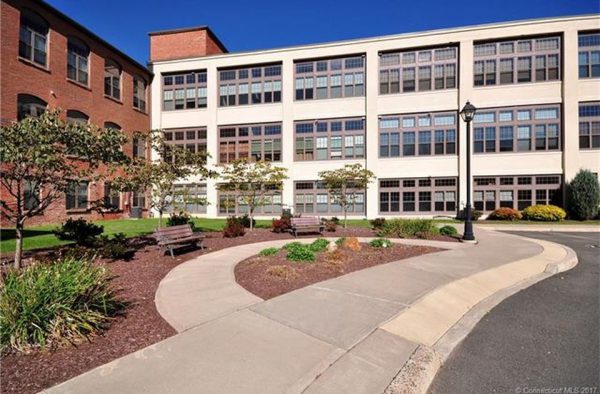
The Town of Windsor was recognized for the redevelopment of the portion of Windsor Center lying just east of the railroad tracks in town, which previously contained a mix of obsolete industrial and municipal uses which no longer contributed to the vitality of the Center.  The turn-around, with an eye towards transit-oriented development, included development of Windsor Station, a 130-unit market-rate rental project on a 6.5 acre site adjoining the passenger rail station.

The $23 million development project included demolition of two former industrial buildings, environmental remediation and construction of two, four-story elevator buildings with parking and site amenities. The project includes 32 studio, 65 one-bedroom and 33 two-bedroom units and is targeted to an underserved rental market of young professionals 20 to 35 years of age and baby boomers.  Construction was completed a year ago, and 90 percent occupancy was achieved within five months.

Connecticut Adds High School Certificate of Global Engagement

Much has been said but less has been done to encourage Connecticut students to prepare for an ever more connected and interdependent world.  Until now.  The State Board of Education has voted to establish a Connecticut Certificate of Global Engagement, which high school students can earn by completing specific aspects of the curriculum, and aims to prepare “globally competent students who are college and career ready.”  The Certificate would be noted on high school transcripts. The Connecticut Certificate of Global Engagement was established, according to the curriculum overview, “to recognize public high school graduates who have successfully completed a global education curriculum and engaged in co-curricular activities and experiences that fostered the development of global competencies and global citizenship.”

“In today’s intricately interconnected world, informed citizens require an increasingly broader base of knowledge and perspective, because local communities, societies and economies are directly affected by events and trends that occur well beyond national borders,” the newly adopted curriculum guidelines point out.

The Certificate is based on the guidelines of the Connecticut Social Studies Frameworks and American Council on the Teaching of Foreign Languages (ACTFL) World Readiness Standards, and builds upon the recommendations of the Council of Chief State School Officers (CCSSO).  It supports student literacy as defined by the Common Core Standards and provides a pathway for 21st Century Skills.
Officials stress that the Certificate does not require additional resources in local school districts, “as all coursework would already be part of the curriculum. The Certificate, however, gives school districts an opportunity to evaluate the entire school curriculum through the lens of global knowledge.”

The mission of the Certificate program, officials explain, is to provide Connecticut students a “pathway to gain global knowledge and skills that will increase their competitiveness and ability to succeed in college and career and their participation as informed citizens.  In today’s global marketplace, it is in the long-term economic, social, and democratic interests of the United States, Connecticut, and local communities to encourage and facilitate international connections in the community, state and beyond.”

To be recognized for the Certificate, students will need to complete the following requirements:

  • coursework in world languages;
  • coursework with strong global implications and analysis;
  • extracurricular activities and experiences with global themes; and
  • a global service learning or action project.

The guidelines indicate that through coursework and co-curricular activities, globally competent students will demonstrate the following competencies:

  • investigate and express ideas about the world beyond their immediate environment;
  • recognize and articulate their own and others’ perspectives;
  • communicate ideas effectively with diverse audiences; and
  • translate ideas into appropriate actions to address a contemporary global issue.

Globally-Focused Coursework would require at least 7.0 credits or demonstration of mastery and Globally-focused Student Activities would require competency in global citizenship through active participation in “at least one or more co-curricular and other school-sponsored or endorsed activities over at least 3 years of their high school experience with suggested involvement of a total of at least 15 hours.”
The guidelines for the Certificate of Global engagement were approved at the Board’s May 2 meeting and is now available for high schools throughout the state to implement.  A copy of the guidelines appears on the State Department of Education website alongside the state’s Social Studies Frameworks and Resources.

The curriculum plan was developed by a 24-member committee including Stephen Armstrong, the state’s Social Studies Consultant in the Department’s Academic Office, David Bosso, President of the Connecticut Council for the Social Studies, Robert Rader, Executive Director of the Connecticut Association of Boards of Education, high school teachers, superintendents, language specialists, college professors and representatives of the World Affairs Council of Connecticut.

PERSPECTIVE: Building a Foundation to Reduce Reliance on Social Welfare

by Martha Guidry According to Forbes, an individual on social welfare in Connecticut collects on average $25/day, which equals over $9,000 a year.  A 2013 Hartford Courant article stated that a mother with two children participating in seven major welfare programs (Temporary Assistance for Needy Families, Medicaid, food stamps, WIC housing assistance, utility assistance and free commodities) could receive a package of benefits worth $38,761 (untaxed $106/day), the fourth highest in the nation behind Washington, DC, Hawaii, and Massachusetts.

Social welfare is not taxed, while wages are. Using the Connecticut state tax calculator for 2017-18, a mother with two children in Connecticut would have to earn $48,500 ($23.32 per hour) for her family to be better off than they would be on welfare. That's more than double the current minimum wage of $10.10 and more than 14 percent higher the $42,494 starting wage of a teacher in Connecticut.  Even scarier, that mother would have to hold 2.3 full-time jobs at minimum wage to reach this salary. Bear in mind, this does not include the cost of daycare, wardrobe, transportation or other expenditures required to hold a job 40 hours per week. 

Sadly, in Connecticut, welfare makes more sense financially in the short term than having a job.  Unfortunately, this will likely hurt an individual in the long term as having a job is one of the many important steps to ultimately breaking the cycle of poverty.

How can we help stop this cycle of social welfare reliance?  Two potential solutions exist:  1) policy changes and 2) provide children with the opportunity to learn how to work to improve their chances regardless of whether they get a degree above high school. According to National Clearinghouse Data, in Hartford, only 2 out of every 10 graduates earn a degree above high school after 6 years.

According to Michael Tanner in his Hartford Courant article (August 2013), “if reducing welfare dependence and rewarding work is the goal, Connecticut legislators should consider ways to shrink the gap between the value of welfare and work by reducing current benefit levels and tightening eligibility requirements.”  He continues on to say that Congress should remove exemptions and narrow the definition of work to enhance welfare work requirements.

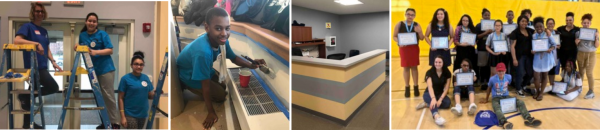
While policy changes would be ideal, at the Capital City Education Alliance, a Hartford-based nonprofit, we attack option two.  In our signature program, Let’s Paint!, we engage students thru hands on learning on color theory, design and early intervention workforce readiness skills as they learn commercial painting skills.

Since our start in May 2016, we’ve had 106 students work with the Let’s Paint! staff using over 376 gallons of paint and working over 7,390 total student hours. These students have transformed a variety of spaces including a 24-bay graffiti-covered garage by Route 84; the Southwest Boys & Girls Club career center and building exterior; hallways, the auditorium, and the office at Burns Latino (South End) and the lobby and several hallways at West Middle School (Asylum Hill).

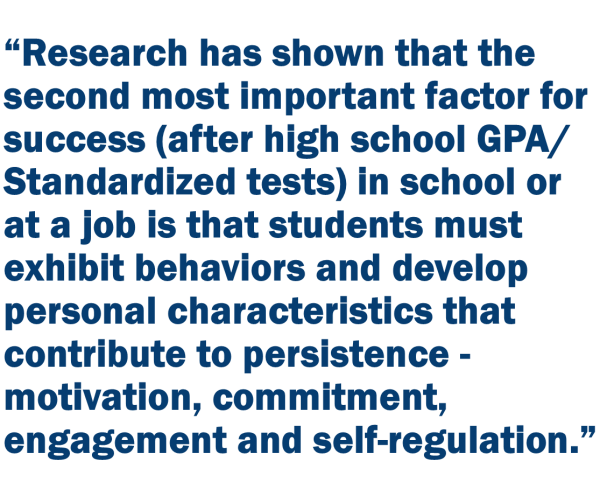
Research has shown that the second most important factor for success (after high school GPA/Standardized tests) in school or at a job is that students must exhibit behaviors and develop personal characteristics that contribute to persistence - namely motivation, commitment, engagement and self-regulation. Let's Paint! is designed to specifically focus in these areas of need that are not directly addressed in school curriculum.

CCEA believes that patterning behaviors right and providing positive/opportunistic feedback at the start helps teach the life and job success skills. To this end, students must complete an application and interview with our staff to be part of the “paint crew”. Each program day, students must formally greet a staff member with a "confident" handshake to practice this important skill. Students are also evaluated on their work skills such as teamwork, having a positive attitude, and being properly dressed for work. With regular, positive attendance, students also receive a small stipend to take their “job” seriously. And, just like in the real world, they are docked pay for being late!

Adult volunteers also contribute to workforce readiness.  On scheduled days, volunteers informally mentor the kids while painting side-by-side, thus providing an opportunity for the students to practice workforce soft skills - eye contact, greetings, shaking hands, and engaging in conversation – while the adults have lots of fun.

In Summer 2018, CCEA will launch its adjunct program “Broken 2 Beautiful” (B2B) where graduates of “Let’s Paint!” will have the opportunity to rejoin the staff for ongoing work experience, financial literacy and career engagement learning.  Painting will also play a role in B2B.  Students will refinish furniture and record crates with bold colors as well as do “pop up” exterior painting projects through the greater Hartford area.

  • The former will be part of a social enterprise to sell the goods allowing youth to learn about all the different careers that may be open to them in Hartford – sales, marketing, operations, etc. – to broader their views of jobs.
  • The latter will continue their involvement in community service to make their city a more beautiful place and feel the success of making a difference. In addition, students will learn about financial literacy and budgeting. One of the best ways to work oneself out of poverty is to actually understand that one can’t spend more than one earns!

We can’t change policy, but we can help change the skill sets of our students.  Consider volunteering, donating and attending our events to help us achieve success and, just possibly, reduce some of Connecticut’s 80+ social welfare programs.

_________________________________________

Martha Guidry is Executive Director of the Capital City Education Alliance, which lays the foundation for workforce readiness by inspiring and empowering pre-teen and teens in Greater Hartford through project and partnership that build character, skills and pathways to success. Individuals 18 years of age or older may sign up on the CCEA website to volunteer, as well as teenagers with an accompanying adult.  Corporate teams are also welcome to participate on Tuesday afternoons; contact Colleen@CCEAHartford.org for more details, and learn more at www.CCEAHartford.org