

College Coaches Are Highest Paid Public Employees in 40 of 50 States, Including CT
/
When UConn announced the hiring of Bob Diaco as new head football coach earlier this month few flinched at the compensation – a reported five-year $8 million contract. Diaco, who served on the Notre Dame coaching staff as the defensive coordinator for the past four years and the assistant head coach for the past two, was the 2012 winner of the Frank Broyles Award, given to the top assistant college football coach in the country and was the first Irish assistant to receive the prestigious award. He was a semifinalist for the award in 2011.
Earlier this year, the Yankee Institute for Public Policy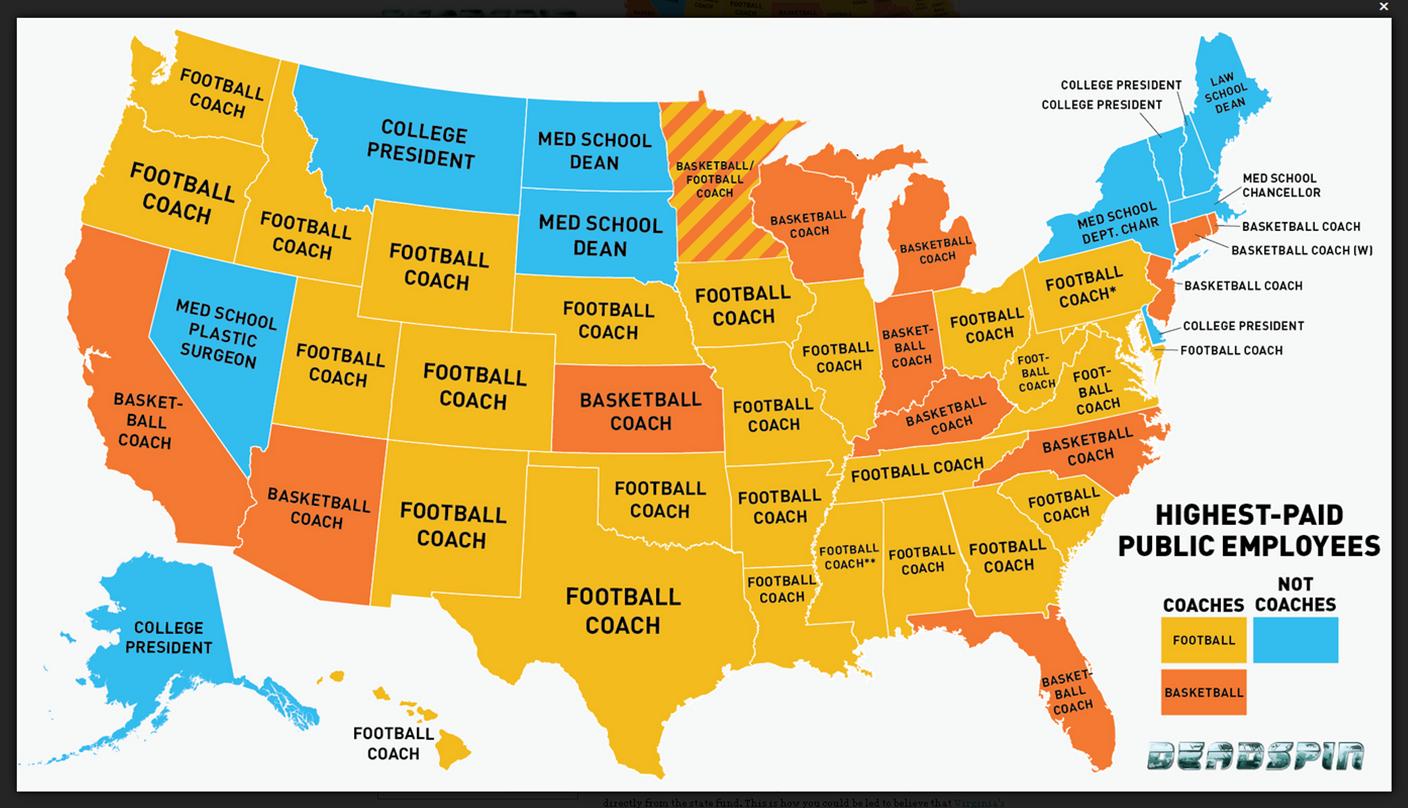 compiled a list of the highest paid state employees, and three UConn coaches led the list:
- 1. Calhoun, James A., Men's Basketball Head Coach, UConn $2,865,769
- 2. Auriemma, Geno, Women's Basketball Head Coach, UConn $1,829,052
- 3. Pasqualoni, Paul L., Football Head Coach, UConn $1,613,920 (dismissed as coach earlier this fall)
As it turns out, that is not unusual. According to data compiled by the website Deadspin, the ranks of the highest-paid active public employees in states across the country include 27 football coaches, 13 basketball coaches, one hockey coach, and 10 state employees with responsibilities outside of athletics. That’s 80 percent of the states with a public employee salary roster led by a coach.
Perhaps surprisingly, the states of New York, Massachusetts, Vermont, New Hampshire and Maine are among those where a college president, law school dean medical school dean or department chair top the state employee salary list. In Rhode Island, it is the men’s basketball coach, and in Connecticut, with the retirement of Jim Calhoun, the leader is now women’s basketball coach Geno Auriemma.
Last December, UConn and head men's basketball coach Kevin Ollie, a 1995 UConn graduate, announced a new agreement to run from January 1, 2013 through April 15, 2018. Under the coaching contract, Ollie receives a base salary of $400,000 per calendar year and for 2013 he will receive $800,000 for institutional speaking engagements and media related appearances for a total of $1,200,000, according to the University's announcement. The payment for institutional speaking engagements will increase by $50,000 each year. Ollie's total compensation for each year of the agreement will be: 2013-$1,200,000; 2014-$1,250,000; 2015-$1,300,000; 2016-$1,325,000; 2017-$1,340,000; 2018-$502,500 (annualized from Jan. 1-April 15).
The website reports that “looking at data from 2011-2012, athletic departments at 99 major schools lost an average of $5 million once you take out revenue generated from "student fees" and "university subsidies.”
Rounding out the top 10 list in Connecticut, as of 2012:
- 3. Onyiuke, Hilary Chief, Division of Neurosurgery UConn Health Center $1,030,732
- 4. Nulsen, John Director, Center for Advanced Reproductive Services, UConn Health Center $917,373
- 5. Makkar, Hanspaul Chief, Division of Pediatric Dermatology, UConn Health Center $916,600
- 6. Whalen, James Vice Chair, Dermatology UConn Health Center $884,602
- 7. Laurencin, Cato CEO, Connecticut Institute for Clinical and Translational Science, UConn Health Center, $701,576
- 8. Herbst, Susan ,President, UConn $612,500
- 9. McFadden, David, Chief, Department of Surgery, UConn Health Center $576,923
- 10. Manuel, Warde Athletic Director UConn $551,305
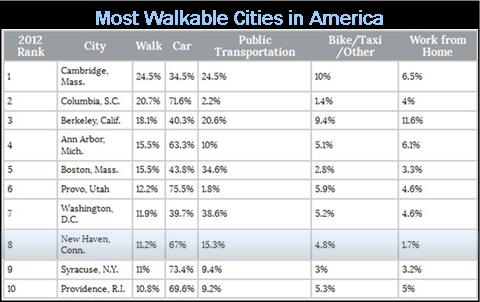
 The top cities were Cambridge, MA (24.5%), Columbia , SC (20.7%), Berkeley, CA (18.1%), Ann Arbor, MI (15.5%), Boston, MA (15.5%), Provo, UT (12.2%), Washington, DC (11.9%), New Haven, CT (11.2%), Syracuse, NY (11%) and Providence, RI (10.8%).
 pecifically designed to remove pain from the injection.
 ales. Baxter is one of Inc. Magazine’s Top Women in Tech to Watch, and is asked all over the world to educate physicians, nurses, Child Life specialists, and others about the importance of
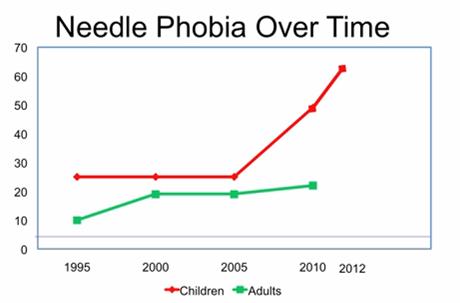 f needle-averse adults will have on their own health and the health care system.
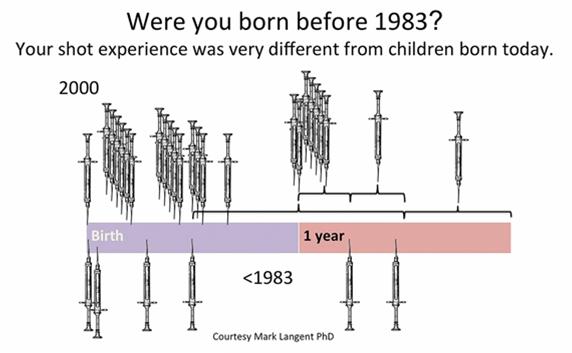 away from the very remedies that can improve their individual health and the health of entire populations, warning that “by ignoring pain we’re endangering the future of health care.”
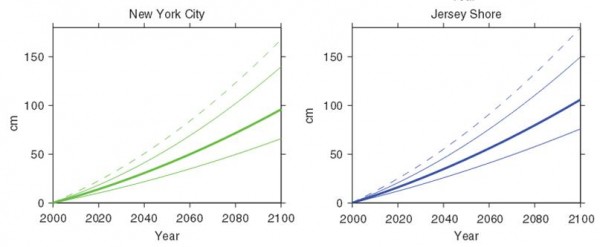
 That would mean that by the middle of this century, the one-in-10 year flood level at Atlantic City, for example, would exceed any flood level seen previously, including the natural disaster that was Superstorm Sandy. The scientists suggest, based on their research, that “planners should account for rising sea levels,” noting that “where the consequences of flooding are high, prudent planning requires consideration of high-end projections” outlined in their study.
 . “I believe that the projections for bedrock locations are applicable throughout Connecticut,” said Miller, a professor of earth and planetary sciences in Rutgers' School of Arts and Sciences.
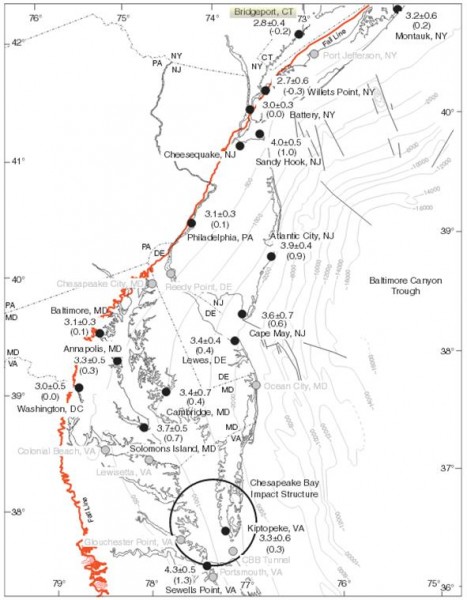
 vel rise in the mid-Atlantic region also results from changes in ocean dynamics. The researchers said sea-level rise could be higher -- 2.3 feet by mid-century and 5.9 feet by the end of the century -- depending on how sensitive the Gulf Stream is to warming and how fast the ice sheets melt in response to that warming.
 c organization representing more than 62,000 members in 144 countries.

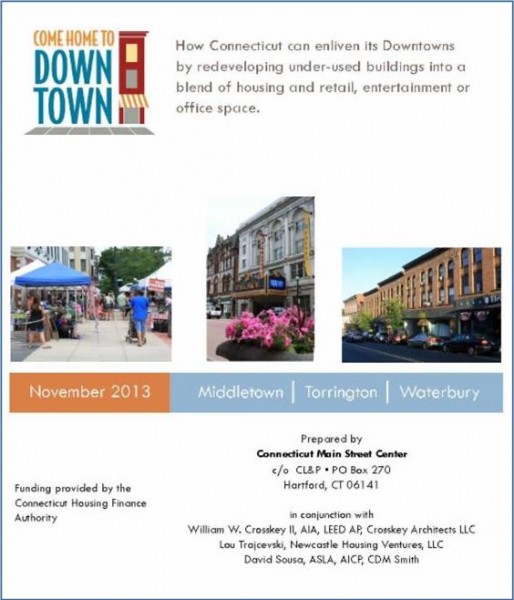 in mixed-use neighborhoods are one-third to one-half lower than in suburban areas. It has been estimated that every downtown in Connecticut has at least one building that is under-utilized, containing a store or restaurant on the first floor, but with upper floors that are vacant or used for storage that could instead generate income if converted to apartment homes.
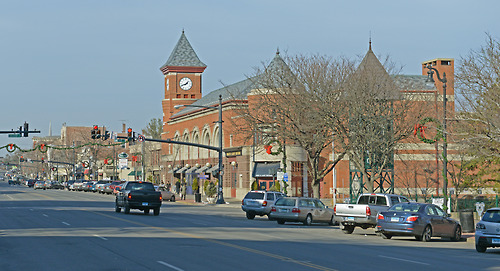 ent, they are often not enough to enable mixed-use growth. Favorable zoning regulations are important, but they cannot create mixed-use development by themselves. Each of the pilot communities had zoning policies that allowed for buildings with a mix of uses - a practice which should be commended and encouraged - but there were still significant impediments to promoting this type of growth. In addition, lessening current on-site parking requirements as a whole will also help promote housing in our downtowns.
 rence of municipal leaders devoted solely to exploring entrepreneurship.
 ard trend in overall new firm formation starting after 2006. Nationally, the trend reversed and started to recover in 2011. No metropolitan area escaped this downward trend, but there are differences among regions in the timing of the downturn and subsequent recovery.

 At each tour stop, the LEGO KidsFest partners with national and local organizations and businesses whose products, services and promotional efforts are kid-friendly and beneficial to attendees. Next year, the tour will again run in seven cities:
 ades, outlines the company’s trials, tribulations (including near-bankruptcy in 2003), innovations and success, observing that “The LEGO Group’s leaders believe that to discover the next big growth opportunity, the company must adhere to a fundamental truth about innovation: the more experiments you launch, the more likely it is that one will strike gold.” KIdsFest is but one example.
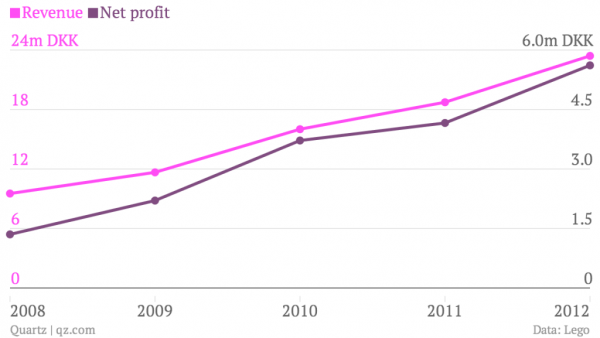 Last month, it was
 n among CT TRANSIT, CT DOT, the City of Hartford, the Capitol Region Development Authority, the Hartford Business Improvement District, the Hartford Metro Alliance, and the Connecticut Convention & Sports Bureau.
 ted the time has come to showcase the rebranding and new shuttle name! I chose "dash" not only because of the acronym (Downtown Area SHuttle) but also because it's an action word --"dash," to me, is exciting, inviting, and invokes you to hop on and discover Downtown."
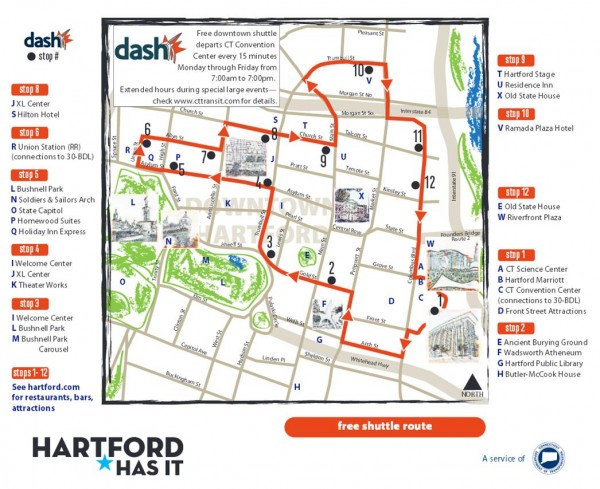 nd the vehicles alternate in providing the service. The DASH shuttle is a service of the CT Department of Transportation and operated by CT TRANSIT. Information on the route and extended service hours can be found at
 Young people are drinking more coffee than in recent years, according to the data compiled by the
 he National Coffee Association data indicates that 76 percent of adult Hispanic-Americans said they drank coffee yesterday, 13 percentage points ahead of the total population. By comparison, 47 percent of African-Americans and 64 percent of Caucasian-Americans said they drank coffee yesterday.
 t the program focus on learning about one’s own leadership personality, participatory decision- making, effective group dynamics and leadership practices, including change leadership. The field experiences allow participants to meet the area’s key players and organizations, better understand the region’s assets and challenges, and gain a greater understanding of creative problem solving while leveraging limited resources.
 Consortium for Higher Education (HCHE) to create a media device that would tell the story of the Career Beginnings program, which connects Hartford-area high schools, businesses, volunteers/mentors and parents in a coordinated effort to increase the percentage of Hartford teenagers who graduate from high school, pursue higher education and fulfill career goals.
 ).




















