Connecticut Ranks #12 in Child Homelessness Risk and Response, National Numbers at All-Time High
/A new report finds 2.5 million children experienced homelessness in the United States in 2013, representing one in every 30 children in the country - an historic high in the number of homeless children.
The report by Homeless Children America at the American Institutes for Research, called America’s Youngest Outcasts, documents the number of homeless children nationally and in every state, their well-being, their risk for child homelessness, and state level planning and policy efforts. It used the most recent U.S. Department of Education count of homeless children in U.S. public schools, which was released in September, and on 2013 U.S. Census data.
From 2012 to 2013, the number of children experiencing homelessness annually in the U.S. increased by 8 percent nationally. The number of homeless children also increased in 31 states and the District of Columbia and in 13 of those states, it increased by 10 percent or more.
Connecticut’s child homeless number was virtually unchanged. The report examined childhood homelessness on a state-by-state level, ranking the states from 1 (best) to 50 (worst). Connecticut’s overall ranking was #12.
The top 11 states were Minnesota, Nebraska, Massachusetts, Iowa, New Jersey, Vermont, New Hampshire, Pennsylvania, Hawaii, Maine and Maryland.
For Connecticut, the report shows there were 5,508 homeless children during the 2012-2013 school year. That is virtually identical - down by four children - from the 2011-2012 data, and nearly 200 less children than in 2010-11. Connecticut, based on those numbers, ranked #1 in the nation 2012-2013 in the “extent of child homeles sness” category.
The state ranked #17 in policy and planning, based on factors including the number of emergency and transitional housing units for homeless families, and state planning efforts.
The 130-page report, which will be presented to Congress, at a briefing scheduled for February 10, listed six causes of child homelessness nationwide:
- the nation’s high poverty rate
- lack of affordable housing across the nation
- continuing impacts of the Great Recession
- racial disparities

- challenges of single parenting
- the ways traumatic experiences, especially domestic violence, pave the way toward and prolong homelessness
“Without decisive action now, the federal goal of ending child homelessness by 2020 will soon be out of reach,” said Dr. Carmel DeCandia, Director of the Boston-based National Center on Family Homelessness at American Institutes for Research. “Living in shelters, neighbors’ basements, cars, campgrounds, and worse—homeless children are the most invisible and neglected individuals in our society.”
According to the report, research shows that homeless children are hungry and sick more often. They wonder if they will have a roof over their heads at night and what will happen to their families. Many homeless children struggle in school, missing days, repeating grades, and drop out entirely.
Up to 25% of homeless pre-school children have mental health problems requiring clinical evaluation; this increases to 40% among homeless school-age children. Homelessness, especially in young children, may also lead to changes in the brain, which can interfere with learning, emotional self-regulation, cognitive skills and social relationships.
The report also recommends a series of “effective responses” to child homelessness:
- Safe, affordable housing.
- Comprehensive needs assessments of all family members.
- Family-oriented services that incorporate trauma-informed care.
- Identification, prevention, and treatment of major depression in mothers.
- Parenting supports for mothers.
- Education and employment opportunities for parents.
- Further research to identify evidence-based programs and services for children and families.
The National Center on Family Homelessness, founded in 1988, is described as the nation’s foremost authority on child and family homelessness, using research and evidence-based approaches to prevent and end family homelessness.

 the U.S. Championships, which will also be held in different cities. The men’s championships will be held in Hartford, June 3-5, 2016. The women will also be in town, competing in the Secret Classic – a major pre-Olympic event. The women will move on to their national championships three weeks later in St. Louis.



 Recognized programs and organizations include the Rowley Spring Adult Education Diploma and Certificate Program, Billings Forge Community Works, Northwest Connecticut Manufacturer's Coalition, the Southeastern Connecticut Cultural Coalition, Fiddleheads Natural Food Co-op and the Putnam Business Association's First Fridays event.


 rt this new chapter,” said co-founder and CEO Kate Pipa, who lives in Shelton. “And we are excited to bring kids a new box each month of hands-on fun that also doubles as a learning opportunity and is making social impact for the kids and for our partner organizations.”

 “Many preliminary competition events would need to take place outside of the main Olympic Park areas so events may occur as far away as Connecticut. This also is an opportunity for more people to get involved with the Olympic Spirit,” Garcia adds.

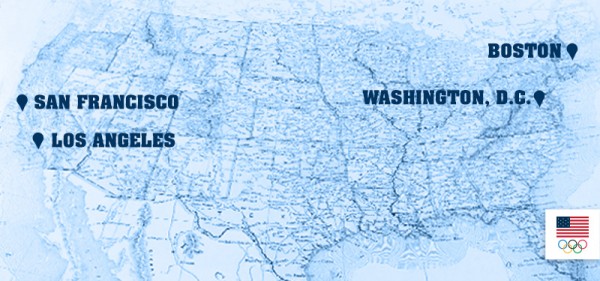

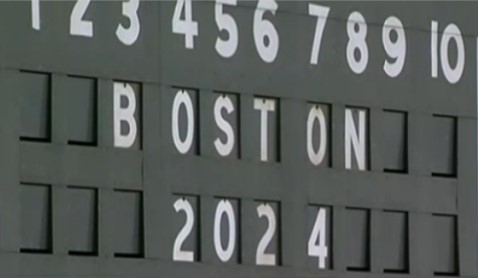 An Olympic games in Boston would utilize existing sports venues of both professional teams and area colleges, which could reduce potential costs. Infrastructure improvements, such as in transportation, are already on the drawing board, and could accelerate with a Boston bid.


 Making the grade are Bridgeport, Hartford, and New Haven. Their respective round one opponents make the Connecticut cities strong underdogs in need of a sizable population surge. Bridgeport goes up against San Francisco, Hartford faces Baltimore, and New Haven is up against Portland. (No, not Portland, Connecticut.)
 one of two versions of the game, geographic level: metro areas or states. Then they click on the name of the city in each match-up that you think has the larger population. Green shows a correct answer, red indicates an incorrect answer. Players are urged to “see how close you can come to a perfect score of 63” and then asked to “mouse-over results to view the most current population estimates for each pair.”