Housing and Health - Foundations Fund Research in CT to Examine Relationship
/Housing and health are increasingly the focus of study, to better determine how one impacts and influences the other. Foundations at the state and national level are among those devoting resources in Connecticut to seek answers that can ultimately guide future public policy. With a $125,000 grant from the Connecticut Health Foundation, the Open Communities Alliance will work to create better links between housing and health care and set the stage for a two-year pilot program to enable interested families of children with acute asthma to move to healthier neighborhoods.
The “Healthy Housing Vouchers” project aims to use housing policy to improve health outcomes for low-income families and reduce health disparities, tying together clinical and nonclinical factors that affect people’s well-being. 
The Open Communities Alliance project will create a streamlined process for low-income families of children with asthma to help them access affordable housing in healthier communities if they choose. It will include referrals, counseling on the impact of environmental conditions on health, help identifying potential rental locations, and assistance with security deposits, moving expenses, and supportive services as they adapt to a new community. The initial participants in the pilot program will be low-income families who receive government-funded housing vouchers and have children with acute asthma.
The Connecticut Health Foundation will also be providing a $100,000 grant to support Connecticut Voices for Children’s work to promote policies that advance health equity for children and families. The work will include conducting policy research, producing educational materials and analyses to inform policymakers about issues affecting children and families, bringing together state agencies and advocates through the Covering Connecticut’s Kids and Families Coalition, and participating in state-run councils to represent research-based policy solutions.
These projects are among 11 awarded a total of $535,000 - announced this month - by the Connecticut Health Foundation, based in Hartford. It is the state’s largest independent health philanthropy dedicated to improving health outcomes for people of color.
Earlier this year, the Connecticut Data Collaborative and the Liberal Arts Action Lab were awarded a 500 Cities Data Challenge grant by the Urban Institute and the Robert Wood Johnson Foundation. The joint proposal was one of 10 selected from a large competitive pool of applications submitted by organizations from cities across the United States.
The one-year $148,000 grant will support local research and educational outreach on housing conditions, health outcomes, and neighborhood disparities in the capital city of Hartford.
 The Connecticut Data Collaborative is a nonprofit organization focused on providing public access to data, creating an ecosystem of data users, and increasing data literacy. The Liberal Arts Action Lab, launched in early 2018 by Trinity College and Capital Community College, investigates problems posed by Hartford community partners, with teams of undergraduate students and faculty fellows who conduct semester-long research projects to strengthen the city.
The Urban Institute and the Robert Wood Johnson Foundation designed this challenge grant to encourage communities to delve into the 500 Cities open-access dataset, to design innovative solutions on social factors that influence health, and to guide local organizations on how to effectively use neighborhood-level data. The broader goal is to promote more comprehensive cross-collaborative approaches to foster a broader “Culture of Health” in urban areas.

 components of the overall score.
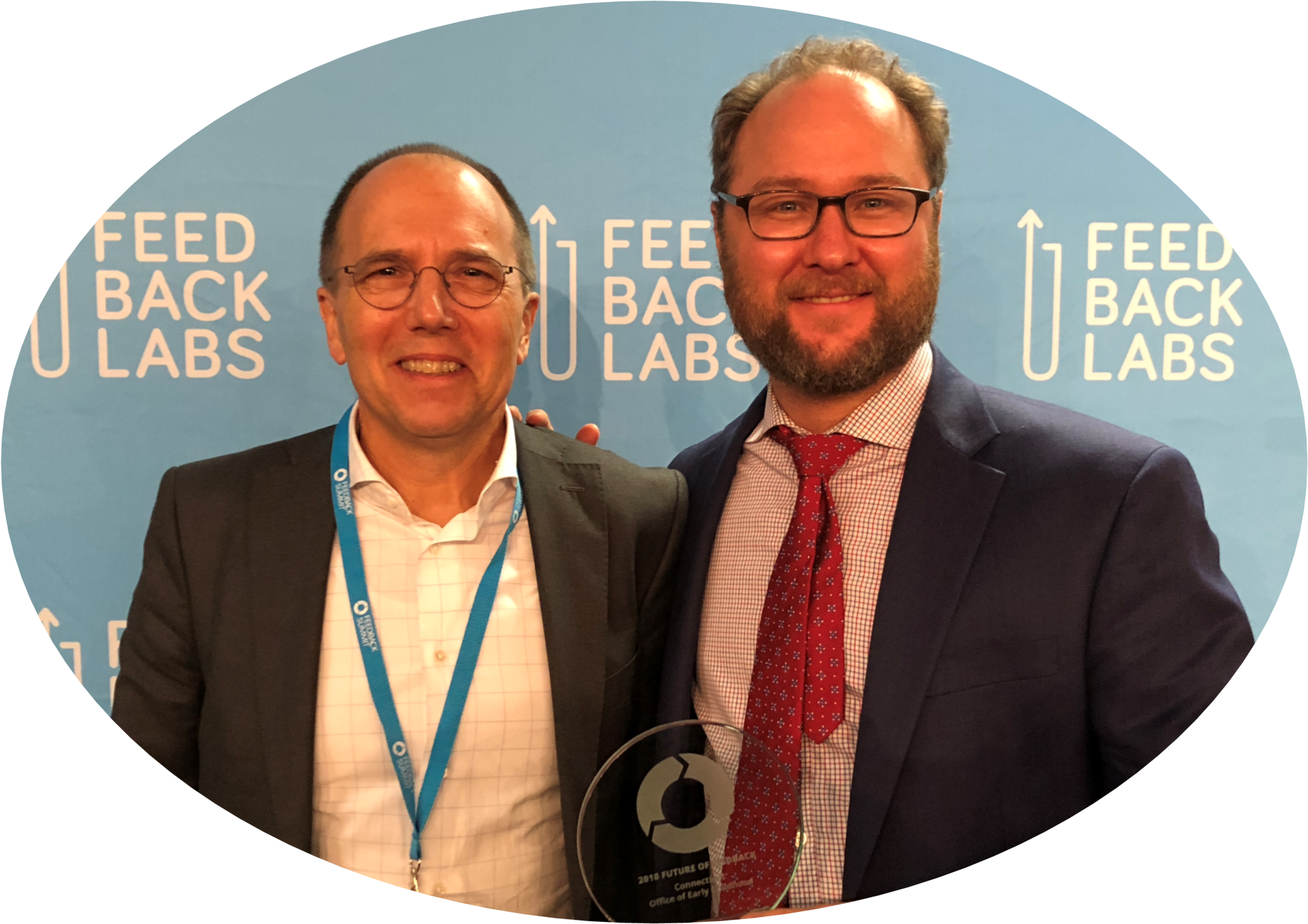 Among the 10 largest state agencies in Connecticut, OEC’s goal is to keep the state’s children safe, healthy, learning and thriving. Through its innovative feedback efforts, the agency is acting on evidence that engaging providers and parents in policymaking yields better results. Officials said that the agency combined data from 1,700 family surveys, another survey shared with all providers in the state, and 400 community and provider meetings in order to build a draft plan to transform the ECE system in the state, which serves 200,000 children.



 To assist patients who find themselves in this difficult situation, several states have passed legislation mandating a limit on out-of-pocket costs for medications. These limits can be applied in different forms, such as a per-drug cap or by mandating a copay-only structure in certain health plans. Those are just some of the areas of particular interest to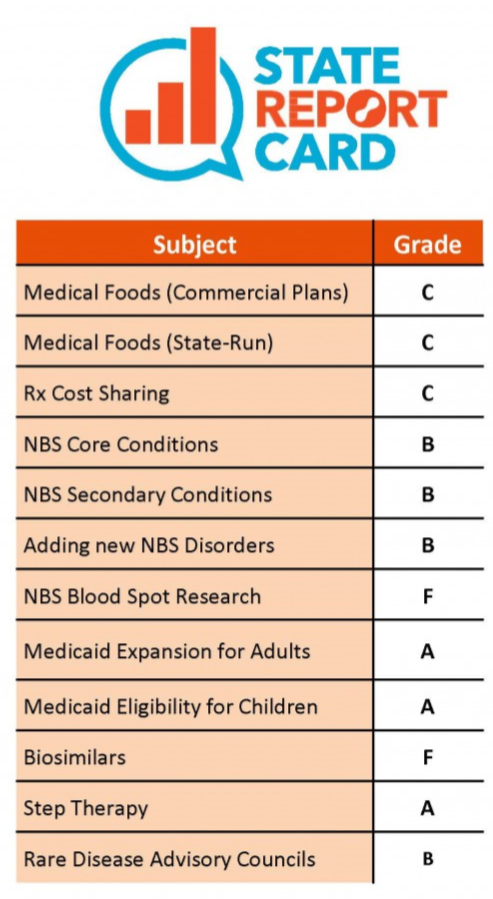


 Marion Manufacturing Company, located in Cheshire, will offer visitors a “first-hand look at manufacturing in today’s high tech world.”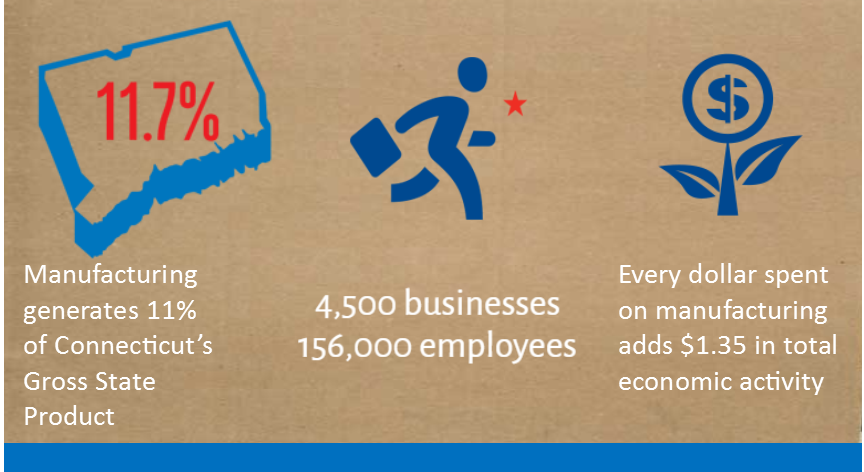

 More than 250 attendees are anticipated, to include consultants, coaches, funders, academics, and executives from across the country. The conference intends to “convene the diverse perspectives that shape and advance our field.”

 e the community a better place.”


 “This aging population has contributed to diminished economic growth, with Connecticut being one of only four states in the country with contracting output. This occurred while its population growth was nearly at the bottom for all states, along with having one of the largest contractions of prime working-age adults,” S&P noted in their analysis. “The outlook is equally dim. We expect the state's higher concentration of middle-aged and elderly residents compared with young adults and children to worsen.”
 It went on to explain that “upon further look, there is a profound distinction among the projected population shift when broken down by age. Between 2010 and 2040, Connecticut’s age 65 years and over population is on pace to increase by 57%. However, its population between the ages of 20-64 is projected to grow less than 2% and the population age 18 and under is projected to decline by 7%.”