New Casey Foundation Initiative Aims to Improve Job Prospects for Young Adults in Hartford
/A total of up to $900,000 will be awarded over the next four years to a Hartford collaborative initiative to strengthen the next generation of workers and meet employer demand. The Annie E. Casey Foundation has announced plans to award $6 million in grants to increase job opportunities for young adults from low income families in Hartford and four other communities - Cleveland, Indianapolis, Philadelphia, and Seattle.
Hartford expects to receive up to $900,000 over the grant period for planning and implementation.
Through Generation Work, the Foundation aims to combine building relationships with businesses, factoring in their needs in the local economy, with youth development strategies to prepare young people for work, such as mentoring and on-the-job learning opportunities. Ultimately, the Casey Foundation hopes to help establish local networks of workforce development organizations that serve young job seekers and have strong connections with businesses.
The Hartford Generation Work initiative is led by United Way of Central and Northeastern Connecticut, working with five other community partners:
- Capital Workforce Partners,
- Hartford Foundation for Public Giving,
- Hartford Opportunity Youth Collaborative,
- Our Piece of the Pie, and
- Workforce Solutions Collaborative of Metro Hartford.
Hartford’s initiative will connect young adults, including those out-of-school or work or underemployed, with education, training and employment for careers in manufacturing and healthcare, officials said. The initiative also intends to improve coordination and collaboration among partners and youth initiatives.
“The strength of our future workforce is one of our nation’s greatest assets and is critical to our ability to compete globally,” said Allison Gerber, a senior associate who oversees the Casey Foundation’s investments in improving job opportunities for low-income individuals and families. “The next generation is eager to work, but we must create more avenues for young adults to develop the knowledge and experience they need to succeed in the job market.”
While the Great Recession hit many hard, teens and young adults have experienced the most drastic drop in employment, data show. Millions of young people — particularly young people of color, justice-system involved, or aging out of foster care and from low-income families — face obstacles to employment or education, and the percentage of young people ages 18 to 29 in the job market nationwide has steadily declined in recent years. At the same time, employers often struggle to find workers with the right set of skills for available positions, Foundation officials point out.

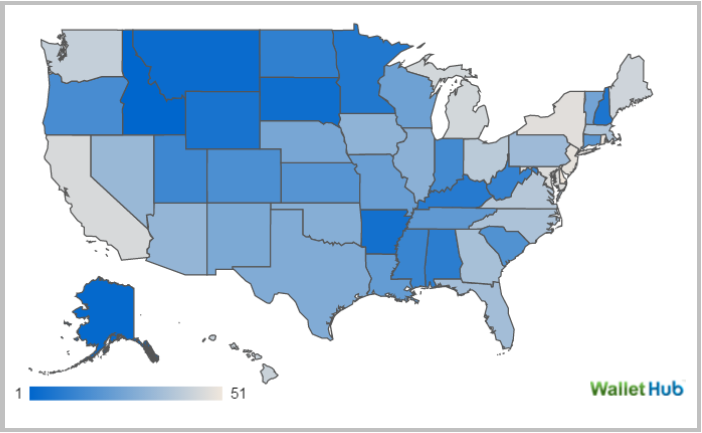
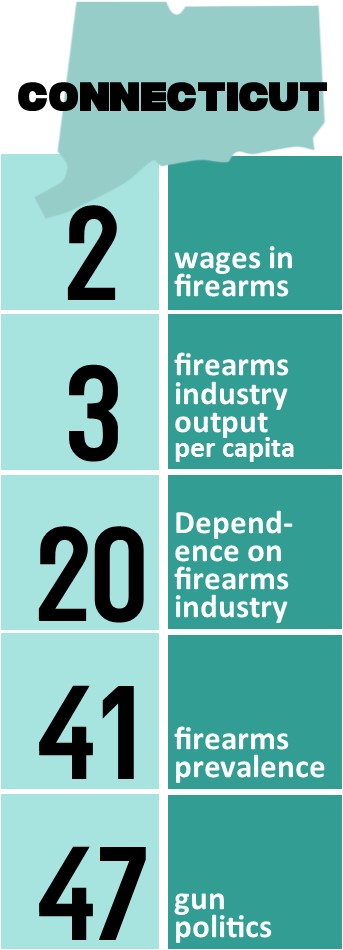 With the gun debate center-stage in the presidential primaries and in Washington, D.C., the website WalletHub analyzed which states depend most on the arms and ammunitions industry both directly for jobs and political contributions and indirectly through firearm ownership. WalletHub’s analysts compared the 50 states and the District of Columbia across three key dimensions: 1) Firearms Industry, 2) Gun Prevalence and 3) Gun Politics and eight metrics.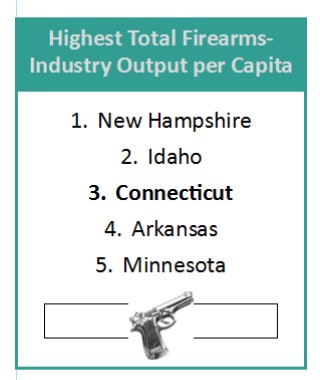


 hat their children will struggle with anxiety or depression.
 The final
 On July 13, 2015, President Obama hosted the sixth White House Conference on Aging, joining older Americans and their families, caregivers, and advocates at the White House and virtually through hundreds of watch parties across the country.
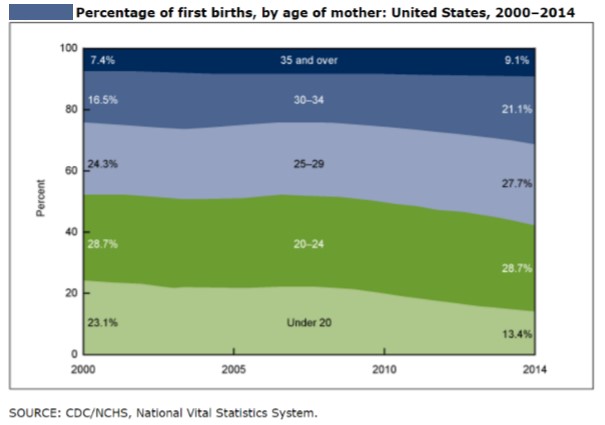

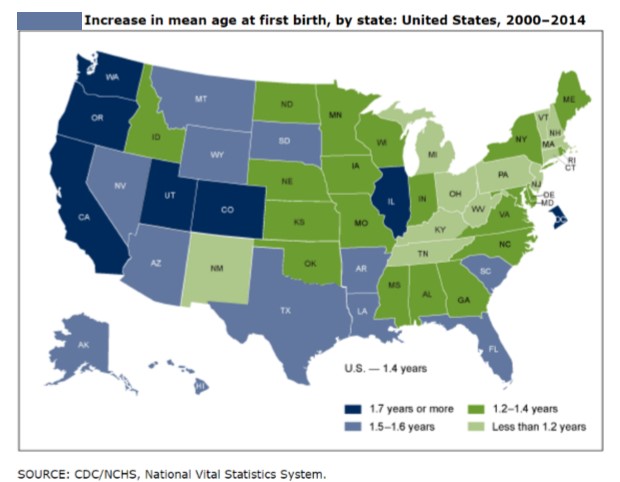 The report emphasized that over the past several decades, the United States continued to have a larger number of first births to older women along with fewer births to mothers under age 20. “This trend and the more recent uptick in delayed initial childbearing can affect the number of children a typical woman will have in her lifetime, family size, and for the overall population change in the United States,” the federal agency pointed out.


 Nearly 25 million children— 35% of the country’s children — lived in single-parent families in 2014, the latest full-year data. That is an increase of 392,000 since 2010.

 cent of children live in mother-only households and 8 percent live in father-only households. Those numbers are virtually unchanged since 2010. Back in 2000, however, 69 percent of children lived in married-couple households, 25 percent in mother-only homes and 6 percent in father-only households.
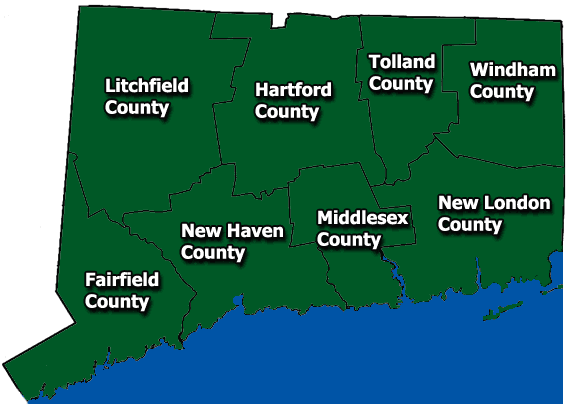 Congressional Districts, with the exception of the Fourth District, did better than the national average in the degree of income inequality.