Connecticut Among Five States with Highest Percentage of Foster Children in Group Homes, Report Says
/The percentage of children in foster care in Connecticut who have not been placed with a foster family is among the highest in the nation, according to a report issued in 2015. The report, from the Annie E. Casey Foundation, highlights the differing policies and practices among states, stressing that “kids should live with relatives or foster families when they have been removed from their own families, but one in seven nationally lies in a group placement.”
In Connecticut there are 4,071 children in foster care, with 74 percent in family placement and 24 percent in non-family placement, exceeding the national average, according to the report. That compares with 84 percent in family placement and 14 percent in non-family placement, nationally. Only Colorado (35%), Rhode Island (28%) and West Virginia and Wyoming (27%), had a higher percentage of foster children than Connecticut in a non-family placement. 
The state-by-state data from 2013, the most recent year available, shows use of group placements varies widely by state, ranging from 4 percent to 35 percent of children under the system’s care. In Oregon, Kansas, Maine and Washington, only 4 to 5 percent of young people in out-of-home care are in group placements, the report points out.
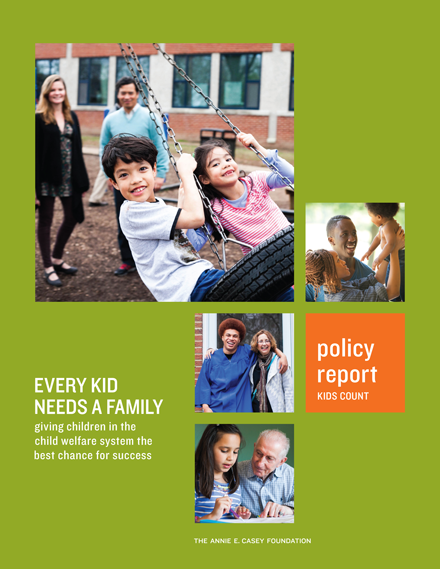
The Foundation’s policy report, Every Kid Needs A Family, highlights “the urgent need to ensure, through sound policies and proven practices, that everything possible is being done to find loving, nurturing and supported families to children in foster care.” The report highlights the promising ways that state and local government leaders as well as policymakers, judges and private providers can work together as they strive to help these 57,000 children who are living in group placements – and overall, the more than 400,000 children in the care of child welfare systems.
The report goes on to recommend how communities can widen the array of services available to help parents and children under stress within their own homes, so that children have a better chance of reuniting with their birth families and retaining bonds important to their development. And it shows ways in which residential treatment — a vital option for the small percentage of young people who cannot safely live in any family during treatment — can help those young people return to families more quickly and prepare them to thrive there.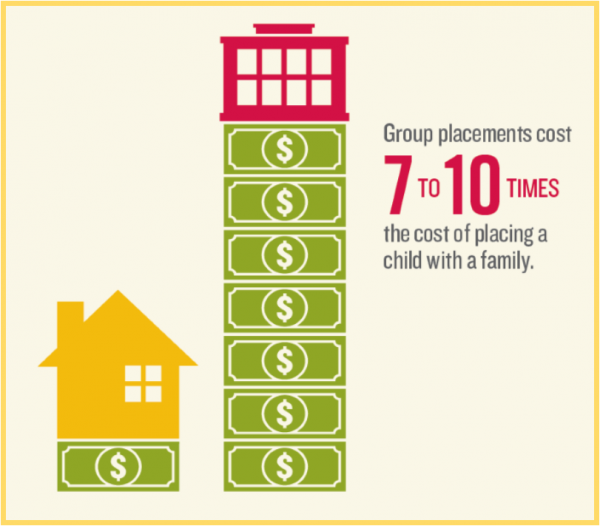
“We have an obligation to help all of our kids succeed,” said Patrick McCarthy, president and CEO of the Casey Foundation. “If our children couldn’t live with us, we would want them to live with someone close to us - and if that couldn’t happen, with a caring foster family who could provide them with as normal a life as possible during a turbulent time. This report shows more kids can live safely in families and get the nurturing they need while under the care and protection of our child welfare systems.”
Among the report’s findings across the United States:
- One in 7 children under the care of child welfare systems live in group placements, even though federal law requires that they live in families whenever possible.
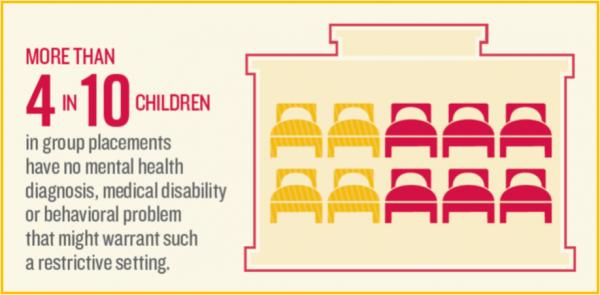
- Fort
 y percent of the children in group placements have no documented behavioral or medical need that would warrant placement in such a restrictive setting.
 - While research shows children who need residential treatment likely need to stay no longer than three to six months, young people are staying in group placements an average of eight months.
- Group placements cost 7 to 10 times the cost of placing a child with a family.
The report also indicates that African American and Latino youth are more likely than white youth to be placed in group settings, and boys are more likely than girls to be in group placements. Nationally, African American youth are 18 percent more likely than their white counterparts to be sent to group placements, and boys are 29 percent more likely than girls, according to data cited in the report.


 age, MSW, Director of Community Organizing, Yale Program for Recovery and Community Health. “We know that good nutrition plays a key role in mental health and that’s why the mental health community is here today to support the Witnesses.”


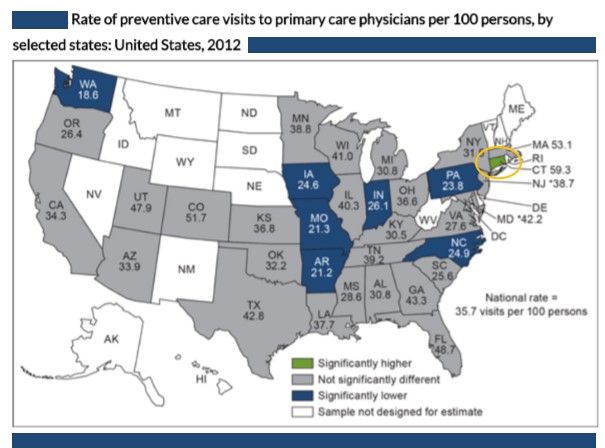
 The rate of preventive care visits in the 34 most populous states ranged from 33.1 visits per 100 persons in Arkansas to 120 visits per 100 persons in Connecticut. Among those 34 states, the rate of preventive care visits was lower than the national rate in 11 states (Arkansas, Indiana, Iowa, Michigan, Missouri, North Carolina, Oklahoma, Oregon, Pennsylvania, South Carolina, and Washington). The national average was 61.4 visits per 100 persons. The data is from 2012, the most recent year available from the National Ambulatory Medical Care Survey.


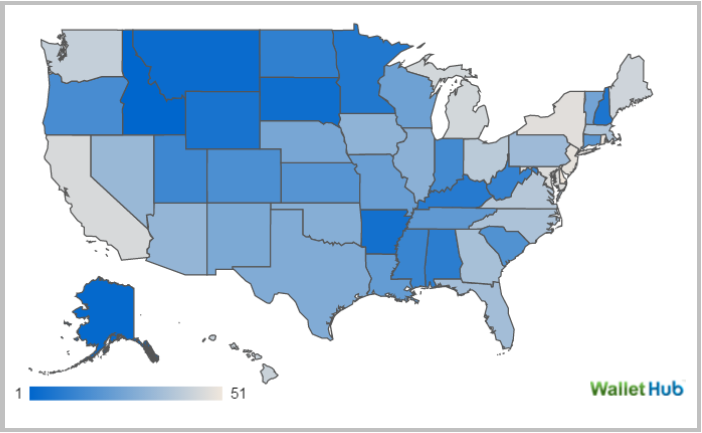
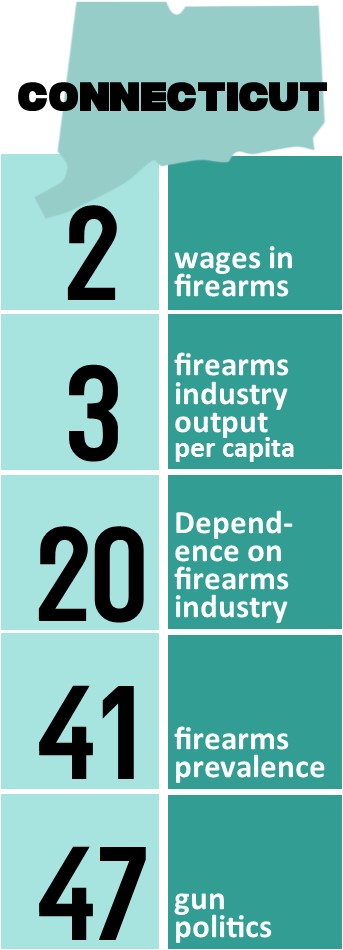 With the gun debate center-stage in the presidential primaries and in Washington, D.C., the website WalletHub analyzed which states depend most on the arms and ammunitions industry both directly for jobs and political contributions and indirectly through firearm ownership. WalletHub’s analysts compared the 50 states and the District of Columbia across three key dimensions: 1) Firearms Industry, 2) Gun Prevalence and 3) Gun Politics and eight metrics.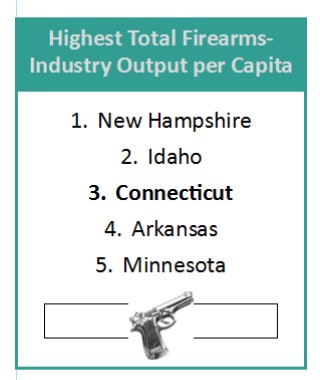


 hat their children will struggle with anxiety or depression.
 The final
 On July 13, 2015, President Obama hosted the sixth White House Conference on Aging, joining older Americans and their families, caregivers, and advocates at the White House and virtually through hundreds of watch parties across the country.