CT Unemployment Rate Highest in New England, Higher Since Year Began
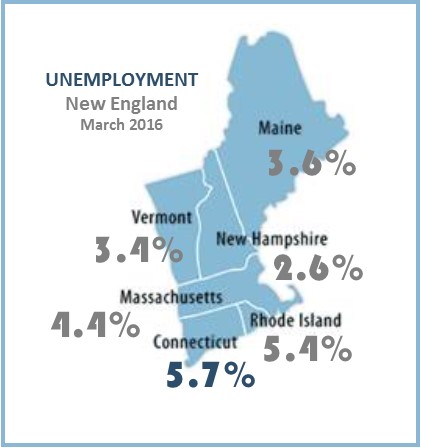
/Unemployment in Connecticut nudged upwards in March from a month earlier, but remained slightly below a year ago. The state’s jobless rate of 5.7 was higher than the national rate of 5.0 percent and the highest in New England. Nationwide, the regional and state unemployment rates were generally little changed in March, according to the U.S. Bureau of Labor Statistics:
- 21 states had unemployment rate decreases from February,
- 15 states including Connecticut had increases, and
- 14 states and the District of Columbia had no change,
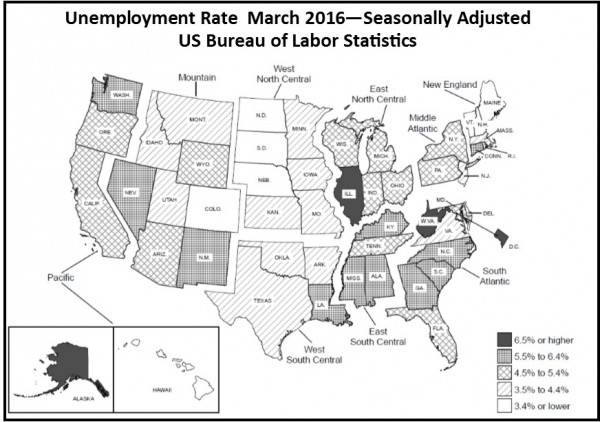
 Thirty-six states including Connecticut (and the District of Columbia) had unemployment rate decreases from a year earlier, 12 states had increases, and 2 states had no change.
The national jobless rate, 5.0 percent, was little changed from February and was 0.5 percentage point lower than in March 2015. Job growth occurred in retail trade, construction, and health care. Employment fell in manufacturing and mining.
Connecticut’s unemployment rate was 5.9 percent a year ago in March 2015, dropped to 5.5 percent by January and February of 2016, and climbed to 5.7 percent in March.
Overall in New England, the unemployment rate was 4.5 percent in March, compared with 5.2 percent in March 2015. Across the region, the unemployment rate has steadily declined during the past year. The rate was 4.6 percent in January and 4.5 percent in February, according to the BLS data.
Last month, the unemployment rate in Rhode Island was 5.4 percent, in Massachusetts was 4.4 percent, in Maine 3.4 percent, in Vermont 3.3 percent and in New Hampshire 2.6 percent.
The highest unemployment rates in the nation last month were in Alaska (6.6%), West Virginia (6.5%), D.C. (6.5%), Illinois (6.5%), Alabama (6.2%), New Mexico (6.2%), and Louisiana (6.1%).
South Dakota and New Hampshire had the lowest jobless rates in March, 2.5 percent and 2.6 percent, respectively, followed by Colorado, 2.9 percent.
“We are still struggling to come to terms with a stubborn new economic reality,” said economist Pete Gioia of the Connecticut Business and Industry Association. “We are adding back low-wage jobs at a much higher rate than high-paying jobs.”
Connecticut has now recovered 77 percent of jobs lost during the recession, CBIA reported, while the U.S. has recovered 161 percent of jobs lost during that same time, according to DataCore Partners.
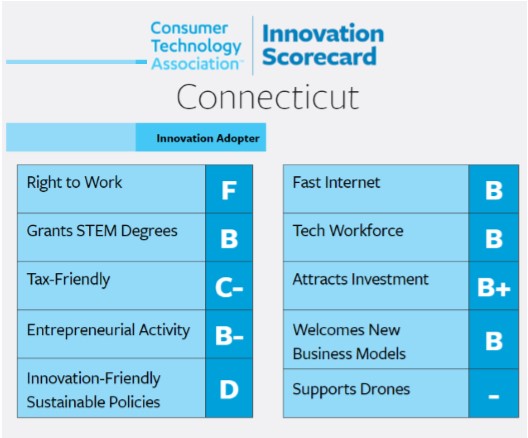

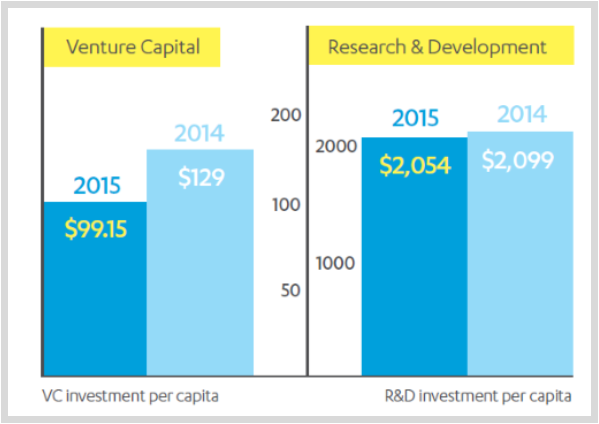 The report also highlights an area of decline in Connecticut: “Over $100 million of venture capital left Connecticut in 2015, causing the state to lose ground after earning an ‘A-’ in the category in the inaugural 2015 Scorecard. Connecticut should improve its tax code, which is among the least growth-friendly in the country, and reform regulations that stifle innovation.”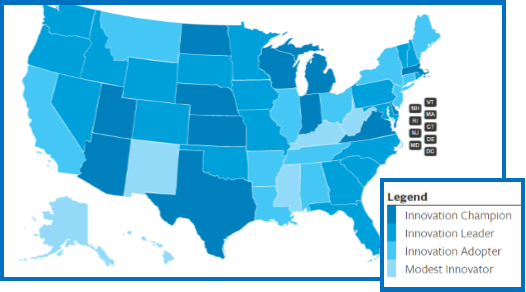
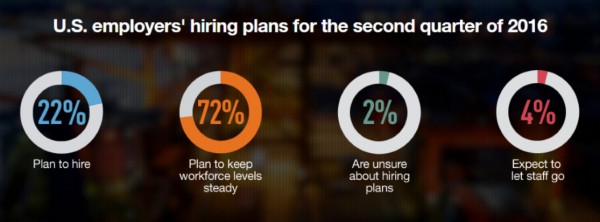
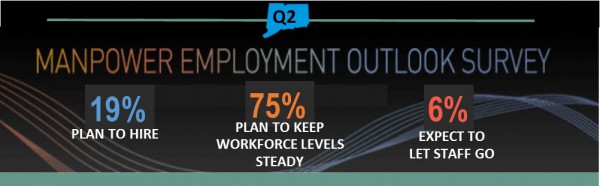 For the quarter just underway, job prospects appear best in Construction, Durable Goods Manufacturing, Transportation & Utilities, Wholesale & Retail Trade, Information, Financial Activities, Professional & Business Services, Education & Health Services, Leisure & Hospitality and Other Services. Employers in Nondurable Goods Manufacturing plan to reduce staffing levels, while hiring in Government is expected to remain unchanged, according to the projections.





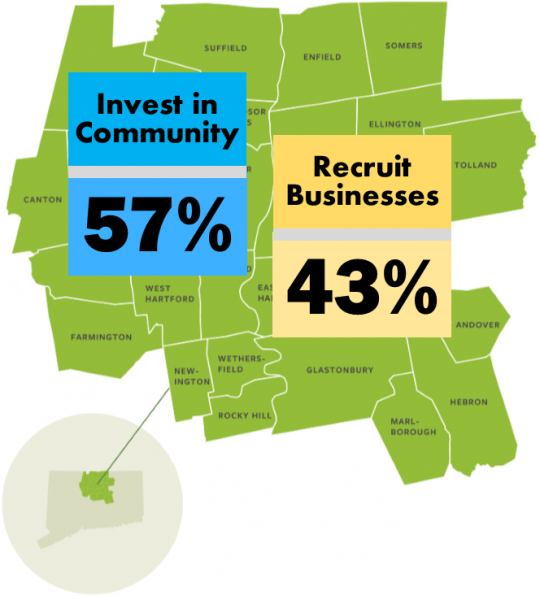 The data from the survey reflect a difference of opinion among older residents of the region. Individuals over age 46 took the opposite view from younger residents, with a majority expressing a preference for spending skewed toward recruiting companies. The reversal was dramatic, with two-thirds of those age 36-45 preferring investing in communities, by a margin of 67%-33%, and individuals age 46-55 expressing a preference for resources to be aimed at recruiting companies, with two-thirds holding the opposite view, 63%-38%.

 The issue brief indicated that a disadvantage of a distance toll system on all limited access highways in Connecticut would be that it “could create an incentive for people to use alternative roadways. The increased use of these roadways could shift the burden of maintenance and congestion to municipalities.” The advantage would be that distance tolls “could help to more efficiently allocate the cost of these roadways to drivers who use them the most.”
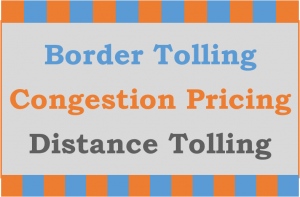 Congestion pricing, which provides for higher toll charges at peak traffic times, “helps to limit traffic on major roadways and create an incentive for people to use more environmentally friendly forms of public transportation,” the policy paper indicates. However, a congestion pricing system “could polarize roadway use by displacing low income commuters during peak driving hours. Congestion pricing could also create displacement effects whereby the increased use of local roadways could shift the burden of maintenance and congestion to municipalities.”


 When asked to think about overall business conditions in Connecticut versus 6 months ago, respondents – for the first time in three quarters – said conditions are better now than 6 months ago. The margin was narrow - with 27 percent saying “better” and 25 percent saying “worse”, but that’s a reversal from the past two quarters, when more people were of the view that business conditions has worsened (22%-24% and 24%-28% in the two previous quarters).