New “Digital Cookie” Program Brings On-Line Sales to Girl Scouts of Connecticut
/Another time-honored tradition has transitioned to the digital age. Girl Scouts are now selling their celebrated line of cookies on-line. Connecticut is one of the Girl Scout Councils across the country to be participating in the inaugural year of the Digital Cookie program – and the response has been better than expected.
The new Digital Cookie program strengthens, expands, and enhances the well-known and highly regarded Girl Scout Cookie Program by “combining the values and lessons of door-to-door and booth sales with crucial 21st century business and entrepreneurial skills,” official say, “continuing Girl Scouts’ long tradition of preparing today’s girls to be the female leaders of tomorrow.”
Here’s how it works: Prospective cookie customers are able to purchase cookies on-line, after having been contacted by a Girl Scout. (Or you can tell a Girl Scout you know that you're interested in becoming a Digital Cookie customer.) Each scout has their own personal page thru which the cookies are ordered, so the scout will receive credit for the sale, just as when the transaction is completed in-person. Officials say that some girls will market their online cookie business by inviting customers to visit their personalized cookie websites through a link sent via email. Others will take in-person orders using a unique mobile app designed specifically for Girl Scouts.
 “We were excited here in Connecticut to give our Girl Scouts the opportunity to participate in a pilot of Digital Cookie, a first-of-its-kind web platform that lets girls sell cookies from their own protected, personalized websites,” said Tiffany Ventura Thiele, Communications & PR Manager for Girl Scouts of Connecticut.
“Digital Cookie represents the next evolution of the iconic Girl Scout Cookie Program, adding a digital layer that broadens and strengthens the Five Skills girl learn, while introducing modern elements like website customization and e-commerce,” Thiele explained.
Those skills haven’t changed: goal-setting, decision-making, money management, people skills and business ethics. With the new on-line system, customers will be able to pay by credit card and have cookies either delivered by the Girl Scout or shipped.
Sales are running strong thus far. To date, in Connecticut, nearly 38,000 packages have been sold on-line, with more than 2,500 girls participating. In fact, orders placed in Connecticut have been shipped to 49 states and the District of Columbia, as well as to military personnel. (If you’re wondering, nearly two million boxes of cookies were delivered this past weekend, based on initial orders taken by Girl Scouts in Connecticut.)
Nationwide, a majority of the 112 local Girl Scout councils are participating in the Digital Cookie program for the inaugural 2014–2015 cookie season, which began in January. Additional councils expected to be on board by the end of the year, using an updated version of the program, which will be tweaked based on the feedback received from participating Councils.
 Officials stress that “because 100 percent of the net revenue raised through the Girl Scout Cookie Program stays with local councils, when you purchase Girl Scout Cookies you’re not only getting a delicious treat — you’re also making an important investment in your community.”
There are two new cookie options locally this year: Rah-Rah Raisins, an oatmeal cookie, and Toffee-tastics, a gluten-free butter cookie with toffee pieces.
An informal poll on the national Girl Scouts website asks visitors to vote for their favorite Girl Scout cookie. The top three thus far: Samoas (30%), Thin Mints (27%), and Samoas (13%).
If you’ve yet to place an order, there’s still time if you have a sweet tooth for Samoas, Thin Mints, Tagalongs, Do-Si-Dos, Savannah Smiles, Trefolis or the two new offerings. The Girl Scouts of Connecticut’s cookie program will continue with booth sales through the month of March, so there’s still a chance to fill the cookie jar.

 The “dysfunctional thinking” and anxiety due to emotional instability or the lack of openness to new experience contributes to fear of negative evaluation, the study concluded. It is this fear of potential negative social judgment that is at the heart of reticence, in which individuals believe that ‘‘it is better to remain silent than to risk appearing foolish.’’
 s.
s. The top 10 institutions are Johns Hopkins, University of Michigan (Ann Arbor), University of Washington (Seattle), University of Wisconsin (Madison), University of California (San Diego), University of California (San Francisco), Harvard, Duke, University of North Carolina (Chapel Hill) and University of California (Los Angeles).
 The survey collects information on R&D expenditures by field of research and source of funds and also gathers information on types of research and expenses and headcounts of R&D personnel. The survey is an annual census of institutions that expended at least $150,000 in separately budgeted R&D during the fiscal year.



 iagnose, treat, and ultimately, cure NEC. Named after Morgan, it celebrates his survival, courage and strength. Morgan and his twin brother were born at 28 weeks, nearly three months early and each weighing less than 2.5 pounds. At four days old, Morgan developed NEC and lost approximately 20 percent of his small intestine. Morgan not only survived but has also thrived since his bout with NEC. The fund is his family’s way of paying it forward.


 “Hopefully this program will be a model for the rest of state,’’ Snedaker said. “Parents will now know their young children will have some of the same protections that benefit public middle and high school athletes.” In Norwalk, the newly approved guidelines had received support for the Norwalk Youth Football and Cheer, Norwalk Junior Soccer Association, Norwalk Cal Ripkin Baseball, Norwalk Little League and Norwalk Junior Lacrosse, according to the SportsCAPP website.

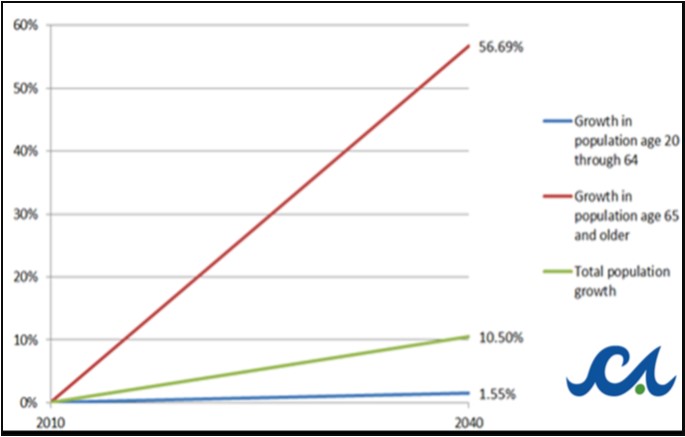
 The report also suggests that policy makers “explore the possibility of incenting employer-based long-term care insurance coverage.” In 2009 almost 25,000 employers in the U.S. offered long-term care insurance to their employees – just 35 percent of the 7.5 million insurance policies in effect. In addition, the report encourages the Connecticut Congressional delegation to support a federal tax deduction for long-term care insurance, and urges policy makers to consider making reverse mortgages “a more viable option.”
 The
The 
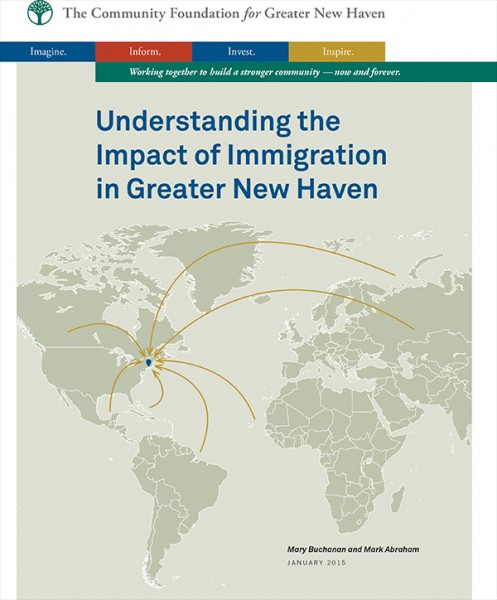
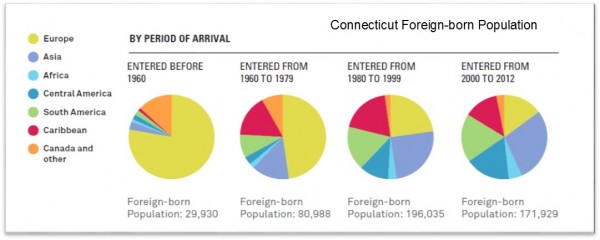
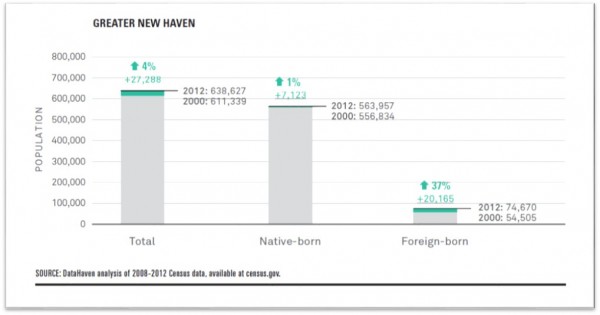 In New Haven’s neighborhoods in particular, the boost in immigrants has revitalized communities and spurred new businesses. From 1970 to 1990, the foreign-born population in most New Haven neighborhoods remained flat or declined, and these neighborhoods suffered from overall population decline—similar to other central city neighborhoods in post-industrial cities. Since 1990, the report found, the foreign-born population in many city neighborhoods has rebounded sharply, particularly in areas such as Edgewood, West River, Fair Haven, and the Hill. These areas have seen a large influx of population and business overall.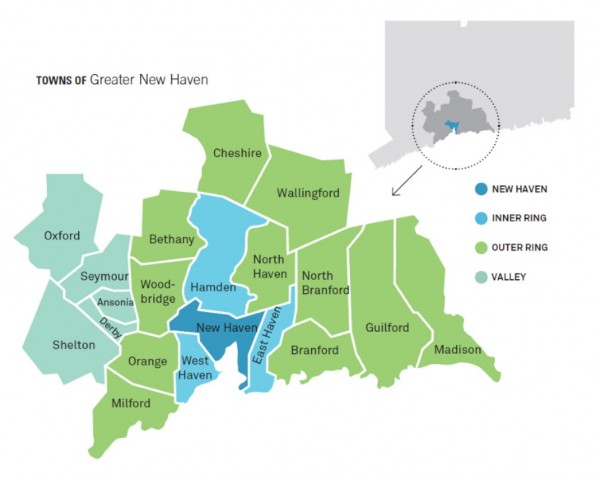
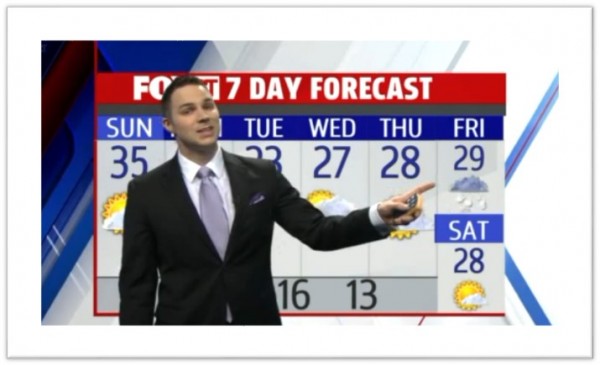 Western Connecticut State University has the state's only meteorology program, which was run for many years by WTNH-TV meteorologist Dr. Mel Goldstein. The WCSU website is chock full of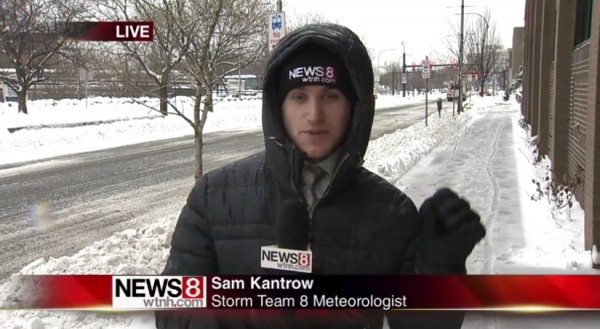
 . Students in the bachelor's program earn credits while performing TV/radio weathercasts or doing real-time forecasting for clients in the university's on-campus Weather Center, according to the WCSU website.
 The Mayors will engage with Administration officials, Congressional leaders business leaders to “ensure the health and economic recovery of America’s cities,” according to program organizers. Vice President Joe Biden is scheduled to address the Mayors on Thursday.
 ttending from Connecticut are Bridgeport Mayor Bill Finch, Bristol Mayor Ken Cockayne, Danbury Mayor Mark Boughton, East Hartford Mayor Marcia Leclerc, Hartford Mayor Pedro Segarra, New Britain Mayor Erin Stewart, New Haven Mayor Toni Harp, Norwich Mayor Deberey Hinchey, Shelton Mayor Mark Lauretti, Stamford Mayor David Martin, Stratford Mayor John Harkins, Trumbull First Selectman Timothy Herbst and Waterbury Mayor Neil O’Leary.