3 Cities, 3 Towns from CT Take Up National Challenge on Pedestrian, Bicyclist Safety to Launch Thursday
/Six Connecticut towns and cities are among the first 150 in the nation to respond to a challenge issued by U.S. Secretary of Transportation (USDOT) Anthony Foxx aimed at promoting bicyclist and pedestrian safety. The year-long nationwide initiative will officially kick-off this Thursday.
The chief elected officials of the cities of Hartford, Stamford, and Bridgeport, and the towns of Glastonbury, Simsbury, and South Windsor have signed on to the Mayor’s Challenge, announced earlier this year at the annual meeting of the U.S. Conference of Mayors. The Mayors’ Challenge for Safer People and Safer Streets is a call to action by Secretary Foxx for mayors and local elected officials to take significant action to improve safety for bicycle riders and pedestrians of all ages and abilities over the next year.
The challenge is based on the 2010 USDOT Policy Statement on Bicycle and Pedestrian Accommodation to incorporate safe and convenient walking and bicycling facilities into transportation projects. In the policy statements, USDOT recognizes the many benefits walking and bicycling provide — including health, safety, environmental, transportation, and quality of life.
The challenge calls on Mayors, First Selectmen and other chief elected officials to: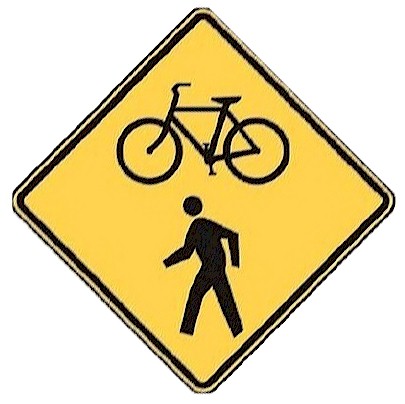
- Issue a public statement about the importance of bicycle and pedestrian safety
- Form a local action team to advance safety and accessibility goals
- Take local action through seven Challenge activities (listed below)
In Connecticut, the advocacy organization Bike Walk Connecticut is urging Connecticut's chief elected officials to participate in the challenge and engage their residents in carrying out the initiative’s objectives. They applauded Foxx, a former Mayor of Charlotte, N.C., for making “bicycle and pedestrian safety is his signature issue as the head of USDOT.”
The challenge activities, as outlined by USDOT, include:
- Take a Complete Streets approach
- Identify and address barriers to make streets safe and convenient for all road users, including people of all ages and abilities and those using assistive mobility devices
- Gather and track biking and walking data
- Use designs that are appropriate to the context of the street and its uses
- Take advantage of opportunities to create and complete ped-bike networks through maintenance
- Improve walking and biking safety laws and regulations
- Educate and enforce proper road use behavior by all
A total of 154 cities nationwide have signed on as of March 6, with the official kick-off later this week in Washington, D.C. Additional municipalities in Connecticut and across the country are expected to add their names to the list of participating cities. USDOT has invited Mayors' Challenge participants to attend the Mayors' Challenge Summit kick-off event at USDOT’s Headquarters’ office in the nation's capital on Thursday, March 12. The Summit will bring together participating cities to network and learn more about the Challenge activities, and USDOT staff members will share the resources and tools available to help cities with Challenge activities.
Federal officials note that the lack of systematic data collection related to walking and bicycling transportation, such as count data, travel survey data, and injury data, creates challenges for improving non- motorized transportation networks and safety. Communities that routinely collect walking and biking data, they point out, are better positioned to track trends and prioritize investments.
In advocating a “complete streets” approach, USDOT emphasizes that complete streets “make it safe and convenient for people of all ages and abilities to reach their destination whether by car, train, bike, or foot” and they call for “a policy commitment to prioritize and integrate all road users into every transportation project.”
Bike Walk Connecticut has reported that there were 49 bicycle or pedestrian fatalities in Connecticut in 2012, the most recent data available. There were an additional 1,226 injuries to bicyclists or pedestrians. In total, from 2006 to 2012, there were more than 10,000 injuries and nearly 300 fatalities from crashes involving pedestrians or bicyclists, according to the organization, based on federal and state data.

 “We were excited here in Connecticut to give our Girl Scouts the opportunity to participate in a pilot of Digital Cookie, a first-of-its-kind web platform that lets girls sell cookies from their own protected, personalized websites,” said Tiffany Ventura Thiele, Communications & PR Manager for Girl Scouts of Connecticut.

 Officials stress that “because 100 percent of the net revenue raised through the Girl Scout Cookie Program stays with local councils, when you purchase Girl Scout Cookies you’re not only getting a delicious treat — you’re also making an important investment in your community.”

 The “dysfunctional thinking” and anxiety due to emotional instability or the lack of openness to new experience contributes to fear of negative evaluation, the study concluded. It is this fear of potential negative social judgment that is at the heart of reticence, in which individuals believe that ‘‘it is better to remain silent than to risk appearing foolish.’’
 s.
 The top 10 institutions are Johns Hopkins, University of Michigan (Ann Arbor), University of Washington (Seattle), University of Wisconsin (Madison), University of California (San Diego), University of California (San Francisco), Harvard, Duke, University of North Carolina (Chapel Hill) and University of California (Los Angeles).
 The survey collects information on R&D expenditures by field of research and source of funds and also gathers information on types of research and expenses and headcounts of R&D personnel. The survey is an annual census of institutions that expended at least $150,000 in separately budgeted R&D during the fiscal year.



 iagnose, treat, and ultimately, cure NEC. Named after Morgan, it celebrates his survival, courage and strength. Morgan and his twin brother were born at 28 weeks, nearly three months early and each weighing less than 2.5 pounds. At four days old, Morgan developed NEC and lost approximately 20 percent of his small intestine. Morgan not only survived but has also thrived since his bout with NEC. The fund is his family’s way of paying it forward.



 “Hopefully this program will be a model for the rest of state,’’ Snedaker said. “Parents will now know their young children will have some of the same protections that benefit public middle and high school athletes.” In Norwalk, the newly approved guidelines had received support for the Norwalk Youth Football and Cheer, Norwalk Junior Soccer Association, Norwalk Cal Ripkin Baseball, Norwalk Little League and Norwalk Junior Lacrosse, according to the SportsCAPP website.
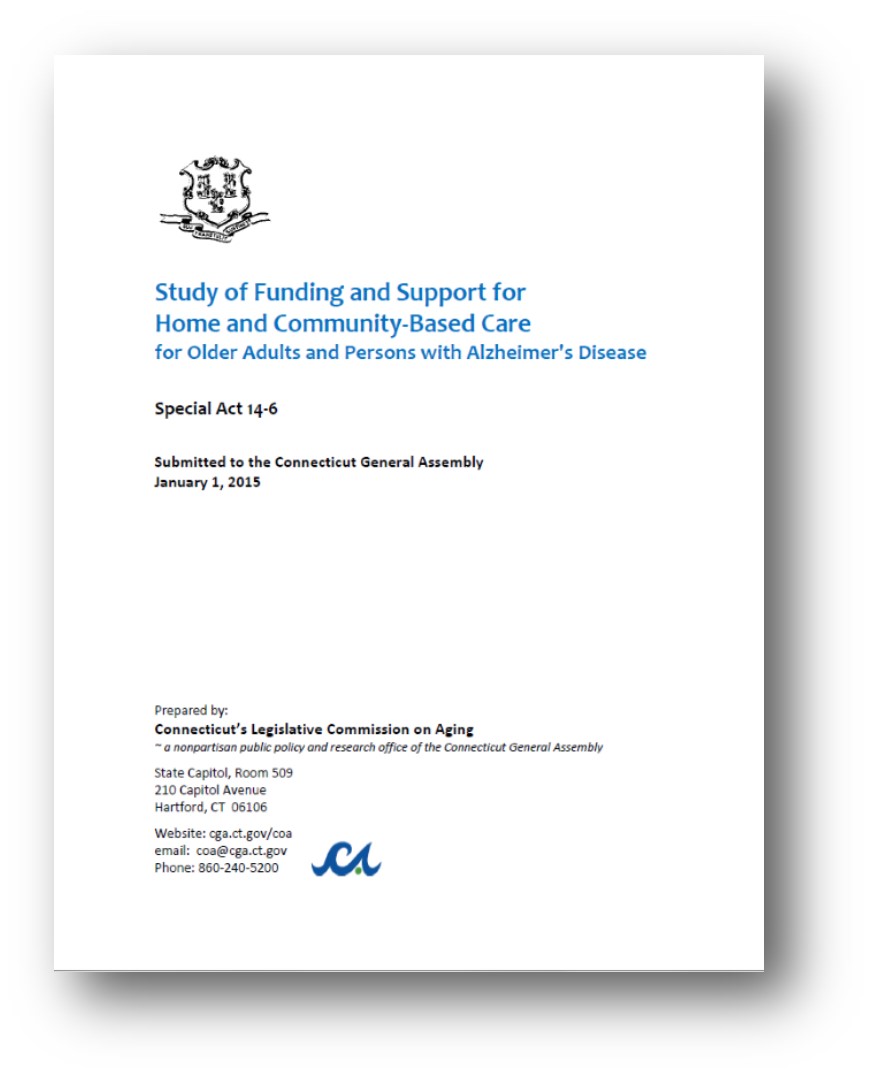

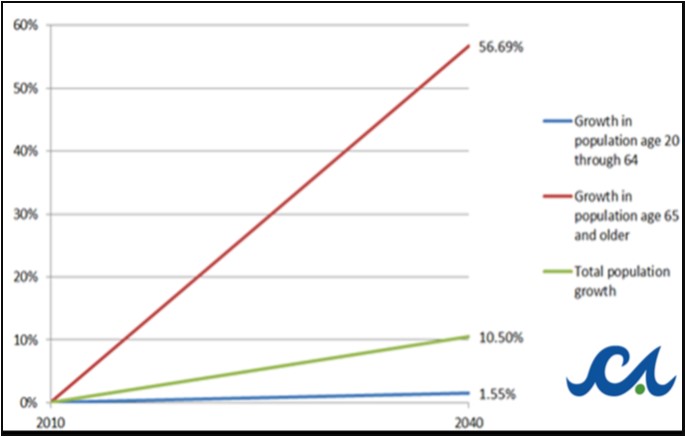
 The report also suggests that policy makers “explore the possibility of incenting employer-based long-term care insurance coverage.” In 2009 almost 25,000 employers in the U.S. offered long-term care insurance to their employees – just 35 percent of the 7.5 million insurance policies in effect. In addition, the report encourages the Connecticut Congressional delegation to support a federal tax deduction for long-term care insurance, and urges policy makers to consider making reverse mortgages “a more viable option.”
 The
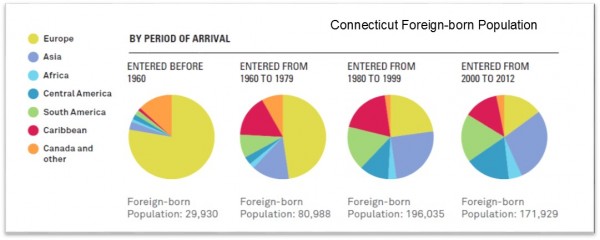
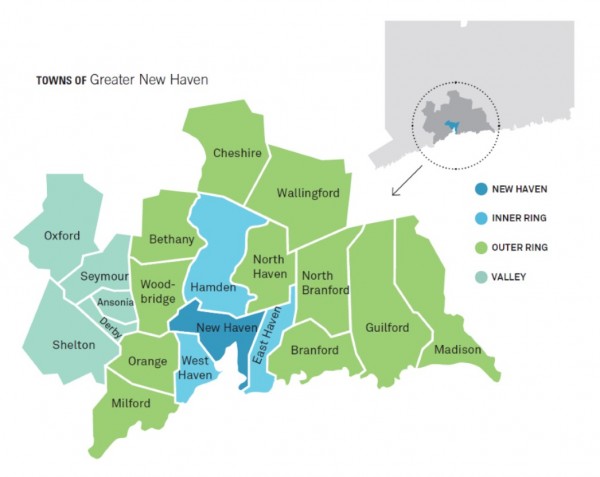
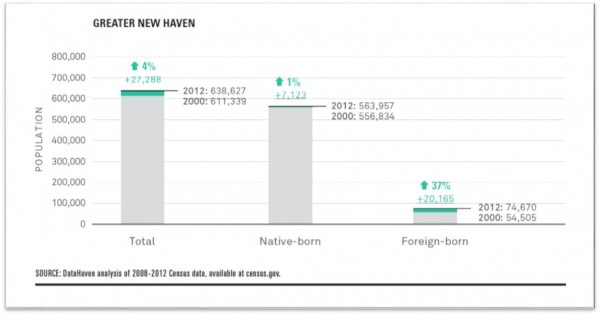 In New Haven’s neighborhoods in particular, the boost in immigrants has revitalized communities and spurred new businesses. From 1970 to 1990, the foreign-born population in most New Haven neighborhoods remained flat or declined, and these neighborhoods suffered from overall population decline—similar to other central city neighborhoods in post-industrial cities. Since 1990, the report found, the foreign-born population in many city neighborhoods has rebounded sharply, particularly in areas such as Edgewood, West River, Fair Haven, and the Hill. These areas have seen a large influx of population and business overall.
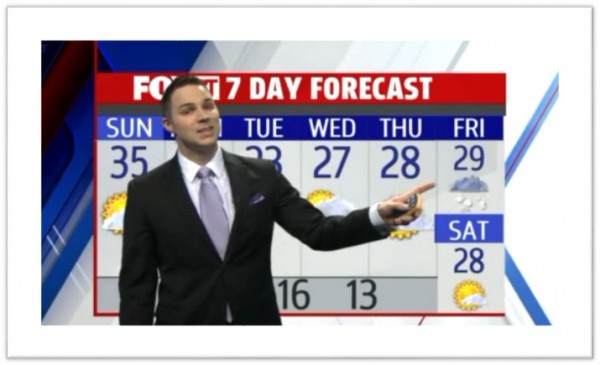 Western Connecticut State University has the state's only meteorology program, which was run for many years by WTNH-TV meteorologist Dr. Mel Goldstein. The WCSU website is chock full of
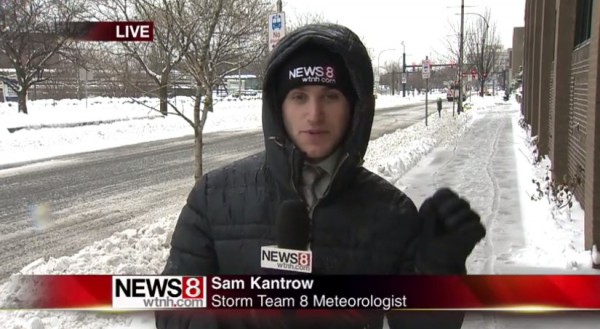
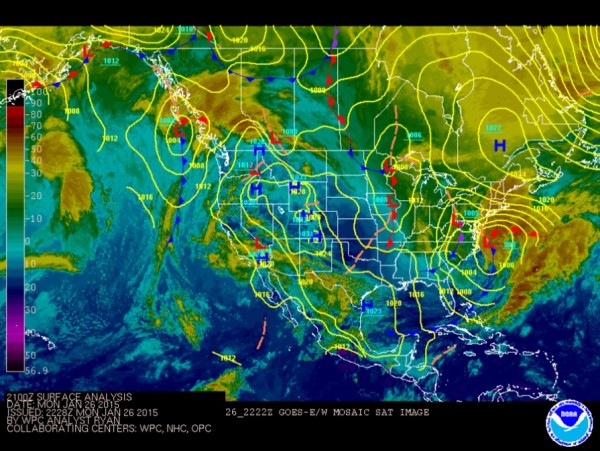 . Students in the bachelor's program earn credits while performing TV/radio weathercasts or doing real-time forecasting for clients in the university's on-campus Weather Center, according to the WCSU website.