CT Per Student Spending in Public Higher Education Saw 7th Largest Drop in Nation During Past Decade
/The burden has shifted and grown during the past decade for students attending Connecticut’s public two- and four-year institutions of higher education.
Between 2008 and 2018, average tuition at public colleges and universities (adjusted for inflation) grew by 38.4 percent in Connecticut, according to a new national analysis by the Center on Budget and Policy Priorities. The study found that average tuition increased by $3,437 during the decade – 13th largest average increase among the states - as state spending per student dropped by $3,203.
That is the 7th largest average drop in state per student spending in the nation, and the largest among the New England states. The next largest state reduction in the region was in New Hampshire, ranking 24th. Massachusetts ranked 28th, reducing state spending per student by $1,295.
Tuition climbed as state spending per student dropped by 20.2 percent at Connecticut’s public higher education institutions - the 20th largest percentage decrease among the states.
Connecticut is not alone.
 Overall state funding for public two- and four-year colleges in the school year ending in 2018 was more than $7 billion below its 2008 level, after adjusting for inflation, according to the study.
Of the 49 states (all except Illinois) analyzed over the full 2008-2018 period:
- 45 spent less per student in the 2018 school year than in 2008. The only states spending more than in 2008 were California, Hawaii, North Dakota, and Wyoming.
- States cut funding deeply after the recession hit. The average state spent $1,502, or 16 percent, less per student in 2018 than in 2008.
- Per-student funding in nine states — Alabama, Arizona, Louisiana, Mississippi, Missouri, New Mexico, Oklahoma, Pennsylvania, and South Carolina — fell by more than 30 percent over this period.
The report also found that annual published tuition at four-year public colleges has risen by $2,651, or 36 percent, since the 2008 school year. In Louisiana, published tuition at four-year schools has doubled, while in six other states — Alabama, Arizona, California, Colorado, Georgia, and Hawaii — published tuition is up more than 60 percent.
“These sharp tuition increases have accelerated longer-term trends of college becoming less affordable and costs shifting from states to students,” the report, “Unkept Promises: State Cuts to Higher Education Threaten Access and Equity,” stated.
The largest tuition increases, comparing public, four-year colleges in 2008 and 2018, were in Arizona, Louisiana, Hawaii, New Hampshire, Virginia, Colorado, Alabama, California, Rhode Island, Vermont, Georgia, Tennessee, Connecticut and Massachusetts. Connecticut was fourth highest among the six New England states. Maine had the smallest tuition increase.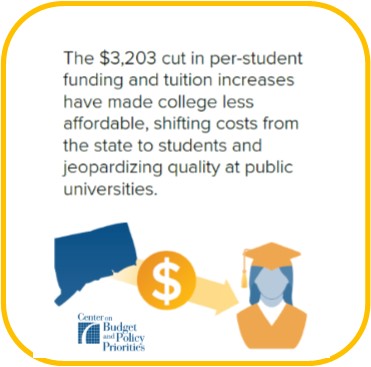
Indications are that the trend has slowed during the past year. Published tuition — the “sticker price” — at public four-year institutions rose by less than 1 percent nationally between the 2017 and 2018 school years, the report indicated. Rhode Island increased average tuition across its four-year institutions on a dollar basis more than any other state, by $559, or roughly 4.8 percent. Connecticut - along with Iowa, Mississippi, Montana, and Oregon - raised average tuition by more than $300, according to data compiled for the report, published last month.
The Center on Budget and Policy Priorities is a nonpartisan research and policy institute which pursues federal and state policies designed both to reduce poverty and inequality and to restore fiscal responsibility in equitable and effective ways, according to the organization’s website. The Center is based in Washington, D.C.

 The University of Saint Joseph (USJ)


 “Girl Scouts is one of our nation’s most powerful leadership training grounds for young women,” said Openshaw. “We’re thrilled to support Girl Scouts as it seeks to modernize and remain relevant for young women in the new global economy.”
 t have increased as much in comparison to other states, but isn’t the real question, ‘Why is it increasing at all?’” Luis Perez, president and CEO of
 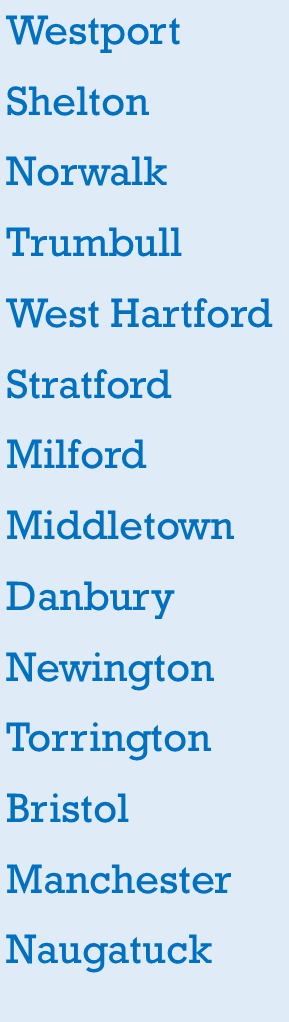 The analysis, by the financial services website WalletHub, was based on 40 key indicators of livability, ranging from housing costs to school-system quality to restaurants per capita. The indicators were grouped into five categories – affordability, economic health, education & health, safety, and quality of life.
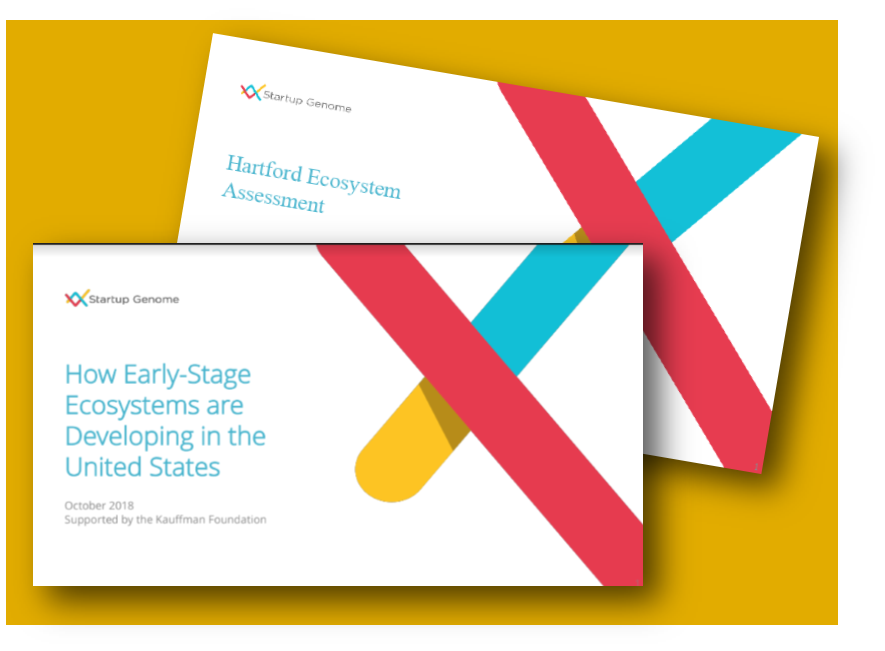

 The comprehensive assessment of Hartford’s ecosystem also noted that “Hartford’s [startup] founders claim to have the right ambition to go global,” concluding that “Hartford’s startups have more potential to strengthen Global Market Reach and Global Connectedness.” In a number of areas analyzed in the assessment, Hartford is seen as having potential to strengthen the local startup community, its reach beyond Hartford, and the demographic of startup teams.
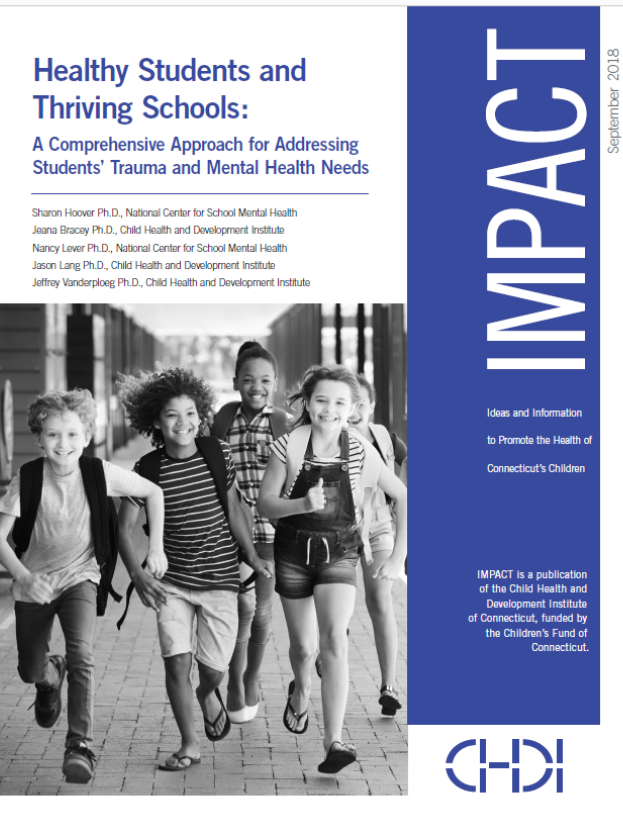 The 40-page report, developed by The Child Health and Development Institute of Connecticut (CHDI), a subsidiary of the Children’s Fund of Connecticut, in partnership with the national Center for School Mental Health at the University of Maryland, provides a framework for policymakers and school districts interested in improving outcomes by addressing the mental health and trauma needs of students. The report indicates that “in a typical classroom of 25 students, approximately five will meet criteria for a mental health disorder but most of them are not receiving appropriate mental health treatment or support. Among those who do access care, approximately 70 percent receive services through their schools.”
 “Approaching student mental health with a comprehensive lens that integrates health promotion, prevention, early intervention, and more intensive treatments leads to better school, student and community outcomes," said Dr. Sharon Hoover, Co-Director of the Center for School Mental Health at the University of Maryland and lead author of the report.

 The
The