CT Ranks 35th in Economic Clout of Women-Owned Businesses
/Connecticut ranks 35th in the economic clout of women-owned businesses over the past 18 years, according to a newly released analysis. Women now run more than 9.4 million businesses in the United States, 30 percent of the nation’s businesses, with just over 100,000 of them in Connecticut
Between 1997 and 2014, the number of women owned businesses in Connecticut grew by 42.1 percent, ranking the state 43rd in the nation. Total revenue growth of 80.2 percent ranked Connecticut 28th, and employment growth of 20.9 percent among women owned business placed the state 22nd among the 50 states. 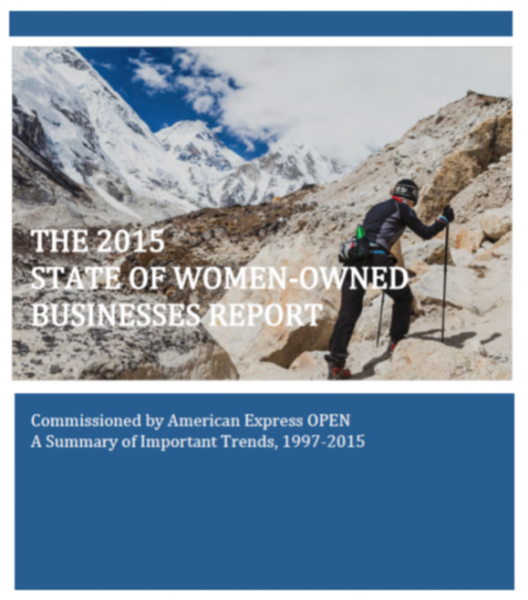
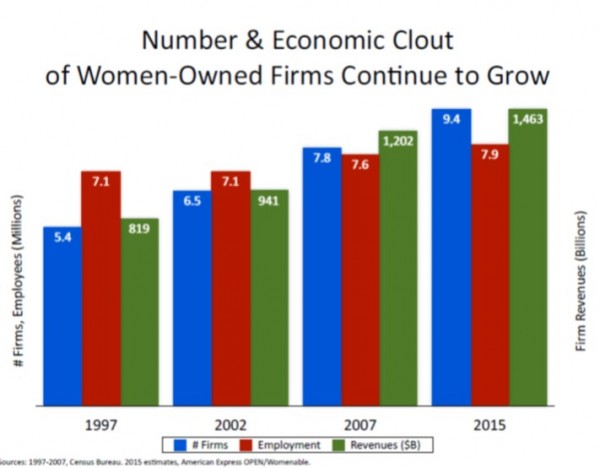
Nationwide, the number of women-owned firms grew from 5.4 million in 1997 to an estimated 9.4 million this year, an increase of 73 percent over the nearly two decades. Employment in those businesses grew by 12 percent and sales by 78 percent, nationally. The number of women-owned firms is increasing at a rate 1.5 times the national average.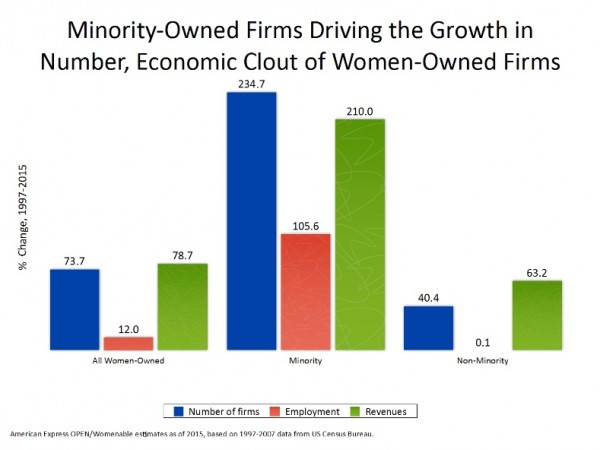
In Connecticut, the number of businesses owned by women climbed from 72,393 in 1997 to 102.900 by this year. Employment increased from 78,598 to an estimated 95,000, and sales grew from just over $9 million to nearly $17 million.
The industries with the highest concentration of women-owned firms nationally are healthcare and social assistance (53 percent of firms in this sector are women-owned, compared to a 30 percent share overall), educational services (45 percent), other services (42 percent), and administrative support and waste management services (37 percent).
The states with the fastest growth in the number of women-owned firms during the 18 year period are Georgia, Texas, North Carolina, North Dakota and New York. The slowest growth has taken place in Alaska, West Virginia, Iowa, Kansas and Maine.
Since 1997, the number of female-run businesses has grown by 74 percent, well above the national growth rate of 51 percent for all firms. In 2014, women opened the doors of 887 new businesses every day, on average, up from 602 in 2011.
Women of color contributed to more than half of that growth last year, opening on average nearly 500 businesses daily, according to the new 2015 State of Women-Owned Businesses Report, prepared with U.S. Census data by Womenable, a research organization supporting women's entrepreneurship, and commissioned by American Express OPEN.
 Of the nation’s women-owned businesses, African-American women own 1.3 million, Latinas 1 million, and Asian women more than 700,000. Businesses owned by women of color tend to be smaller in terms of their average employment and revenue, the report indicated. But their growth, both in numbers and in their economic clout—the combined average of their growth, revenue, and employment—continues to outpace that of their white peers, the data indicates.
“Back in 1997, there were just under one million firms owned by non-Caucasian women, representing one in six (17 percent) women-owned firms. N ow, there are an estimated 3.1 million minority women-owned firms, representing one in three (33 percent) women-owned firms,” pointed out Julie Weeks, President and CEO of Womenable. “The growing diversity of women-owned firms is one of the most remarkable trends of the past decade.”


 Fixed route transportation operates along a prescribed route and on a fixed schedule, and includes buses and light rail. In 2014 in Connecticut, buses provided over 43 million passenger trips and rail provided over 39 million passenger trips. Demand-responsive transportation provides routes and scheduling more individually tailored to the needs of the user. The Americans with Disabilities Act (ADA) requires transit agencies to provide paratransit service, subject to certain parameters, to people with disabilities who cannot use the fixed route services. Paratransit ridership in Connecticut in fiscal year 2014 under the ADA totaled over one million rides, and dial-a-ride ridership neared 100,000 rides.
 ommunities are located within a reasonable distance of quality, dependable public transportation.” In addition, policy makers were urged to “identify funding streams to sustain, coordinate, grow and make more convenient both fixed route and demand-responsive transportation options (including providing door-to-door service), and provide technical assistance to support regionalization efforts.”
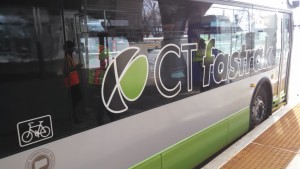 For the first time in the history of the awards program, a state agency was also selected to receive an award. The CT Department of Transportation received a special award for Starting a Revolution: Integration of Land Use and Transit in recognition of the progressive nature of CTfastrak, the bus rapid transit system opened earlier this year. The awards jury that selected the winners gave the award because they felt the new busway represents a cultural shift in how Connecticut views transit, and wanted to acknowledge the future promise of transit oriented development that will hopefully result around the station locations.



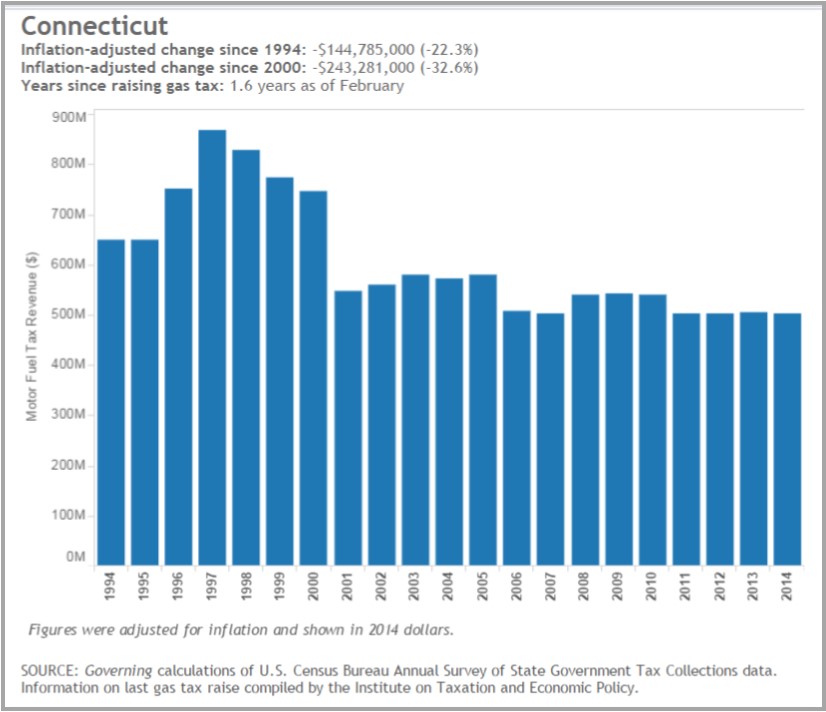 In Connecticut, the inflation-adjusted change is a reduction of in the value of the dollars provided by the tax of 32.6 percent since 2000 and 22.3 percent since 1994, according to the Governing analysis, using data from the U.S. Census Bureau and the Institute on Taxation and Economic Policy. Earlier this year, Governor Malloy announced a two-part transportation plan consisting of a


 tently and robustly in research.” Describing Connecticut as “the home of innovation in engineering,” Esty said that engineers provide “the inspiration to solve the world’s problems.”
 Among the faculty award recipients was Dr. Alfred A. Gates, Professor of Engineering at Central Connecticut State University, whose two decades at the university have been a steady stream of technical innovation and teaching. Gates noted that CCSU has just become the first university in the United States to receive a

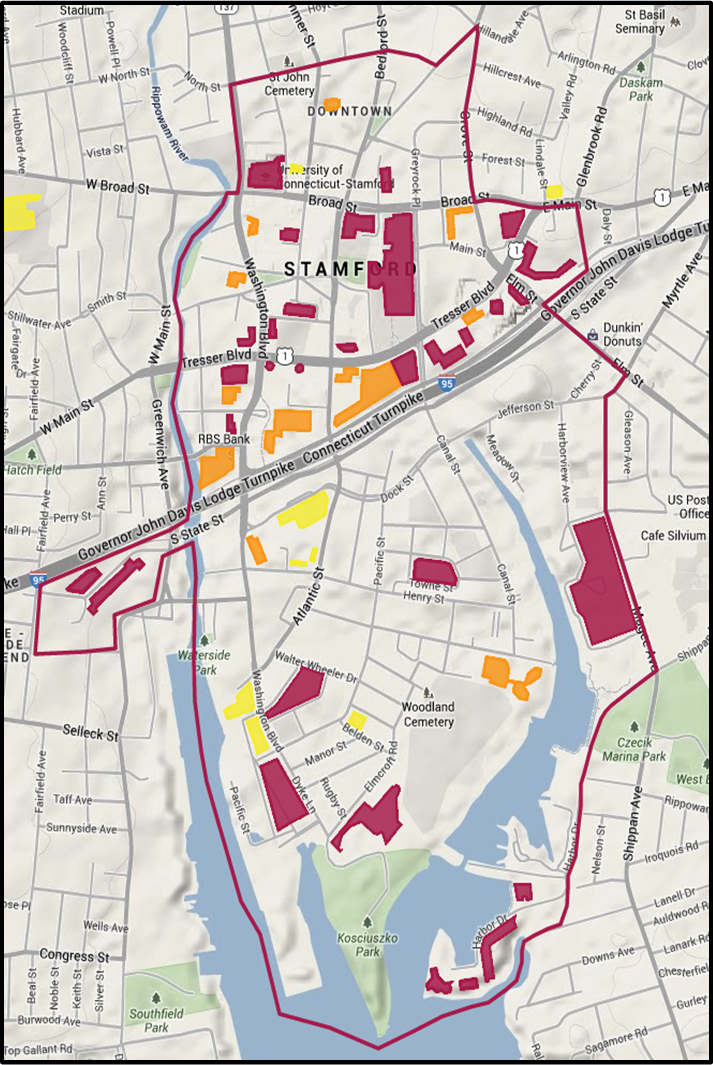 “These collective efforts will establish the Stamford 2030 District as an example of a financially viable, sustainability focused, multi-sector driven effort that maximizes profitability and prosperity for all involved. Through collaboration of diverse stakeholders, leveraging existing and developing new incentives and financing mechanisms, and creating and sharing joint resources, the Stamford 2030 District will prove the business case for healthy and high performing buildings.”
 rt this new chapter,” said co-founder and CEO Kate Pipa, who lives in Shelton. “And we are excited to bring kids a new box each month of hands-on fun that also doubles as a learning opportunity and is making social impact for the kids and for our partner organizations.”
 Rounding out the top 10 are Rhode Island (the state’s first time in top five), Oregon, and Vermont (all tied for #3); Connecticut (#6); New York (#7); Washington (#8); Maryland (#9); and Minnesota (#10).
 s, State, and Local Policy program, said: “Smart energy efficiency choices maintain the same comfort, convenience, and quality of life that consumers want and expect. Energy efficiency is also good for business. State action on energy efficiency improves bottom lines, drives investment across all sectors of the economy, creates jobs, and offsets the environmental harms created by the energy production system.”
 ss are Torrington, Danbury, West Hartford, Cheshire, Guilford, Greenwich, Plainville, Middlebury, New London, Killingly, Middletown, Fairfield, Madison, Branford, Farmington, Glastonbury, Windsor, Orange and East Hartford.