

Innovative Efforts Receive Spotlight at Inaugural Ceremony Highlighting Energy Efficiency, Conservation
/The Stamford 2030 District’s inaugural Change Makers Awards were presented this month, honoring projects and organizations excelling in four distinct areas: innovation in energy, water, transportation and sustainable technology. The awards ceremony captured some of the most innovative local project involving energy efficiency improvements, water retention methods and the promotion of safe multi-modal transportation. The award winners were:
- 400 Atlantic St. (The Landis Group) for Innovation in Energy;
- The Mill River Park and Greenway (Mill River Park Collaborative) for Innovation in Water;
- The Sharrow Network (city of Stamford and People Friendly Stamford) for Innovation in Transportation;
- Living Wall Project (JM Wright Technical School) for Innovation in Sustainability; and an honorable mention to 9 W. Broad St. Property LLC (Forstone) for its work with the C-PACE program.
The Stamford 2030 District is a collaborative, nationally recognized, but local community of high performance buildings in downtown Stamford that aims to dramatically reduce energy and water consumption and reduce emissions from transportation, while increasing competitiveness in the business environment and owners' returns on investment.
”We launched this program in October last year and it’s been amazing to see the commitment from the local community to start implementing changes," said Megan Saunders, Stamford 2030 executive director. "We went from zero to 34 members and have benchmarked six million square feet of their buildings. I’m excited to see what we’re able to collectively accomplish in the next year.”
The awards reception featured a keynote address by Brian Geller, founder of the first 2030 District and currently senior vice president, corporate sustainability, Citibank. The evening also featured a tribute to the Stamford 2030 District’s first year of accomplishments and a sneak peek at next year’s plans. Stamford 2030 is a collaboration between Connecticut Fund for the Environment, the Business Council of Fairfield County and a coalition of professional and community organizations.
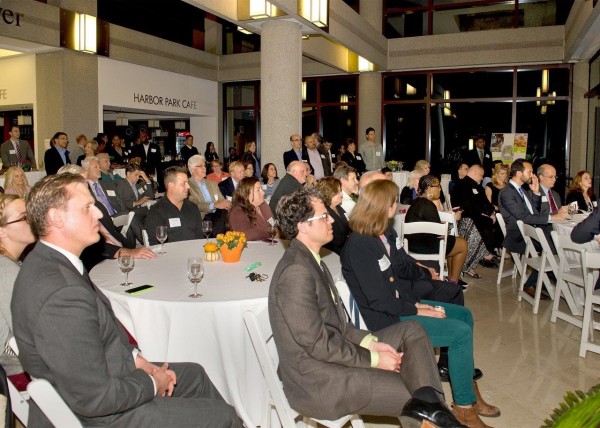 “I would like to congratulate all of the members of Stamford 2030 for joining together to make vital changes for our community," said Stamford Mayor David Martin. "The partners in Stamford 2030 have really stepped up for the success and sustainability of our city and the surrounding area. And they are not alone. For our part, the city is committed to improving storm resiliency and moving forward with the Energy Improvement District. We believe these efforts are tied to our economic development and ability to attract people to Stamford while conserving important natural resources, all necessary for sustained growth and prosperity.”
The Stamford 2030 District is an interdisciplinary public-private-nonprofit collaborative working to create a groundbreaking high performance building district in downtown Stamford. With the Architecture 2030 Challenge providing property performance targets, the Stamford 2030 District seeks to prove that high performing buildings are the most profitable buildings in Stamford. District Members will do this by developing realistic, measurable, and innovative strategies to assist district property owners, managers, and tenants in meeting aggressive goals that keep properties and businesses competitive while operating buildings more efficiently, reducing costs, and reducing the environmental impacts of facility construction, operation, and maintenance.
2030 Districts are also operating in the cities of Seattle, Cleveland, Pittsburgh, Los Angeles, Denver, San Antonio, San Francisco, Dallas, Toronto and Albuquerque.
https://youtu.be/mRMr88y8TMI
https://youtu.be/9s9yyI1_zdg





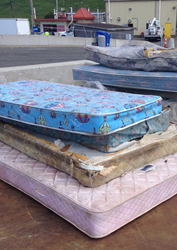


 A similar statewide mattress recycling program was adopted by the Rhode Island legislature in 2013 and is due to launch in 2016. To participate,


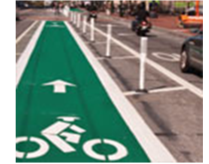 Later this month, Bike Walk CT is offering the League of American Bicyclist-designed Traffic Skills 101 program, a comprehensive day long course to give cyclists the skills, knowledge and confidence to handle on-road cycling.

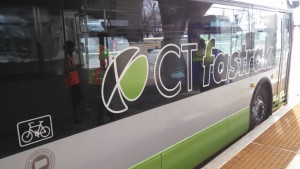 For the first time in the history of the awards program, a state agency was also selected to receive an award. The CT Department of Transportation received a special award for Starting a Revolution: Integration of Land Use and Transit in recognition of the progressive nature of CTfastrak, the bus rapid transit system opened earlier this year. The awards jury that selected the winners gave the award because they felt the new busway represents a cultural shift in how Connecticut views transit, and wanted to acknowledge the future promise of transit oriented development that will hopefully result around the station locations.
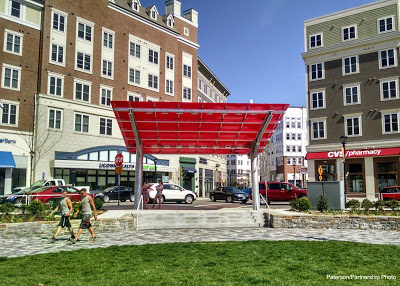


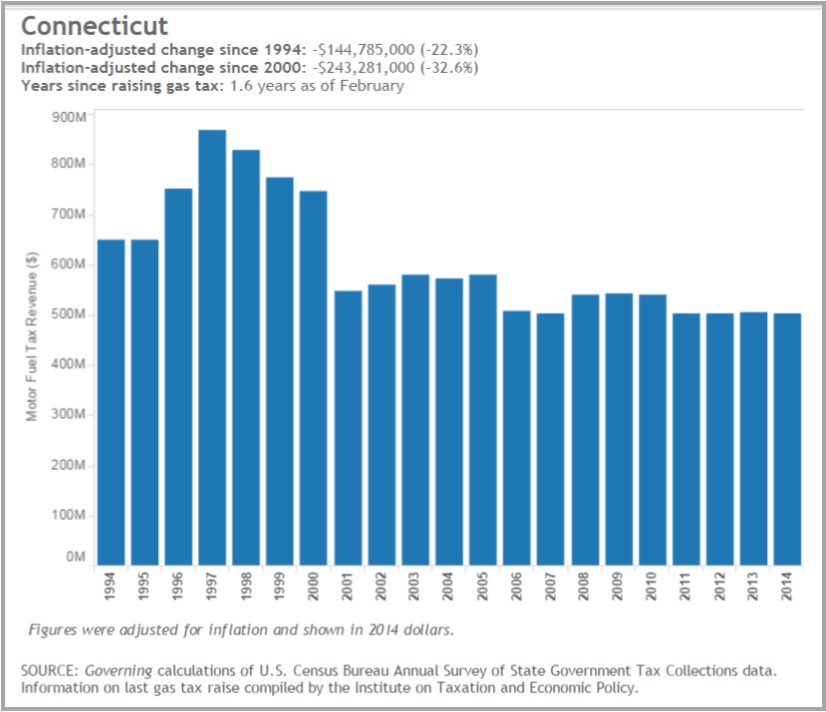 In Connecticut, the inflation-adjusted change is a reduction of in the value of the dollars provided by the tax of 32.6 percent since 2000 and 22.3 percent since 1994, according to the Governing analysis, using data from the U.S. Census Bureau and the Institute on Taxation and Economic Policy. Earlier this year, Governor Malloy announced a two-part transportation plan consisting of a

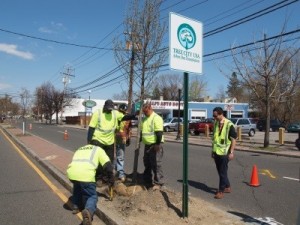 The Arbor Day Foundation also has a campus program, designating colleges and universities as a Tree Campus USA. The University of Connecticut is the only college in Connecticut to earn the designation.



 motorized transportation networks and safety. Communities that routinely collect walking and biking data, they point out, are better positioned to track trends and prioritize investments.




















