Postpartum Psychosis More Prevalent Than Most Realize
/Listeners to the National Public Radio program “On Point” this week heard a Connecticut resident discussing the progress being made on a one-on-one basis, as well as through international efforts, to respond to the prevalence of postpartum psychosis.
Teresa Twomey of Cheshire is co-coordinator in Connecticut for Postpartum Support International (PSI) the leading organization dedicated to helping women who experience perinatal mood disorders, working to increase awareness among public and professional communities.
Approximately 15 percent of all women (1 in 8) will experience postpartum depression following the birth of a child, according to the nonprofit organization. Up to 10 percent will experience depression or anxiety during pregnancy. When the mental health of the mother is compromised, PSI explains, it affects the entire family.
A woman with postpartum depression might experience feelings of anger, sadness, irritability, guilt, lack of interest in the baby, changes in eating and sleeping habits, trouble concentrating, thoughts of hopelessness and sometimes even thoughts of harming the baby or herself.
In a TEDx talk in Hartford a year ago, Twomey described her own postpartum psychosis, which was both unexpected and severe. While initially reluctant to discuss her circumstances publically, the well-publicized deaths of children in the U.S. at the hands of their mothers while suffering from postpartum psychosis prompted her to action. 
Based on her personal experiences, Twomey is the author of “Understanding Postpartum Psychosis: A Temporary Madness.” In an interview with FOX Connecticut when the book was published five years ago, she said "while most women who suffer postpartum psychosis eventually recover without harming anyone, they most often do so in silence.” Paranoia is a common symptom, explained Twomey, and “that moves women to hide their symptoms from everyone around them. The woman can hence appear normal, but be putting both herself and her baby at risk. We can prevent and treat this, but we need to recognize it by better screening of women postpartum."
While many women experience some mild mood changes during or after the birth of a child, 15 to 20 percent of women experience more significant symptoms of depression or anxiety, according to the PSI website. Women of every culture, age, income level and race can develop perinatal mood and anxiety disorders. Symptoms can appear any time during pregnancy and the first 12 months after childbirth.
PSI stresses that there are effective and well-researched treatment options to help advance recovery. Every perinatal mood disorder, no matter how strong the symptoms are, is temporary and treatable, PSI points o ut.
ut.
PSI Coordinators are volunteers who offer caring and informed support and resources to moms and their families. They also provide information and resources for area providers who are caring for pregnant and postpartum families. In Connecticut, the volunteer organization has support groups based in Middletown, New Britain and West Hartford. Support services provided are free of charge.
The organization states that there is no one cause for perinatal mood and anxiety disorders. Women who develop depression or anxiety around childbearing have symptoms that are caused by a combination of psychological, social, and biological stressors, and there does not need to be a family history of depression. “Developing a perinatal mood and anxiety disorder is not your fault,” the website emphasizes. “You did not do anything to ‘get’ this.”
PSI headquarters is located in Portland, Oregon and has members all over the world, including volunteer coordinators in every one of the United States and in more than 36 other countries. PSI disseminates information and resources through its volunteer coordinators, website and annual conference. Its goal is to provide current information, resources, education, and to advocate for further research and legislation to support perinatal mental health.
Twomey said that postpartum psychosis should be treated as a public health issue, so that greater attention could be focused on prevention. Although retelling and reliving her story is difficult, she does so because “if this helps one family, saves one life, it is worth it.”
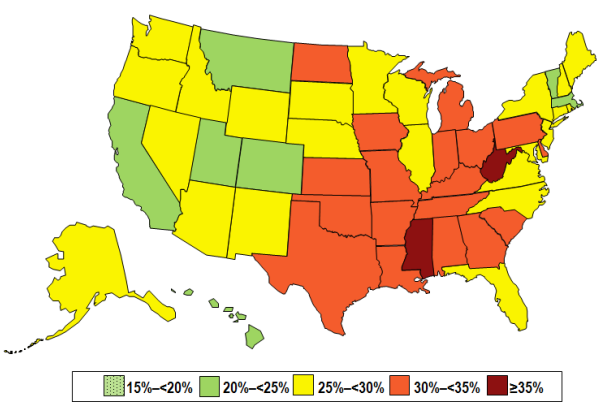 lts and 12 million children are obese—figures many regard as an epidemic. Adults are considered obese when they are about 35 pounds overweight.



 ss are Torrington, Danbury, West Hartford, Cheshire, Guilford, Greenwich, Plainville, Middlebury, New London, Killingly, Middletown, Fairfield, Madison, Branford, Farmington, Glastonbury, Windsor, Orange and East Hartford.


 ber 1, 2013, to March 31, 2014, the federal government was the major funder of in-person assistance, providing over $2.5 million in funding to the program. The reported noted that “This level of funding is no longer available, yet, the need for assistance, both for the upcoming open enrollment period (November 15, 2014, to February 15, 2015) and beyond, is great.” Plans for continuing in-person assistance, offered at store-front facilities, are under consideration according to
 r recent study found that nursing homes under private equity ownership are cited for more deficiencies and have fewer registered nurses on staff than other for-profit facilities.
 The “number of students with non-English home language” according to data on the website of the
 tudents.
 h school students - participants in week-long journalism workshops at UConn, Quinnipiac and Yale universities led by C-HIT - have been producing news stories that target issues facing a demographic they are not only familiar with, but, in most cases, part of. The students are learning research methods intrinsic to journalism and the results of their work have been eye-opening. Some of the highlights:
 Of the young people who reported cyber bullying incidents against them, one in three reported that they experienced threats online. Well over half of young people do not tell their parents when cyber-bullying occurs, the website says. Surveys show that girls are twice as likely as boys to be both victims and perpetrators of cyber bullying.
 ht) Mackenzie Brayman, a student at North Stonington High School; Julyanna Schreider and Shamoya Hanson, students at the Journalism & Media Academy, Hartford; Talon Cooper, a student at Hillhouse High School, New Haven; and Conner Fritchley, a student at Wilton High School. Information included in this article was researched and developed by the students for their news stories.
 was
was